Understanding Lake Hamanako Unagi’s GI registration starts with distinguishing the lake’s name from information about eel farming. Here are the essentials and the distinctions that matter when reading a product description.
Start with the registered product
Lake Hamanako Unagi was registered as Japanese Geographical Indication (GI) No. 177 on July 10, 2026. MAFF lists Hamamatsu and Kosai, in Shizuoka Prefecture, as its production area and the Lake Hamanako Aquaculture Fisheries Cooperative as its registered producer group. Hamamatsu City also announced the registration that day. [1] [3]
Read the place name together with the product it identifies. Rather than relying on an image of the lake as a destination, ask where and how the eel is produced. The registration date marks the registration, not the beginning of eel production in the area.
A lake name does not mean wild-caught eel
The specification describes farming Japanese eel from juvenile glass eels under methods set by the cooperative. It identifies the final product as live eel. This registration should therefore not be read as a designation exclusively for wild eel caught in Lake Hamanako. [2]
Hamamatsu’s guide to the lake’s fisheries also lists wild eel. Fishing in the lake and aquaculture around it are separate parts of the same regional story. Their coexistence makes it especially important to check the description of an individual product rather than infer wild or farmed status from a place name. [4]
A restaurant’s location, the origin of its ingredients and the place where a product is processed are also distinct pieces of information. Eating an eel dish in Hamamatsu does not by itself establish that its eel corresponds to this registration. Look for information provided by the restaurant or seller.
A landscape shaped by water and farming knowledge
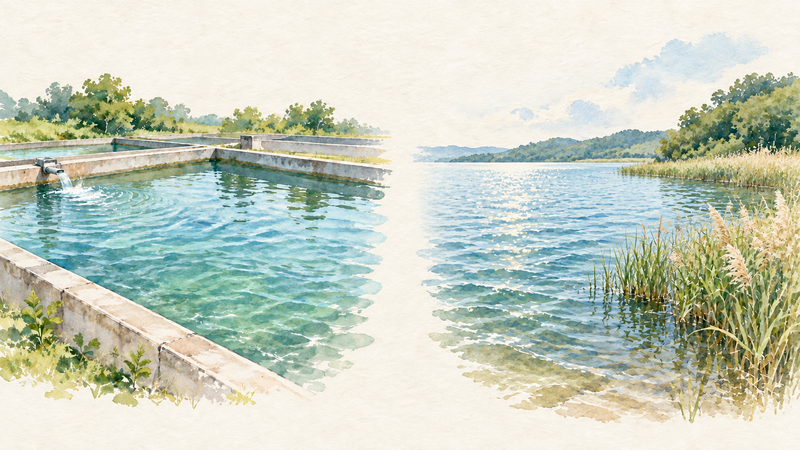
Lake Hamanako is a brackish lake connected to the sea. Hamamatsu’s account presents it as a habitat for a variety of fish and shellfish. To understand a product bearing its name, it helps to look beyond the lake surface to the surrounding land and use of water. [4]
MAFF connects the production area with a mild climate, groundwater and other water sources, and accumulated aquaculture expertise. Natural conditions alone do not bring an ingredient to the table: the work of raising eel is an important part of understanding the place. [1]
This offers a way to enjoy a regional brand without reducing it to a scenic name. A meal can extend what you notice while visiting the lake, shifting the conversation from restaurant rankings to the relationship between a place and its food production.
Separate origin information from preparation
The specification identifies live eel as the final product. It is not a recipe prescribing one sauce or grilling method for the kabayaki on your plate. Separating product origin from subsequent cooking makes it easier to understand what the name tells you. [2]
When shopping, check the origin and ingredient information alongside practical details: is the eel shirayaki or kabayaki, chilled or frozen, and how is the product intended to be served? These are reading tips for choosing a meal, not a procedure for deciding legal eligibility to use a GI name. Consult official guidance and the relevant authority about use of the designation.
You can also keep your own tasting impressions separate from the regional description. Noting both the ingredient’s origin and the restaurant’s preparation, such as the grilled aroma or intensity of the sauce, creates a more useful record for your next meal.
Common questions
When was it registered? MAFF gives July 10, 2026, with registration number 177. [1]
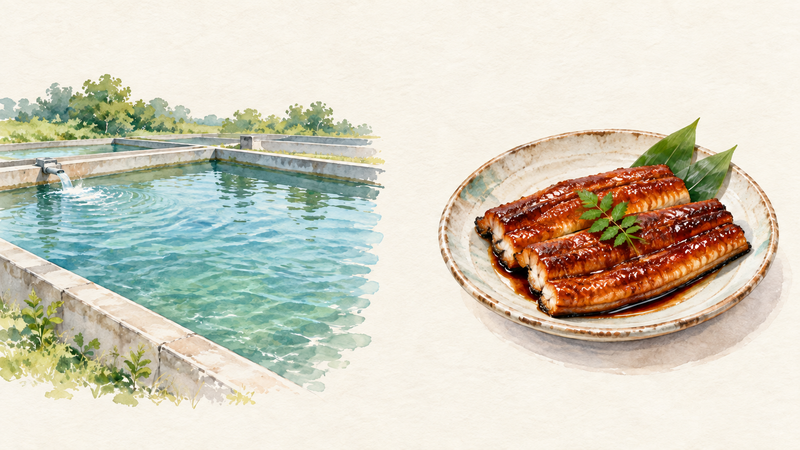
Does it mean wild eel caught in the lake? The specification sets out a farming method. Do not treat it as synonymous with wild capture in the lake. [2]
Does it prescribe a single kabayaki style? The final product in the specification is live eel. Check each seller or restaurant for the preparation and seasoning of the dish you will eat. [2]
Related articles