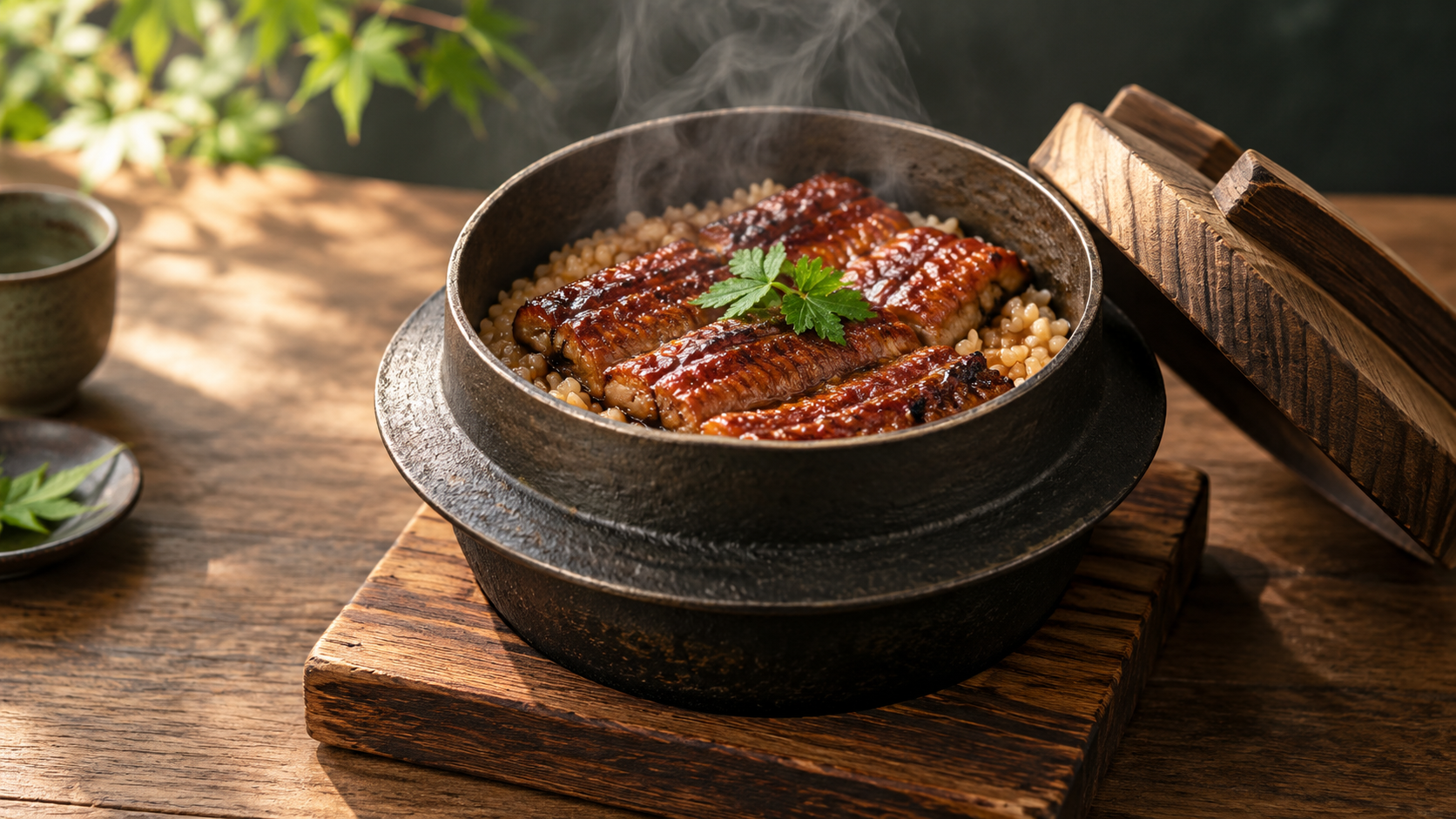
Smoked eel chawanmushi combines small pieces of smoked eel with a savoury egg-and-dashi mixture, then gently steams the mixture in individual cups. Unlike umaki, which wraps eel in an omelette, or a simmered egg-bound dish, this custard calls for separate attention to the egg mixture, the salt already present in smoked fish, steam intensity and doneness at the centre.
The quantities and cooking conditions below begin with the Japanese Ministry of Agriculture, Forestry and Fisheries (MAFF) published chawanmushi recipe. Its original filling contains chicken and shrimp, not smoked eel. The adaptation described here has not been trial-cooked as a verified smoked-eel recipe; product directions and actual doneness take precedence over copied times.
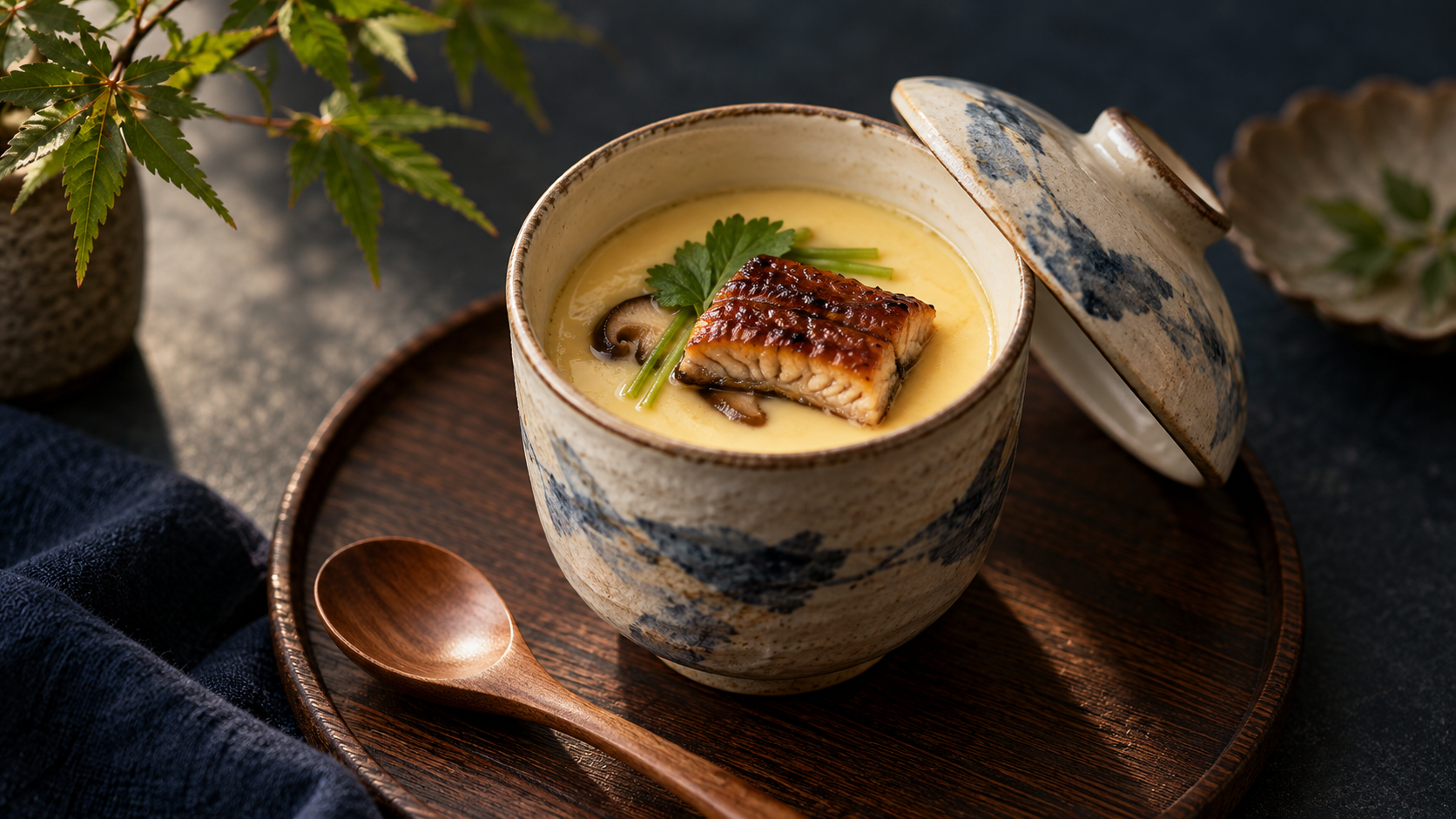
Hero illustration: AI-created depiction of the dish, not a photograph of a restaurant product.
Ingredients and vessels
1. How egg, dashi and smoked eel fit together
Chawanmushi starts by diluting beaten egg with savoury stock and allowing it to set gently. The table separates the precise published MAFF recipe from decisions necessary when substituting smoked eel. Usukuchi is a light-coloured soy sauce, not necessarily a low-salt sauce. A Japanese measuring teaspoon is 5 mL (Kikkoman's measuring conventions).
The government recipe specifies no weight of smoked eel. Smoked products vary in salt, moisture and fat, so there is no evidence-based gram amount transferable to every product. Keep the egg-to-stock baseline distinct from decisions about fish and seasoning.
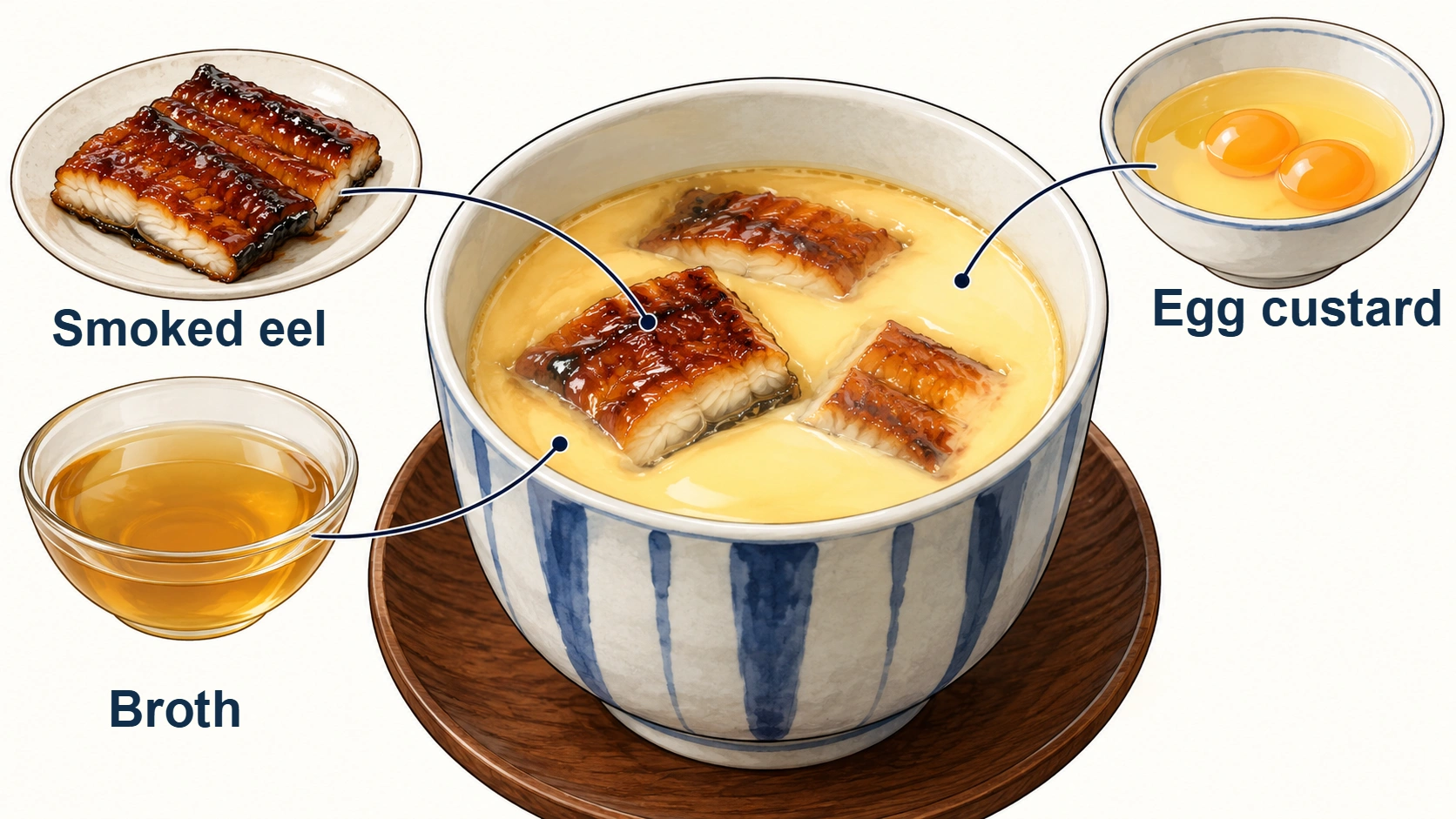
Diagram 01: conceptual finished cross-section. Mix dashi into the egg before steaming; do not pour it onto finished custard as the diagram might appear to suggest.
2. Choose a heat-safe cup and a suitable cover
Prepare small heat-safe cups, a steamer or deep frying pan, and a suitable pan lid. In MAFF's pan method, each cup is covered with aluminium foil. If using a ceramic cup lid instead, check that the materials and fit are suitable for steaming. A cover reduces condensation falling from the steamer lid into the mixture; it does not compensate for insufficient heat.
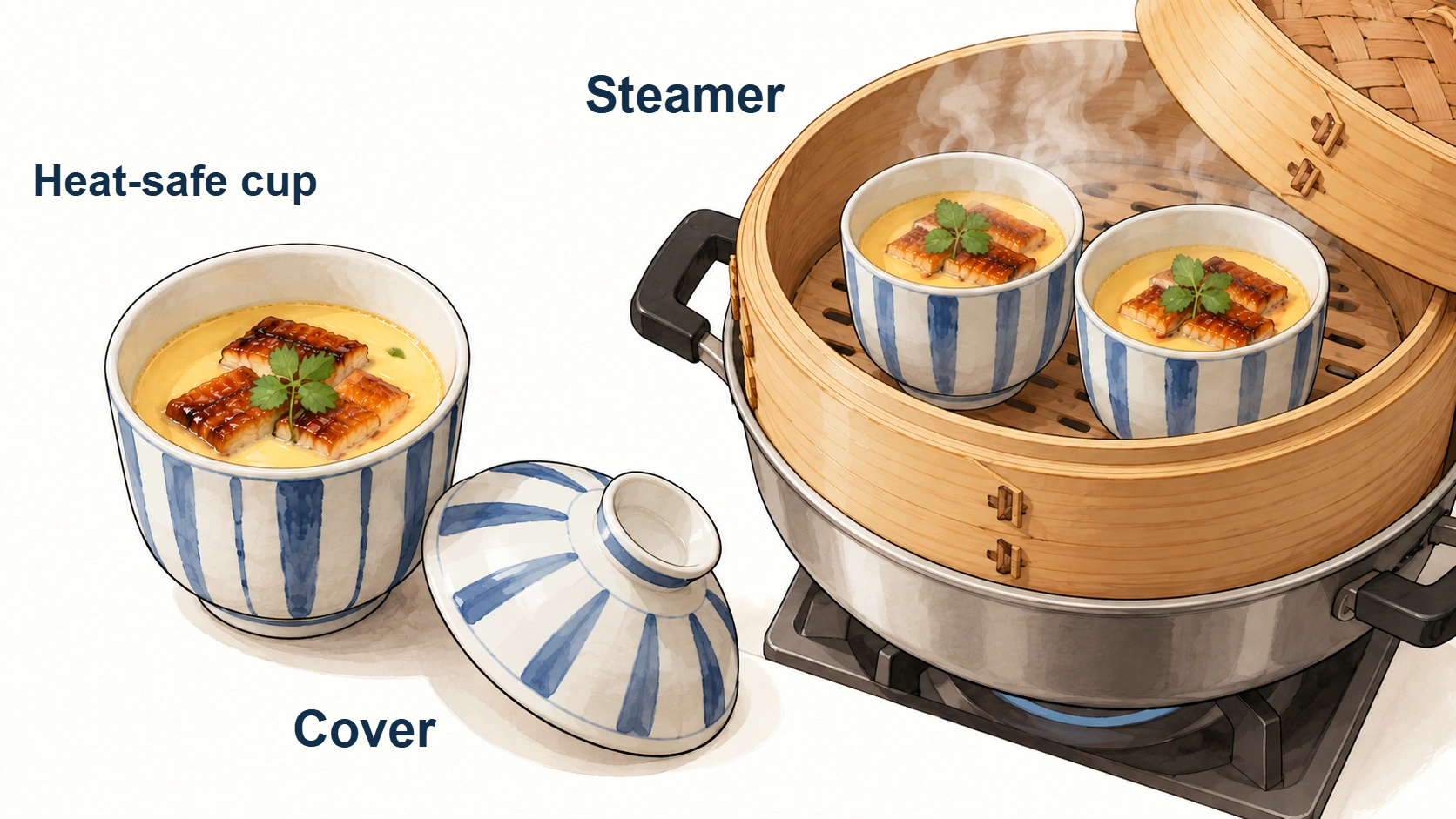
Diagram 02: relationship between cup, cover and steamer; verify the heat-safety of the actual equipment.
Egg mixture and fillings
3. Combine without creating excess foam
Loosen the egg gently and add cooled dashi a little at a time. Kikkoman's basic chawanmushi method likewise avoids whipping air into the egg. Before seasoning, inspect the smoked eel label for salt content and any sauce or glaze. Do not add MAFF's full soy-sauce allowance regardless of the product. Taste and adjust the stock before adding raw egg; never taste raw egg mixture.
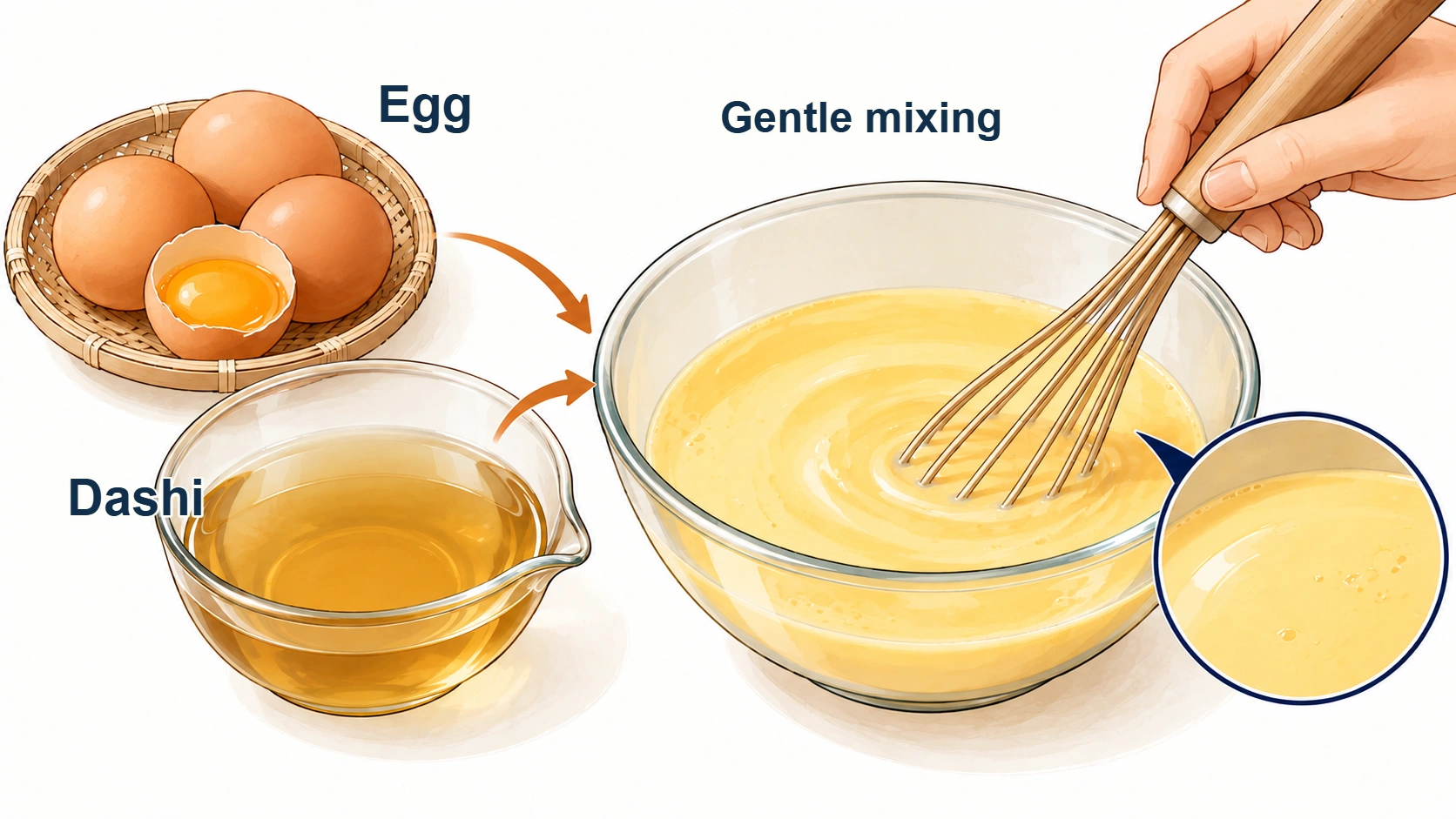
Diagram 03: stir to combine, not to whip.
4. Strain for an even texture
Pass the combined mixture through a fine sieve to remove strands of unmixed egg white and reduce larger bubbles. Skim remaining surface foam with a spoon. Both MAFF and Kikkoman include straining in their published methods. Straining improves preparation but does not cook or sanitise the mixture.
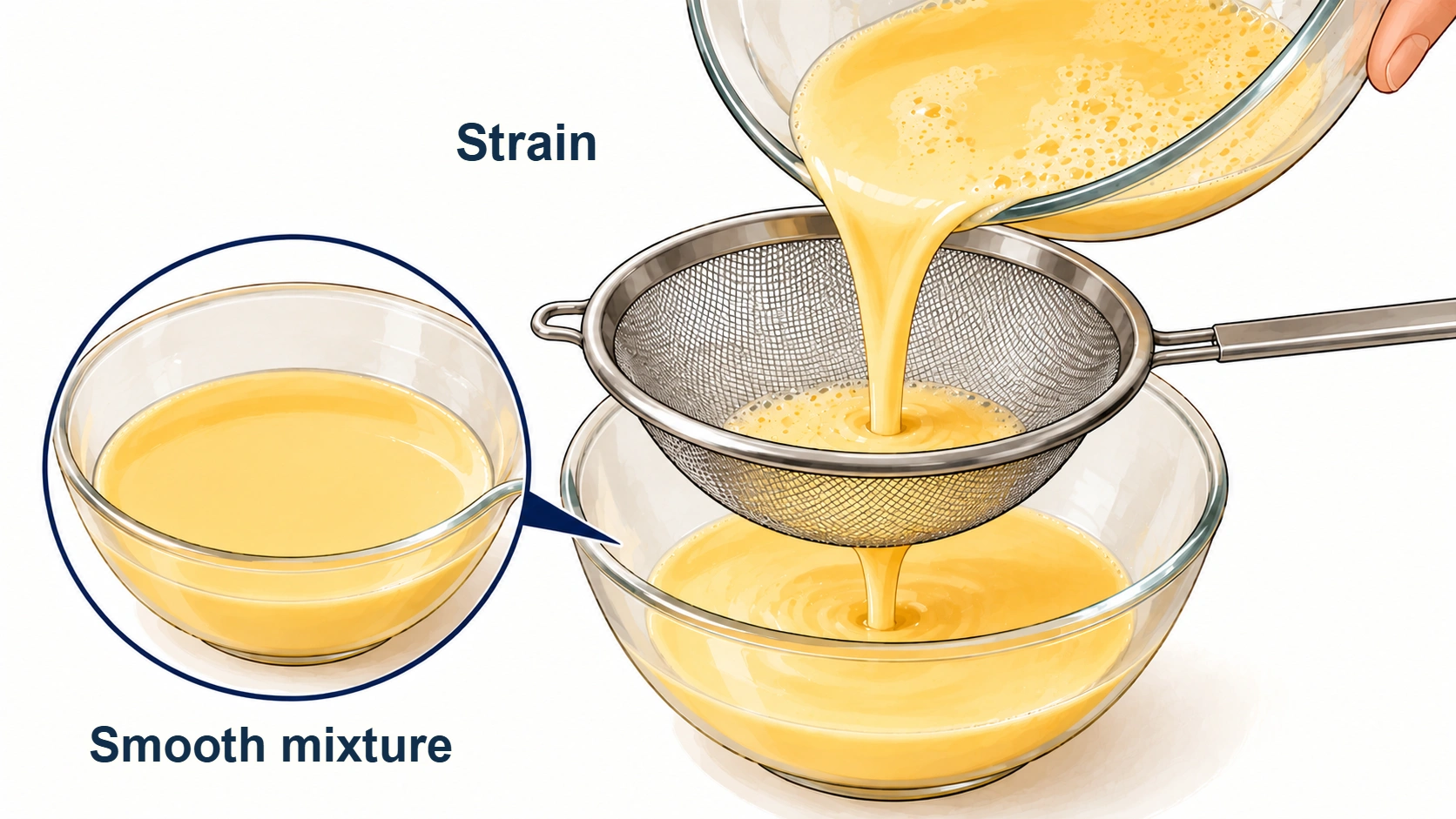
Diagram 04: the strained liquid collects in a bowl below.
5. Place the filling in the cup before pouring
Cut the smoked eel into modest, bite-size pieces, place them in each cup, then pour in the egg mixture slowly. If adding shiitake, leave enough room for the custard to surround the ingredients. “Smoked” does not automatically mean fully cooked or ready to eat. Read the product's instructions, storage requirements and use-by date. When cooking is required, follow the producer's heating instructions before including the eel; do not assume a custard steaming time is sufficient for raw fish. MAFF's guidance on raw-ready versus cook-before-eating seafood explains why intended use matters.
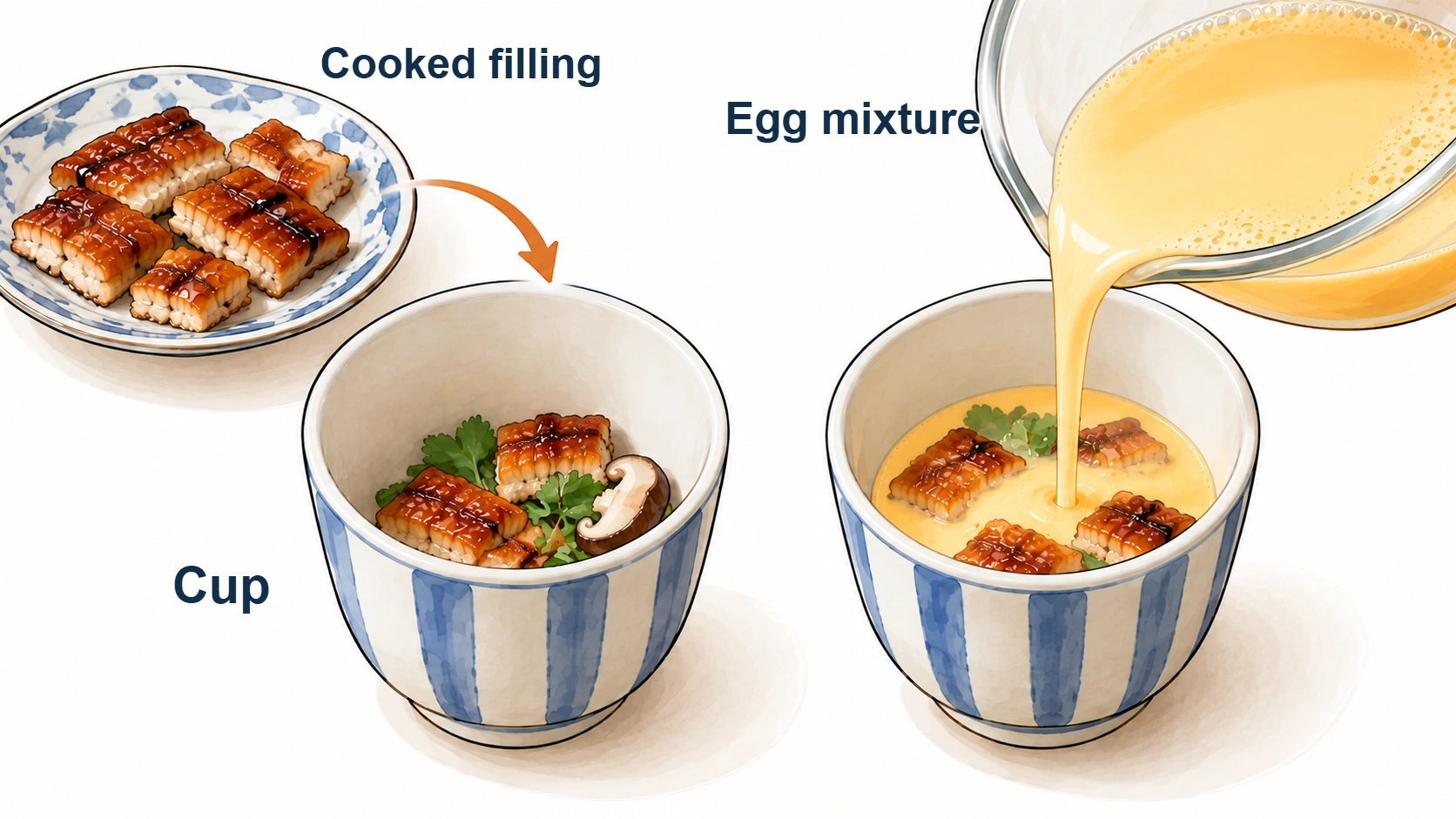
Diagram 05: suggested assembly sequence, not a measured portion size.
Steaming
6. Keep lid condensation out of the custard
A suitable cover, such as the aluminium foil used in MAFF's instructions, helps stop moisture on the steamer lid dripping directly into the egg. This is about the surface of the dish, not proof that the centre is fully cooked. Treat condensation control and food-safety checks as separate tasks.
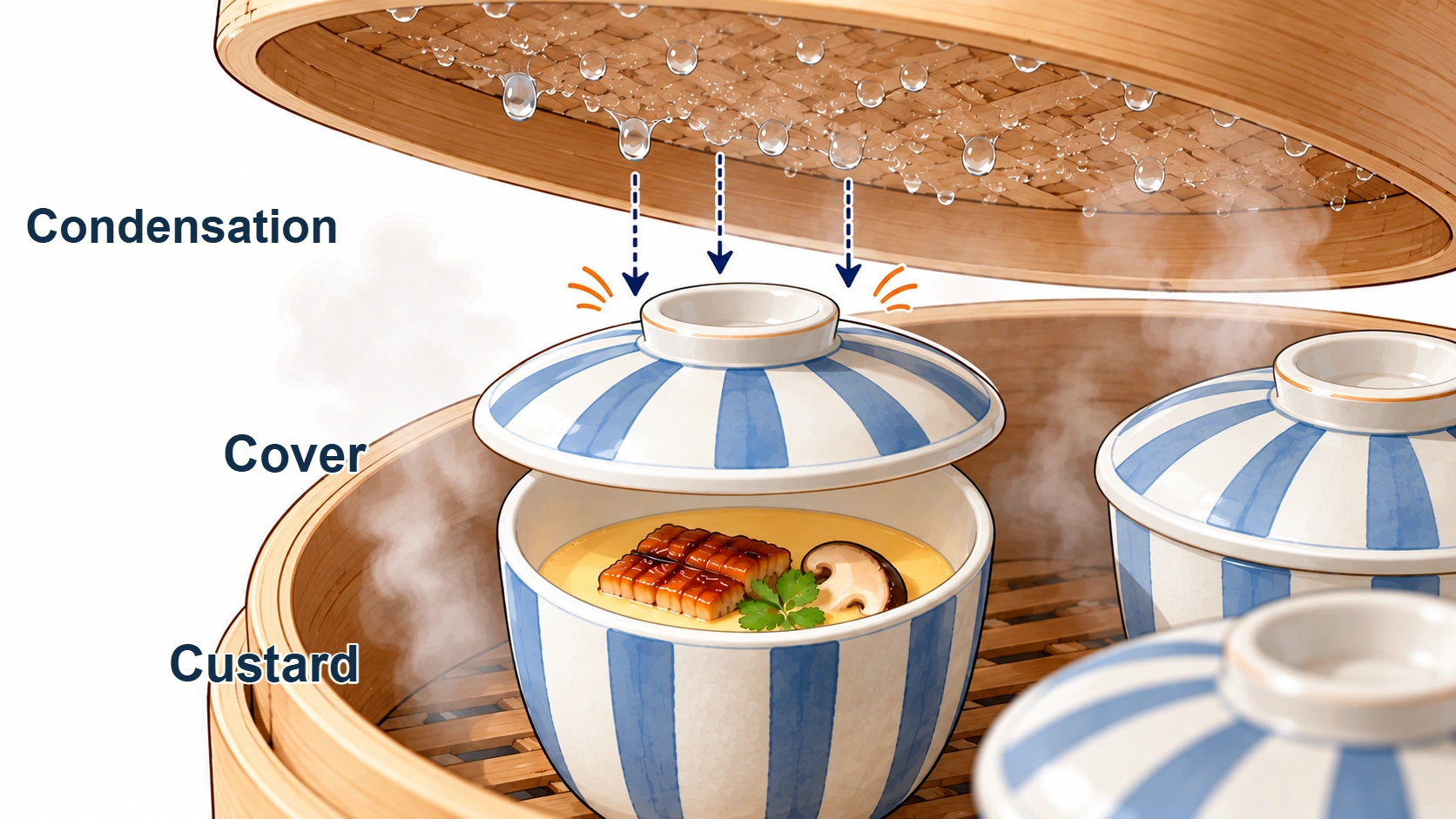
Diagram 06: explanatory illustration of how a cover limits dripping.
7. Change to gentle heat
MAFF's pan-based original places 2 sheets of kitchen paper on the bottom, adds water to one-third of the cup height, begins over medium heat and turns the heat low before the surrounding water boils, steaming for about 13 minutes. The original then adds shrimp and steams for about 3 additional minutes: that last period belongs to the shrimp step, not to smoked eel. A different cup, filling level or heat source changes the result. Thirteen minutes is not a universal safety guarantee.
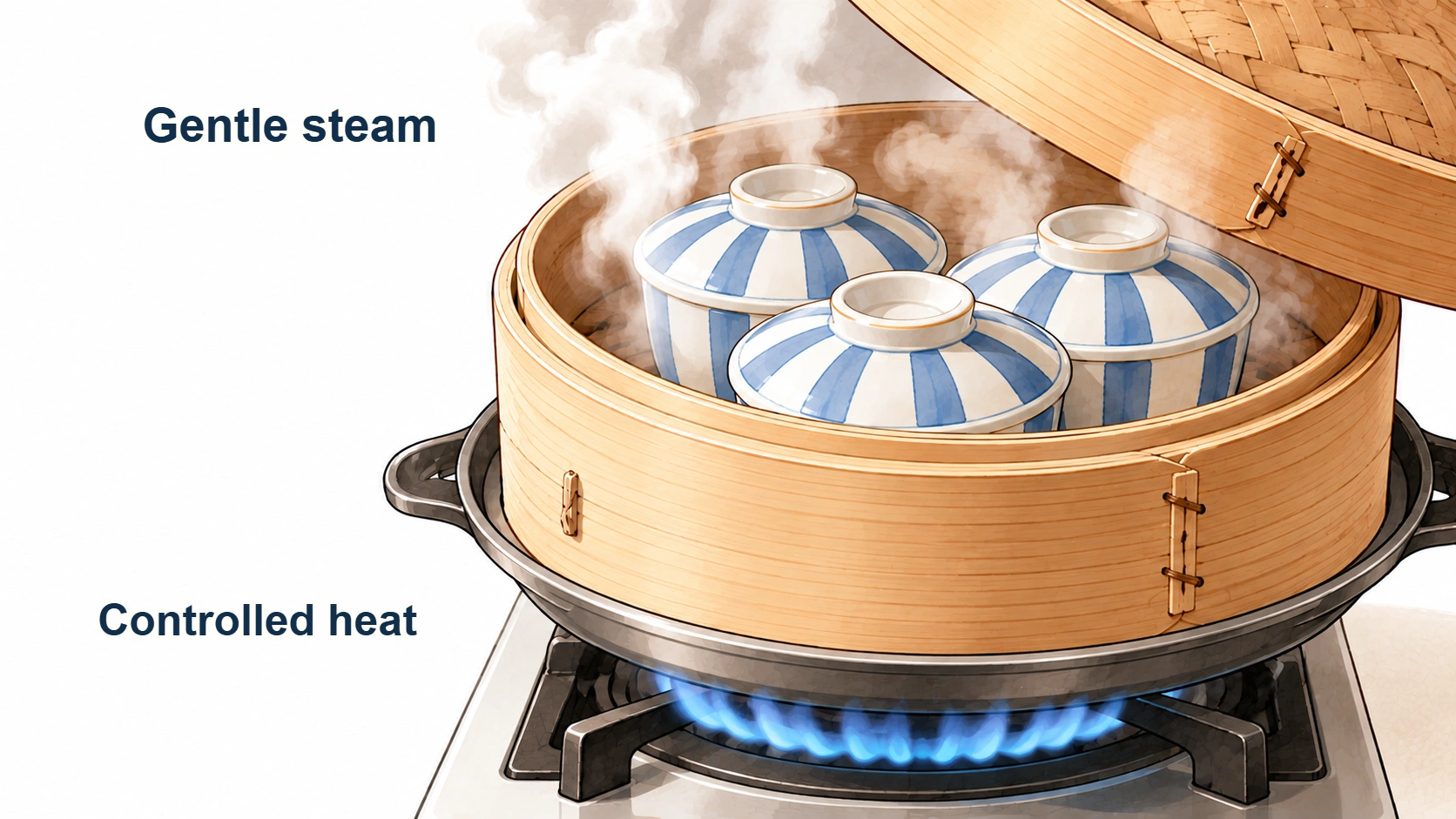
Diagram 07: a schematic of steam and heat control, not an instrument reading.
Assessing the result
8. Smooth surface versus a pitted surface
A uniform custard surface differs from one with small holes, called su in Japanese cooking. MAFF notes that strong direct heating in a frying pan can encourage this pitting. Surface texture may help you adjust heat, cup placement or remaining bubbles next time, but neither appearance establishes flavour quality or food safety.
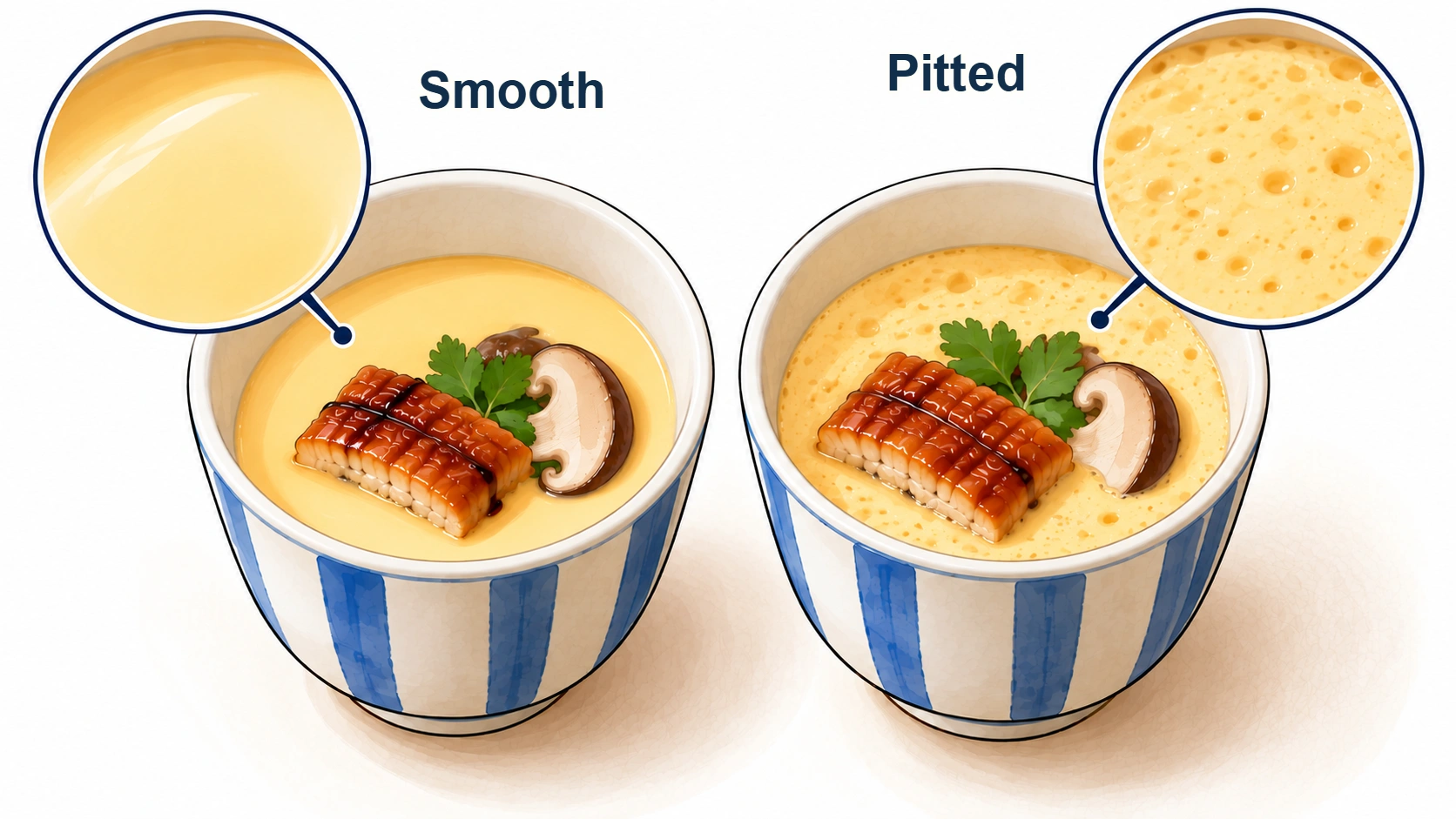
Diagram 08: an illustrative comparison, not a taste ranking or experimental result.
9. Check centre setting separately from safe heating
Kikkoman checks whether the centre has set enough to flex gently when the cup is moved before adding further ingredients. Visual setting cannot establish microbiological safety. Japan's Ministry of Health, Labour and Welfare (MHLW) gives a general benchmark for heated food of 75°C at the centre for at least 1 minute in its six household food-poisoning prevention points. Where appropriate, check the centre using a clean food thermometer instead of relying solely on the published steaming time.
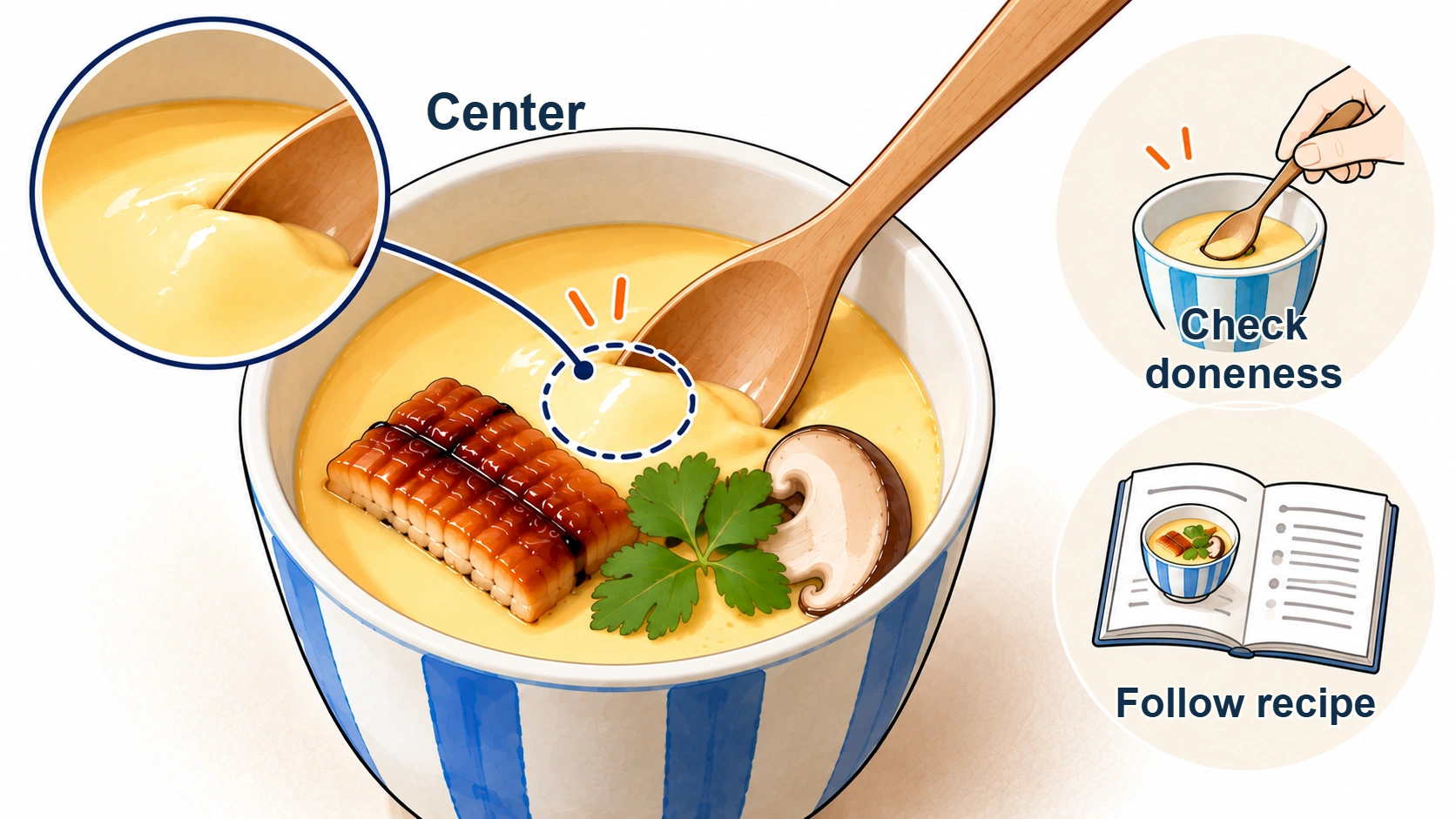
Diagram 09: where to look or probe; a spoon-only check does not measure temperature.
Wash hands and utensils after contact with fish or eggs and store any chilled smoked product according to its label. Do not leave finished custard at room temperature for extended periods. Divide leftovers into clean, shallow containers so they cool promptly. No universal number of safe storage days is specified here. Follow the MHLW advice for storage, reheating and discarding food that may be unsafe.
Sources
MAFF, “Chawanmushi” — Original one-egg, 150 mL dashi recipe; straining, covered cups and pan-steaming conditions. Original fillings are chicken and shrimp.
Kikkoman, “Chawanmushi (Basic Japanese Cooking)” — Gentle mixing, straining and visual assessment of centre setting; not a smoked-eel recipe.
Kikkoman, “Unagi” ingredient guide — Eel preparations and refrigerated handling.
Kikkoman, “Home Cooking Measurement Conventions” — Japanese teaspoon 5 mL, tablespoon 15 mL and cup 200 mL.
MAFF, “Is Fresh Food Safe to Eat Raw?” (updated 15 December 2023) — Explains ready-for-raw-consumption and cook-before-eating indications; does not classify every smoked-eel product.
MHLW, “Six Points for Preventing Food Poisoning at Home” — General household guidance on heating, cooling, storing and leftovers.
Sources checked on 1 November 2026. This is an editorial adaptation of published recipes, not a report of kitchen testing or sensory evaluation with smoked eel.
Related articles