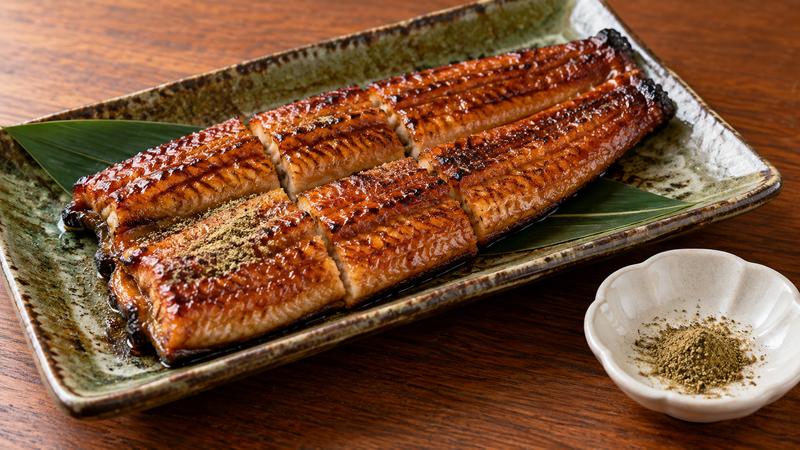
That little packet beside your grilled eel is an invitation, not an instruction to use it all. Sansho brings a citrus-like aroma and a tingling sensation to sweet-savory unagi kabayaki. The easiest way to discover whether you like it is to try a small amount on a single bite.
More than a way to add heat
Sansho has a fresh aroma and a distinctive, tongue-tingling pungency. S&B describes powdered sansho as a familiar accompaniment to eel kabayaki and notes its compatibility with soy sauce. That pairing helps explain its place beside glazed eel: it adds another aromatic dimension to the dish. [1]
Think of it as a choice about flavor. You might want to focus on the sweet glaze, the grilled surface, or the added fragrance of sansho. None of those preferences needs to win every time. A little seasoning lets you explore the same serving from another angle.
There is no need to choose sansho on the assumption that it will break down fat or improve digestion. For enjoying your meal, the useful question is simpler: do you like the aroma and sensation it adds?
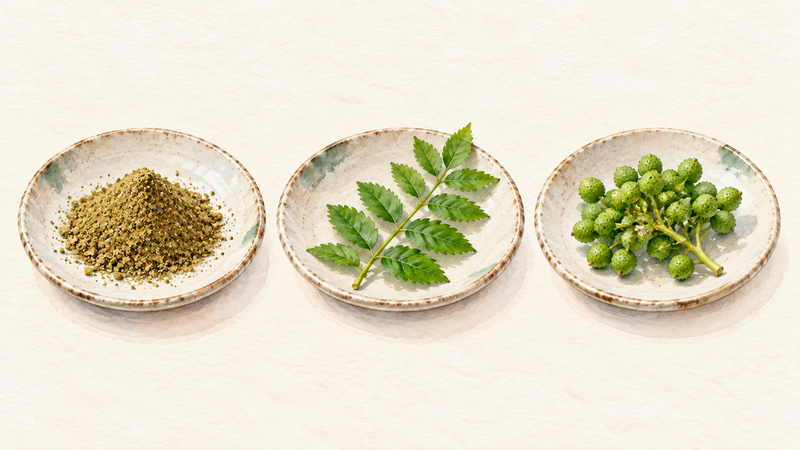
Powdered sansho is not the same presentation as leaves or berries
Different parts of the plant appear in Japanese cooking. Young shoots are known as kinome, while immature berries are called mi-zansho. The powder familiar from eel dishes uses dried fruit peel. A decorative leaf, a preserved berry, and a fine powder are different ways of using the plant. [1] [2]
For a first taste with kabayaki, a packet or jar of powder makes it easy to control how much you add. Products with built-in mills offer another option: House Foods presents these as a way to enjoy freshly ground aroma. Choose the format that suits the way you want to season your food. [3]
Start with a single bite
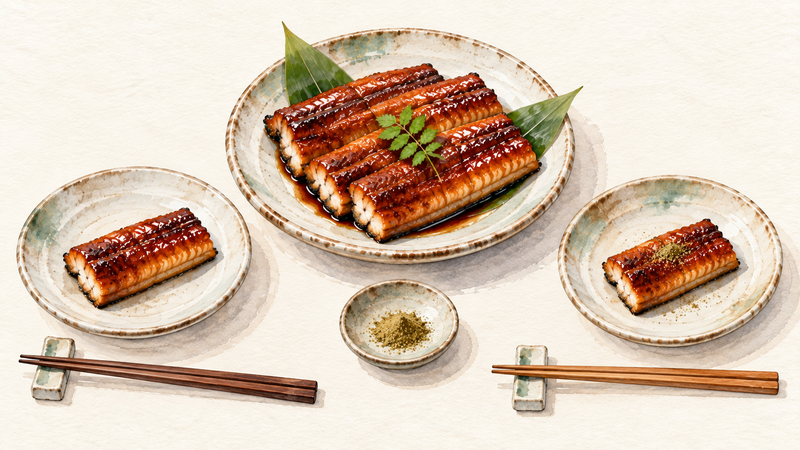
Try your first bite without sansho. This gives you a reference for the eel and its sauce. Add a small amount to the next bite, then decide whether you want more.
Avoid covering the entire dish before you have tasted the seasoning. Once it is spread everywhere, you cannot easily compare it with an unseasoned bite. A small area at the edge of the eel is a useful place to start, particularly with an unfamiliar jar or a shaker that dispenses more than you expect. You do not need to empty an accompanying packet.
Sprinkling it directly onto a little of the eel is a straightforward approach. There is no need to turn the placement or timing into a ceremony: you can add it partway through the meal or keep some bites plain. If a restaurant offers a particular serving suggestion, that can be another enjoyable way to try it.
Check the product as well as the amount
Not every powdered seasoning has the same formulation. S&B notes that some powdered sansho products are blended with Chinese pepper, or huajiao. If one feels too intense, checking the ingredients can be as useful as reducing the quantity. [1]
When shopping again, keep the name and ingredient list of the product you tried. Separate what you liked from what you did not: perhaps you enjoyed the fragrance but wanted less tingling, or wanted a more noticeable accent. Do not assume you can predict the strength from the package name or the powder’s appearance alone. Start small with a new product.
It is fine to skip it
If you do not enjoy sansho, leave it out. You can appreciate the eel and glaze without an extra seasoning. When sharing a meal, add it after portions have been divided so everyone can choose their own amount.
Sansho is a way to expand your options, not a test of whether you are eating unagi correctly. Try a little, add more if you like it, and keep the rest of the dish plain if you prefer.
Frequently asked questions
Should I use the whole packet? No. Start with a little on one bite and adjust to your taste.
Can I enjoy unagi if I dislike sansho? Yes. You can enjoy the eel and sauce without it. If you are curious about the fragrance, try only a tiny amount first.
Are sansho and Sichuan pepper the same? Do not treat the names as interchangeable when choosing a product. Check the ingredients: some powdered sansho products include a blend with huajiao, or Chinese pepper. [1]
Related articles