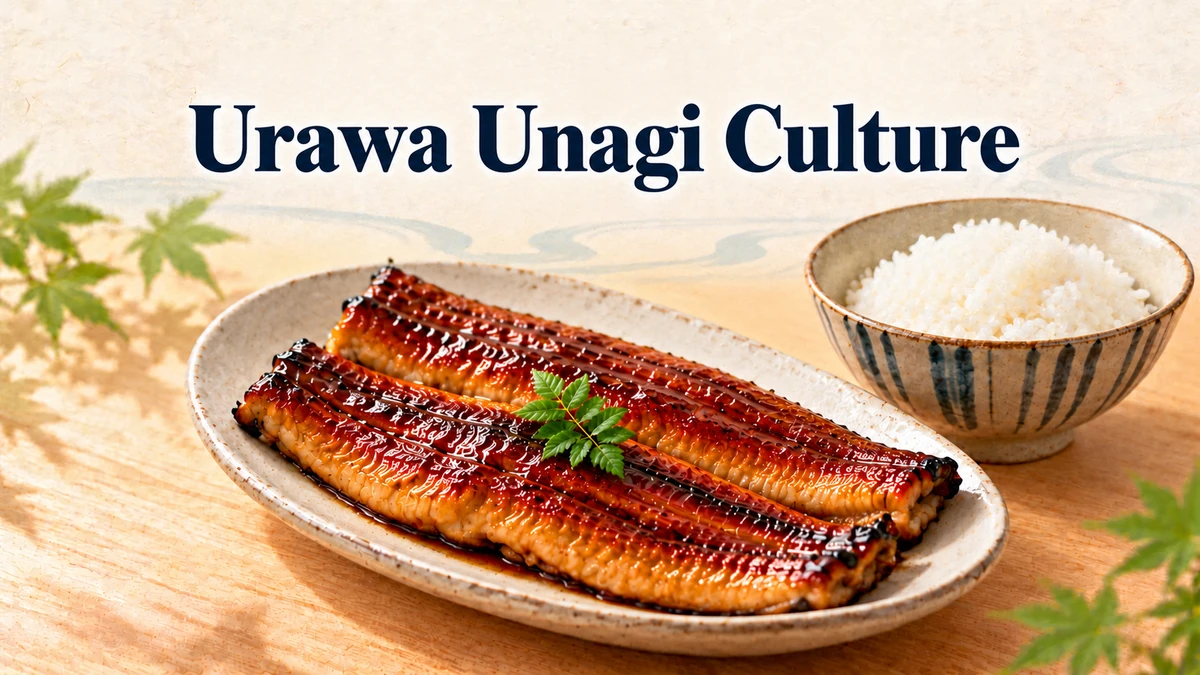
An eel meal in Kawagoe can be more than a stop at a famous restaurant. It can also help you connect food, the townscape and the people who have visited the area over time.
An inland town with a river-fish tradition
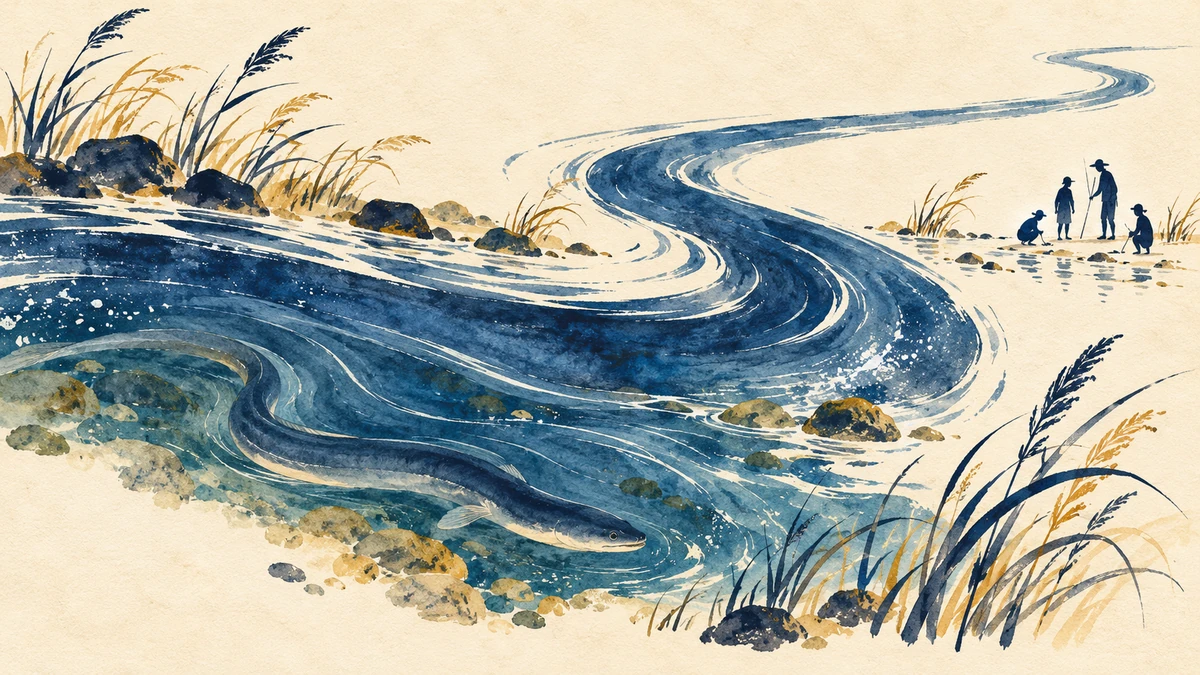
Kawagoe City's current historic-environment plan explains that river-fish dishes became a local specialty in this river-surrounded area, and that longstanding eel restaurants continue the tradition. This describes the town's food culture.
Soy sauce, sugar and the town's trade
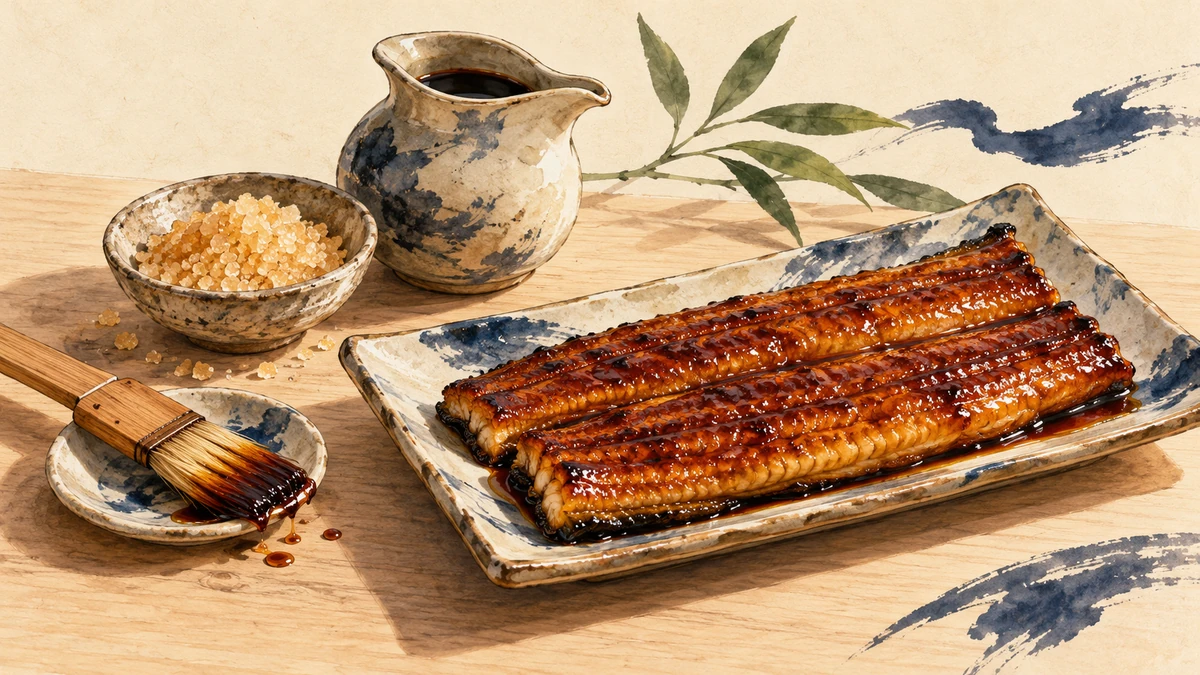
The same city document describes Kawagoe's many soy-sauce and sugar merchants and the individual seasonings developed by its eel restaurants. The food culture is not just a story of nearby fish: it also involves trade in ingredients and cooks shaping their own flavors.
Rather than look for one definitive Kawagoe sauce, pay attention to the restaurant's individual approach. The commercial history gives you another way to understand what is on the plate.
Give the surrounding streets a place in the visit
The city describes temple neighborhoods, including the area around Kitain, as places where historic buildings and ongoing community life overlap. This makes a meal followed by a walk a useful way to approach Kawagoe's food culture.
Our suggestion is to choose one meal and one area you want to explore, rather than pack the day with stops. Leaving some space around the meal gives you time to enjoy the streets as well.
One example of a restaurant's own history
Ogakiku's official website presents the restaurant as a business dating to the late Edo period and describes a sauce tradition passed down through the generations. A restaurant's own account adds another layer to the meal.
Reading the menu after the history invites a different question: how does the restaurant express its tradition through the dishes it serves?
Read the dish name and the set details
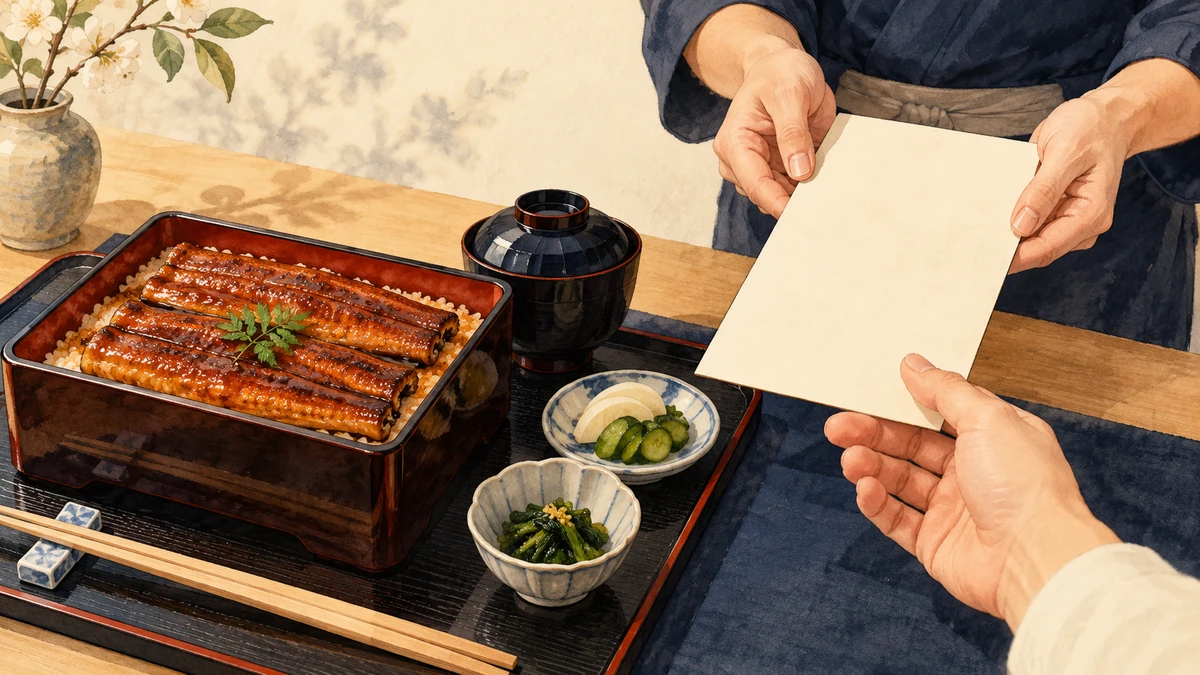
For example, Ichinoya's official menu lists unaju, kabayaki and shirayaki, and notes that certain kabayaki items do not include rice. Similar-looking eel dishes do not necessarily make the same meal.
- Is rice included, or is this eel served on its own?
- Which sides come with the order?
- Are you looking at a dine-in or takeaway menu?
Quick questions
- Is all Kawagoe eel locally caught?
- Being a local specialty does not prove that the eel on today's plate was caught in Kawagoe. Ask the restaurant about its current sourcing if origin matters to you.
- Does every restaurant use the same method?
- Do not infer a universal recipe from the place name. Individual restaurants are the right sources for their own preparation methods.
Related articles