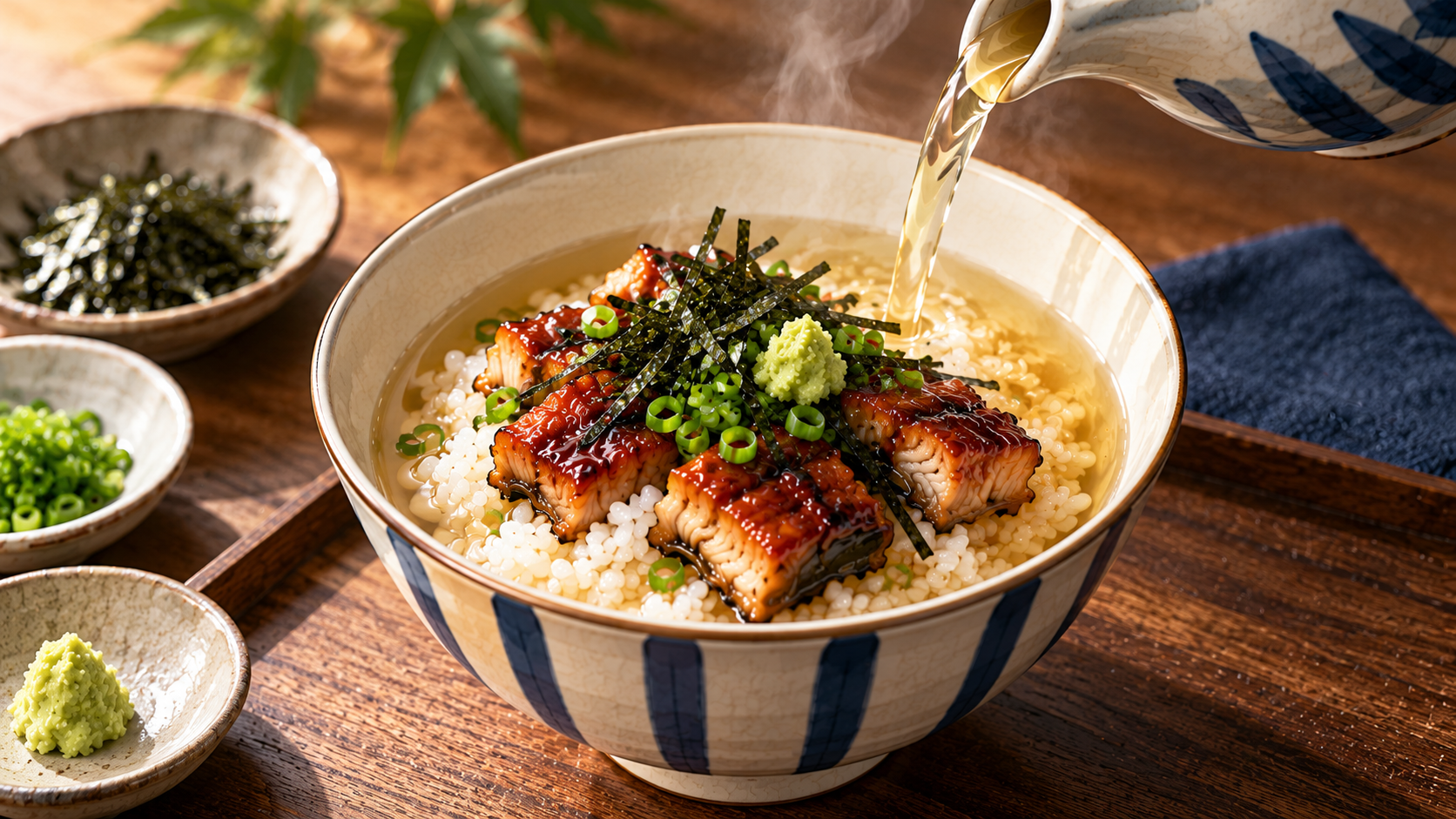
Eel takikomi gohan is seasoned rice cooked together with prepared eel and vegetables. Mixed eel rice follows a different sequence: the rice is cooked first, then seasoned eel is folded in. The crucial distinction is when the rice receives its seasoning and when the toppings enter the pot. This guide uses Maruetsu’s published eel-and-burdock rice-cooker recipe as its specific example, while drawing methodological comparisons with Kikkoman’s official recipes. Follow the chosen source recipe and your appliance manual rather than treating different formulations as interchangeable.
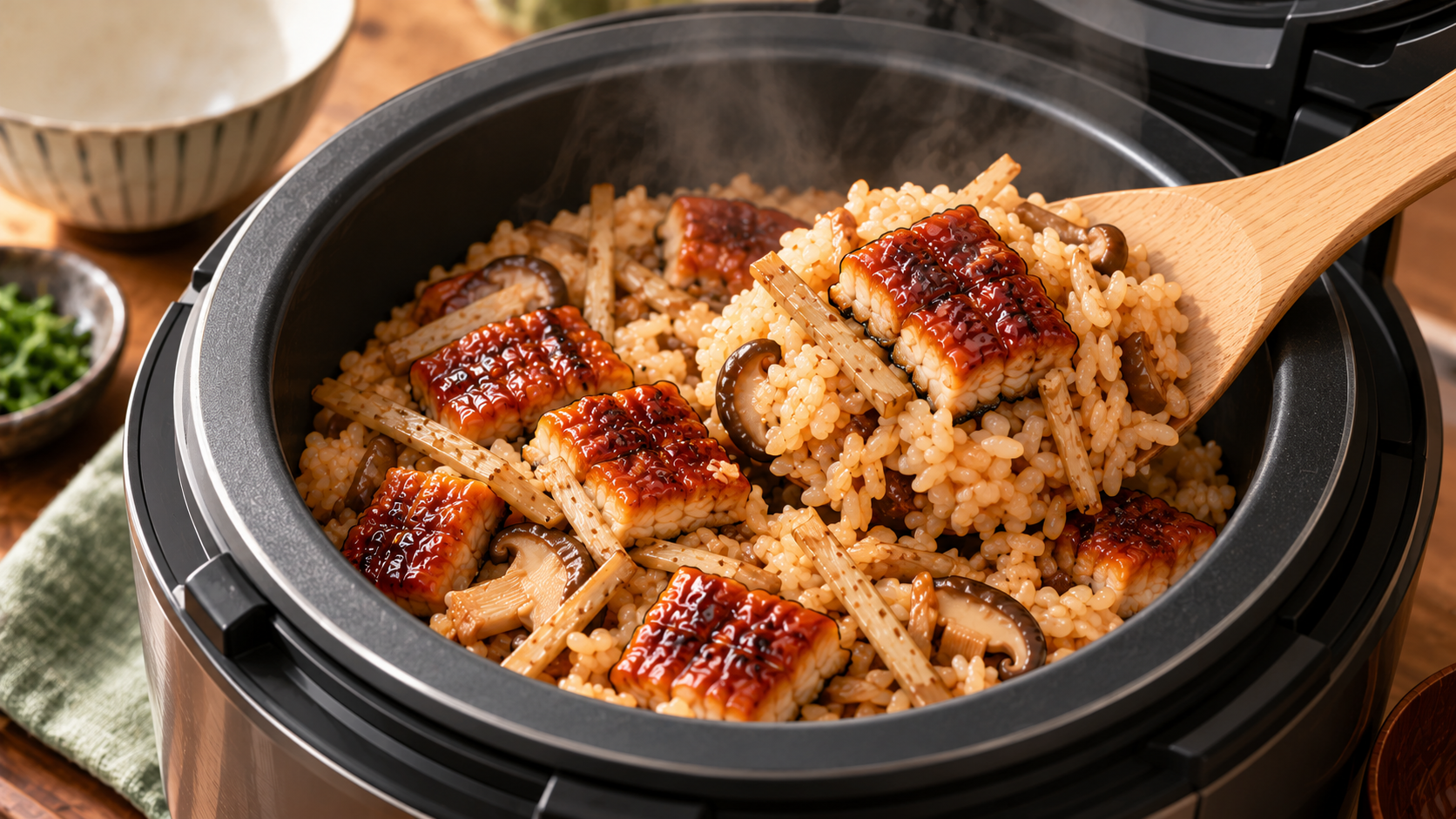
AI-created editorial food illustration, not a photograph of a real business, product or tested cooking session.
About the diagrams: They illustrate the sequence schematically. Some show mushrooms, although mushrooms are not an ingredient in the Maruetsu formulation reproduced below. Do not infer extra ingredients or amounts from the pictures.
Takikomi rice versus rice mixed after cooking
Ingredients cooked with rice or added afterward
In takikomi rice, the uncooked grains absorb seasoned cooking liquid while the ingredients cook above them. Maruetsu directs cooks to combine rice and seasonings in the inner pot, then add grilled eel, burdock and carrot before starting the cooker. Kikkoman's separate mixed-eel-rice recipe combines already-cooked rice with seasoned kabayaki afterward. Mixed rice is the alternative when you prefer adding the eel at the end or when your appliance does not support cooking rice with ingredients. Do not pour the liquid quantities intended for uncooked rice onto rice that has already been cooked: the two preparations require different seasoning methods.
Sources: Maruetsu: eel and burdock takikomi rice (ingredients and method) · Kikkoman: eel takikomi rice (alternative formulation) · Kikkoman: mixed eel rice (post-cooking method)
Which sequence are you using?
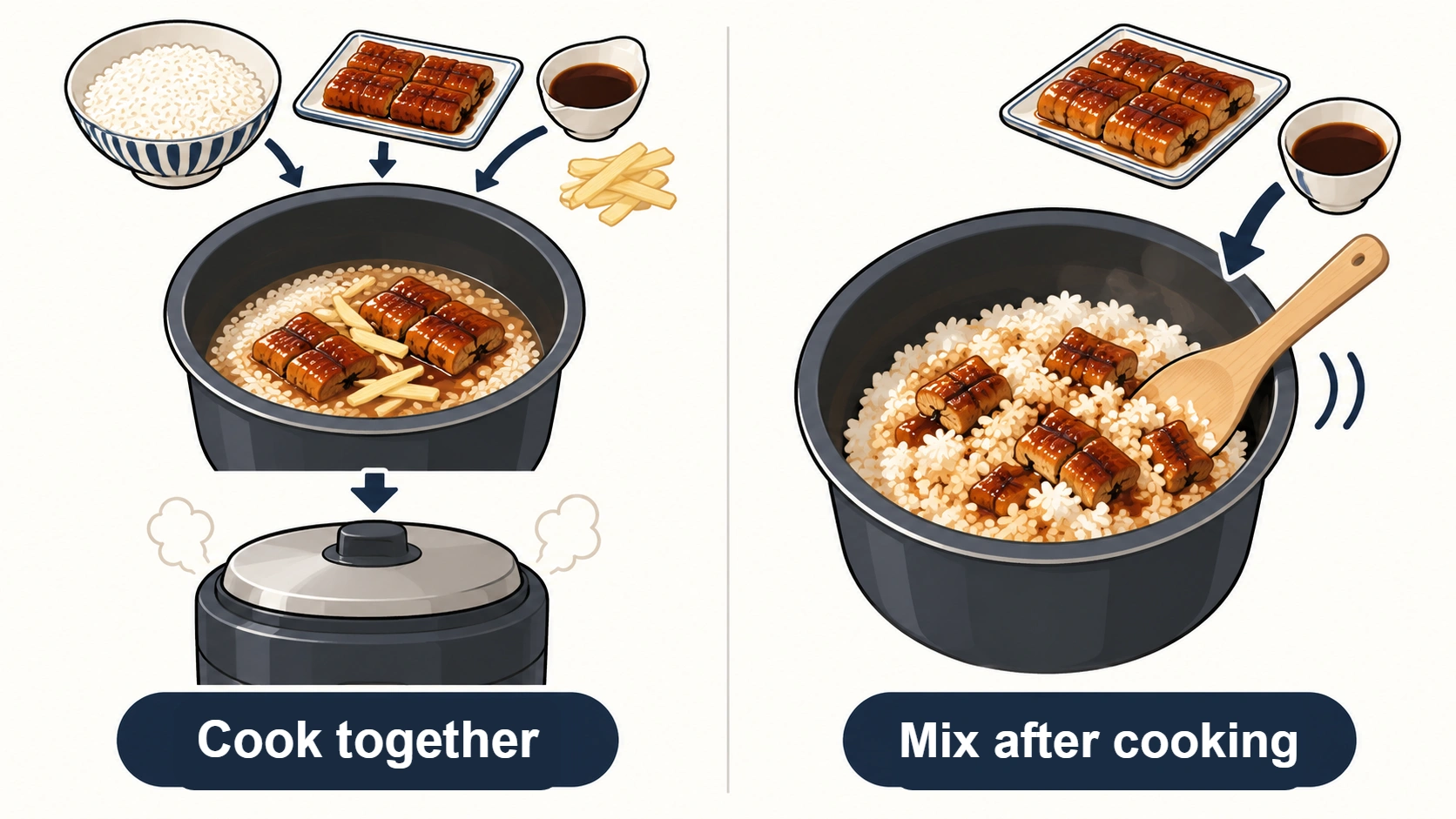
Figure 01: Comparison of cooking ingredients with rice and folding them in afterward
Measure rice and liquid before adding toppings
In the Maruetsu recipe, rinse 1.5 gō of dry rice and leave it in a strainer to drain for approximately 30 minutes. Put the rice, kabayaki sauce, sake, soy sauce and mirin into the inner pot, then add water after the seasonings until the 1.5-gō mark is reached. Filling to the line with plain water and then adding the sauces would change the intended liquid level. One Japanese rice gō measures 180 mL of dry rice by volume; it is not an instruction to use 180 mL of cooking water. A Japanese tablespoon is 15 mL. Use the correct utensils and the actual cooker graduations rather than guessing a liquid quantity.
Sources: Maruetsu: eel and burdock takikomi rice (ingredients and method) · Kikkoman: kitchen measuring tools (gō and tablespoons)
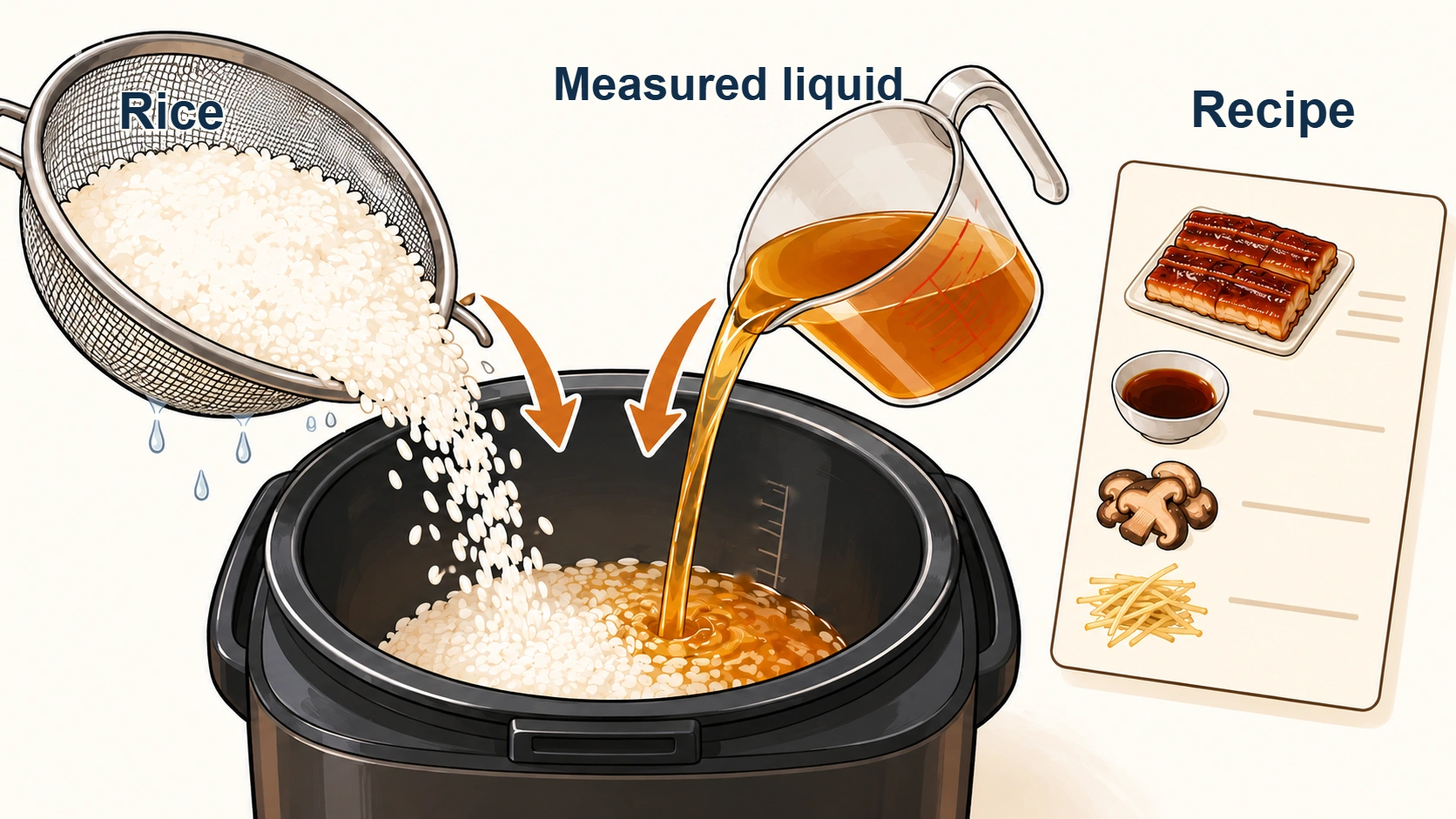
Figure 02: Rinsed rice and measured cooking liquid entering the cooker
Preparing the ingredients
Reference formulation: Maruetsu’s official eel-and-burdock takikomi rice recipe (2 servings). The quantities below are reproduced as ingredient facts from that source. Kikkoman also publishes a different version using 2 gō of rice, one piece of kabayaki, 2½ Japanese tablespoons each of soy sauce and mirin, and dashi added to the 2-gō line. Do not combine the proportions of these two recipes.
Measurement note: One Japanese tablespoon is 15 mL; half is 7.5 mL. One gō is 180 mL of uncooked rice by volume—not a direction to add 1.5 × 180 mL of water. Kikkoman's measurement guide confirms these units; use the liquid fill line specified by the selected recipe.
Cut the prepared kabayaki into pieces
The recipe begins with commercially prepared kabayaki—eel that has already been grilled and glazed—not raw eel. Cut one eel into pieces approximately 2 cm wide, as specified by Maruetsu. Remove any skewer, inspect the product for bones and follow its package directions on handling and heating. Clean hands, knives and cutting boards matter even when the main protein has been cooked: prevent contact with juices from uncooked food. Eel portions can vary widely by product, so do not silently replace the recipe's one-eel instruction with a weight taken from another recipe.
Sources: Maruetsu: eel and burdock takikomi rice (ingredients and method) · Japan Ministry of Health, Labour and Welfare: food poisoning prevention at home
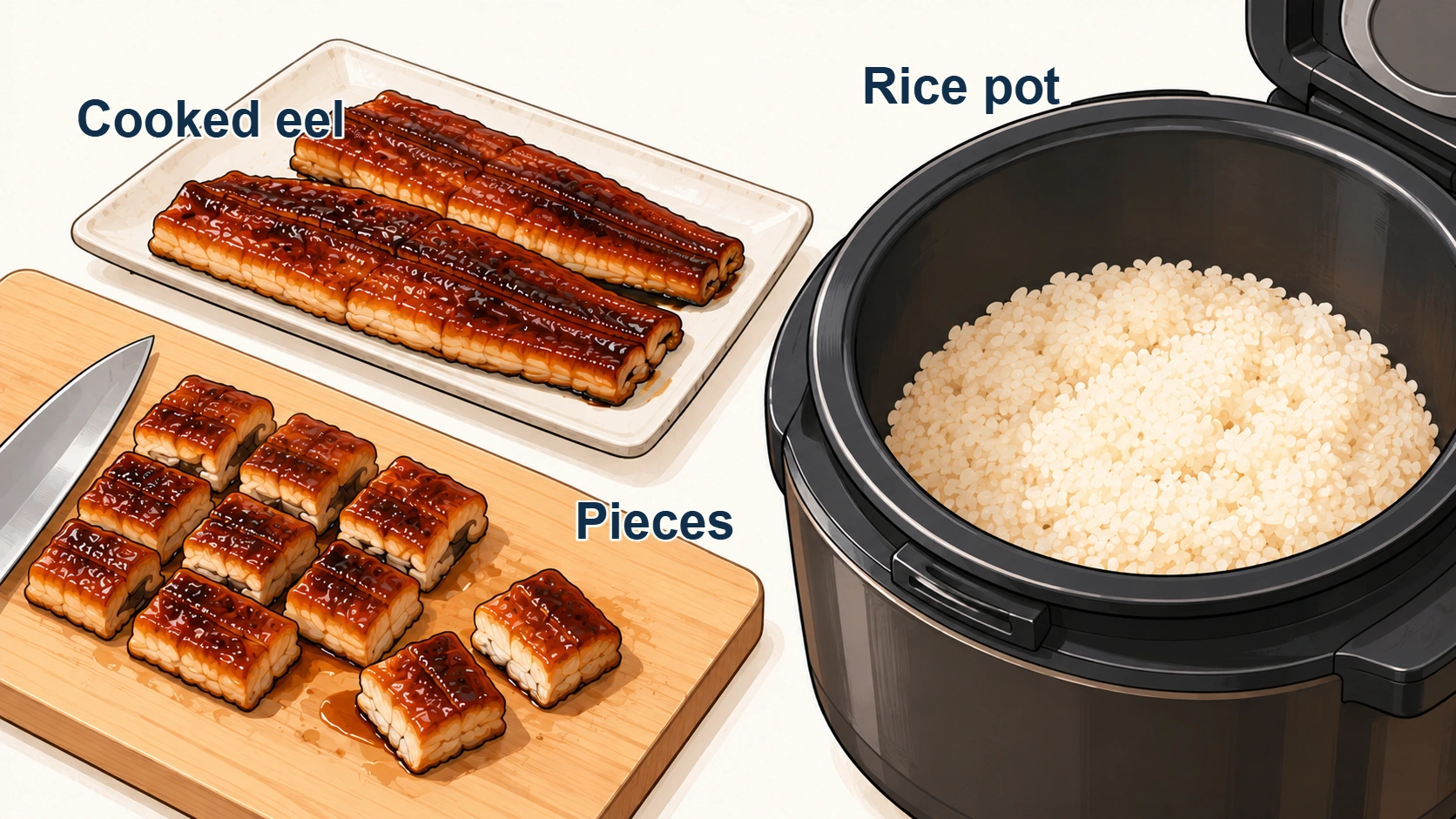
Figure 03: Prepared kabayaki cut into pieces beside the rice pot
Prepare burdock in small, even cuts
Scrape the outside of one-third of a burdock root with the back of a knife, shave it into fine pieces, briefly place it in water and drain thoroughly. Slice one-quarter of a carrot thinly. Keeping the root-vegetable pieces reasonably even helps avoid conspicuously large, firm pieces after cooking. These are preparations for the vegetables, not a separate marinade for the eel. Mushrooms visible in some diagrams are illustrative only and do not need to be added to the chosen Maruetsu ingredient list.
Sources: Maruetsu: eel and burdock takikomi rice (ingredients and method)
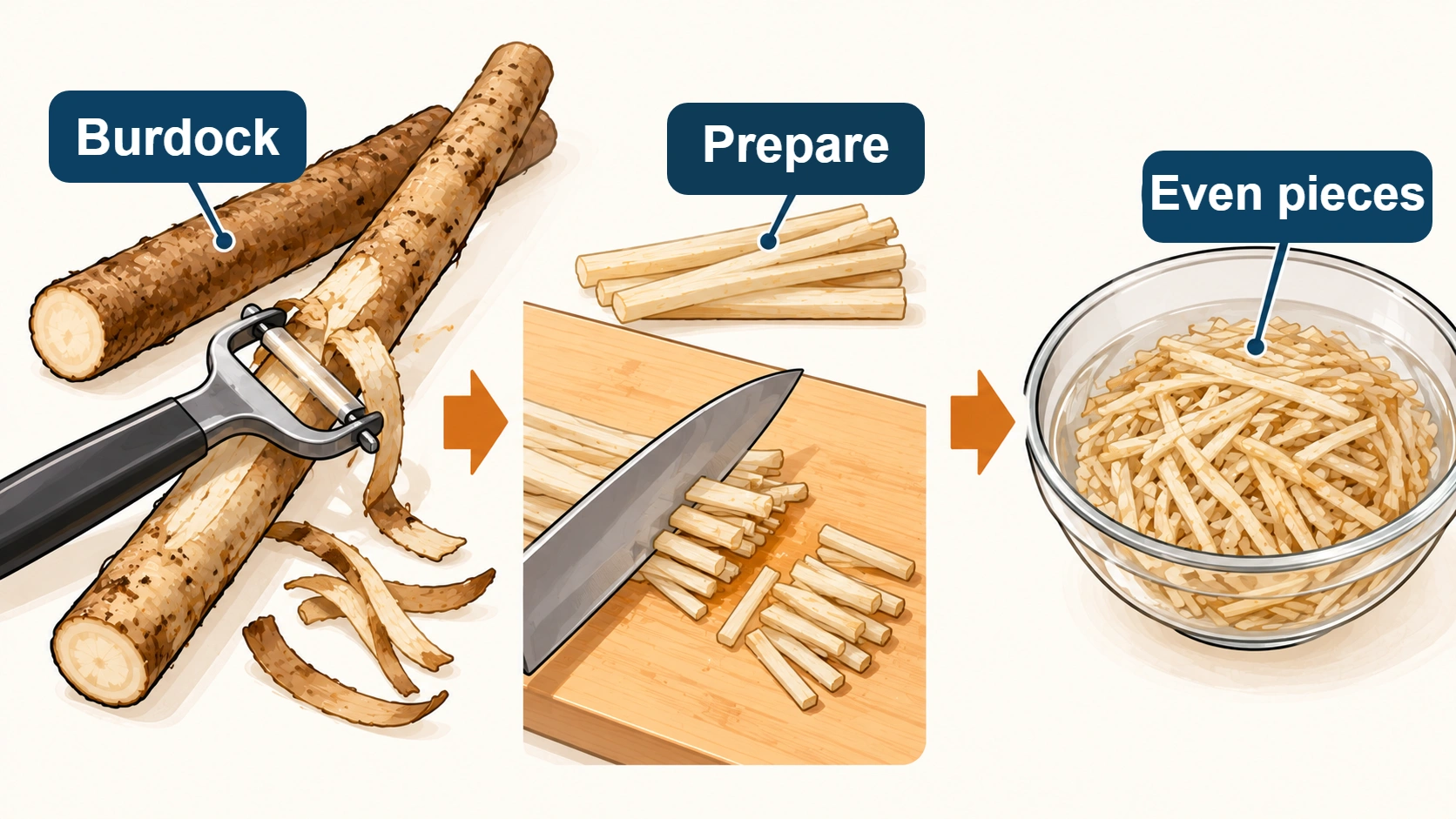
Figure 04: Cleaning and cutting burdock into fairly even pieces
From cooking to resting
Mix the seasonings first, then layer the ingredients
First mix the rice, kabayaki sauce, sake, soy sauce, mirin and water together in the cooker. Only then spread the prepared eel, burdock and carrot across the top of the rice. Do not vigorously stir the toppings down into the uncooked rice. This preserves the order described by the Maruetsu recipe: combine the rice and liquid, position the ingredients, and begin cooking. The diagram makes the layers easy to see; it is not a measured cross-section of any specific rice-cooker model.
Sources: Maruetsu: eel and burdock takikomi rice (ingredients and method) · Kikkoman: eel takikomi rice (alternative formulation)
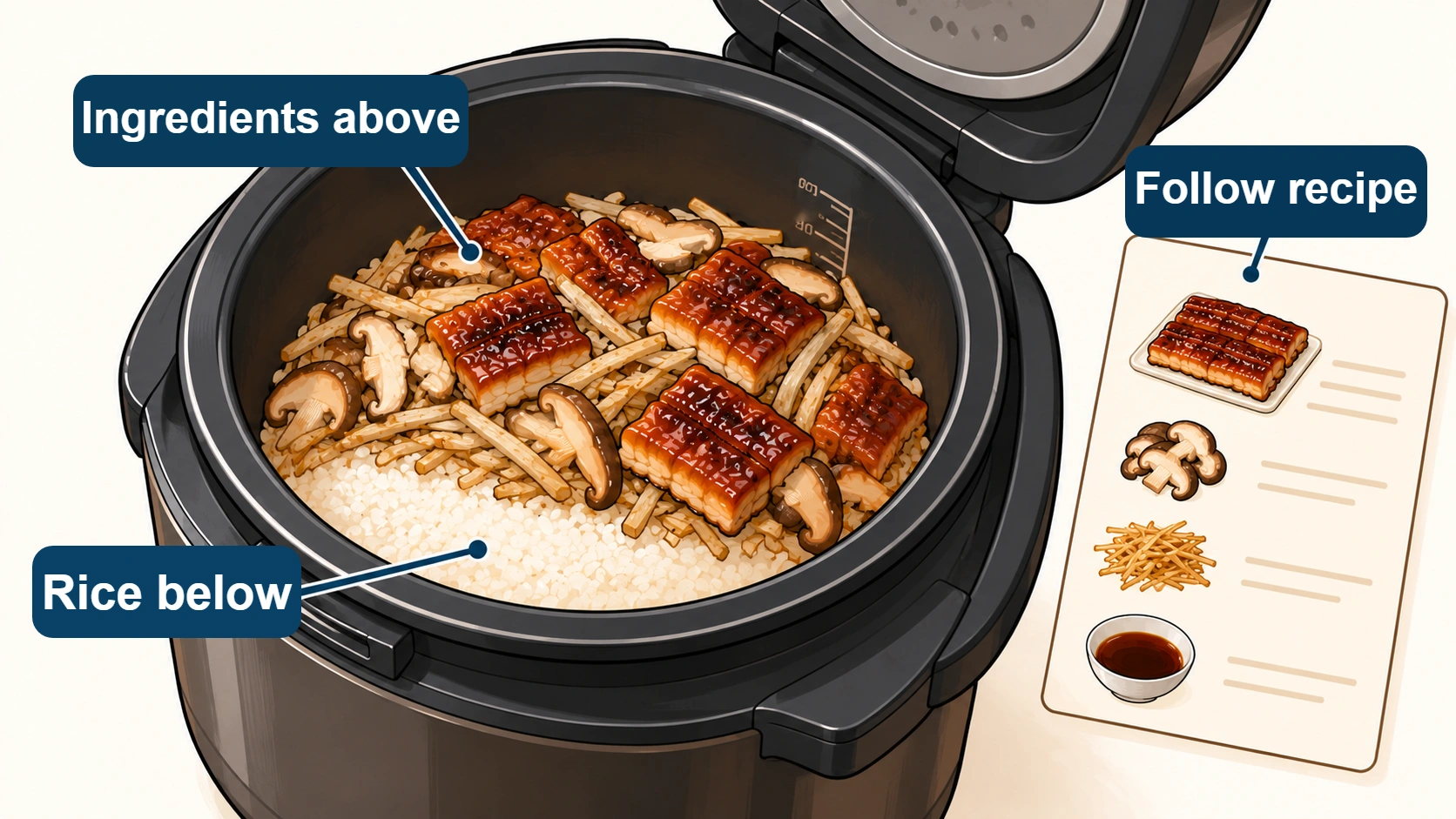
Figure 05: Mixing the liquid into rice before arranging ingredients on top
Check the rice cooker's suitable capacity
A cooker's limit for seasoned rice containing ingredients may differ from its plain-rice capacity. Zojirushi's official FAQ gives separate takikomi limits by cooker-size category and directs owners to the instruction manual. Even with the recipe's 1.5 gō, verify that your model supports this type of cooking, the appropriate programme and the permitted batch size. Do not pile extra ingredients to the brim or assume that every special-purpose or compact cooker can handle takikomi rice. Where the manual disagrees with a general article, the appliance instructions take priority.
Sources: Zojirushi: FAQ on takikomi rice-cooker capacity
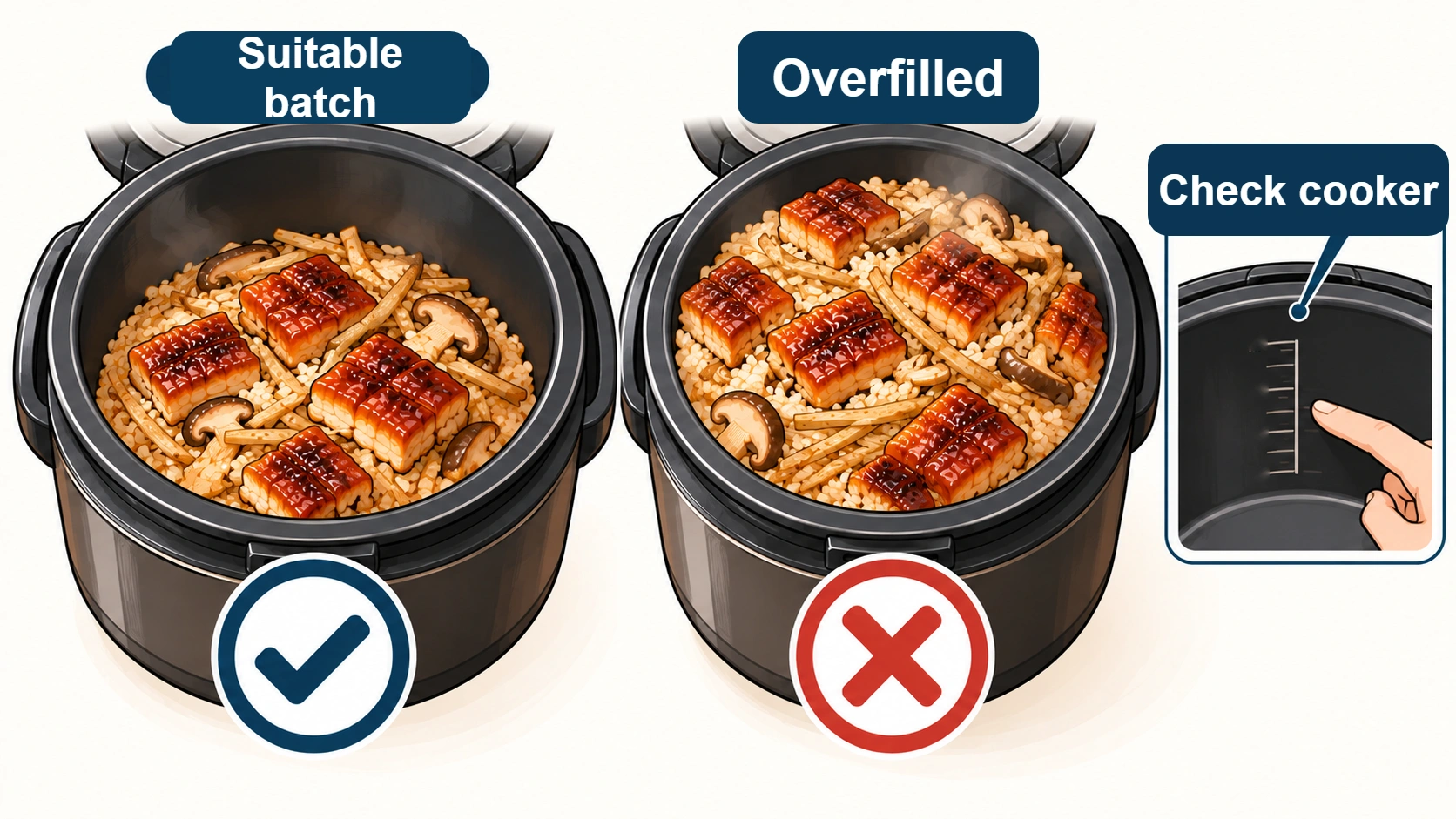
Figure 06: Suitable and excessive filling; actual limits depend on the appliance
Wait for the cooking cycle to finish before fluffing
Maruetsu instructs the cook to start a normal rice-cooking cycle after adding the ingredients and to fold the rice gently once cooking finishes. Neither a universal cooking duration nor an additional fixed resting time is specified in that recipe. If the appliance includes resting in its programme, wait for the completion signal; if its manual requires a separate resting stage, follow that guidance. Do not invent a mandatory number of resting minutes or repeatedly open the lid while the cooker is operating.
Sources: Maruetsu: eel and burdock takikomi rice (ingredients and method) · Zojirushi: FAQ on takikomi rice-cooker capacity
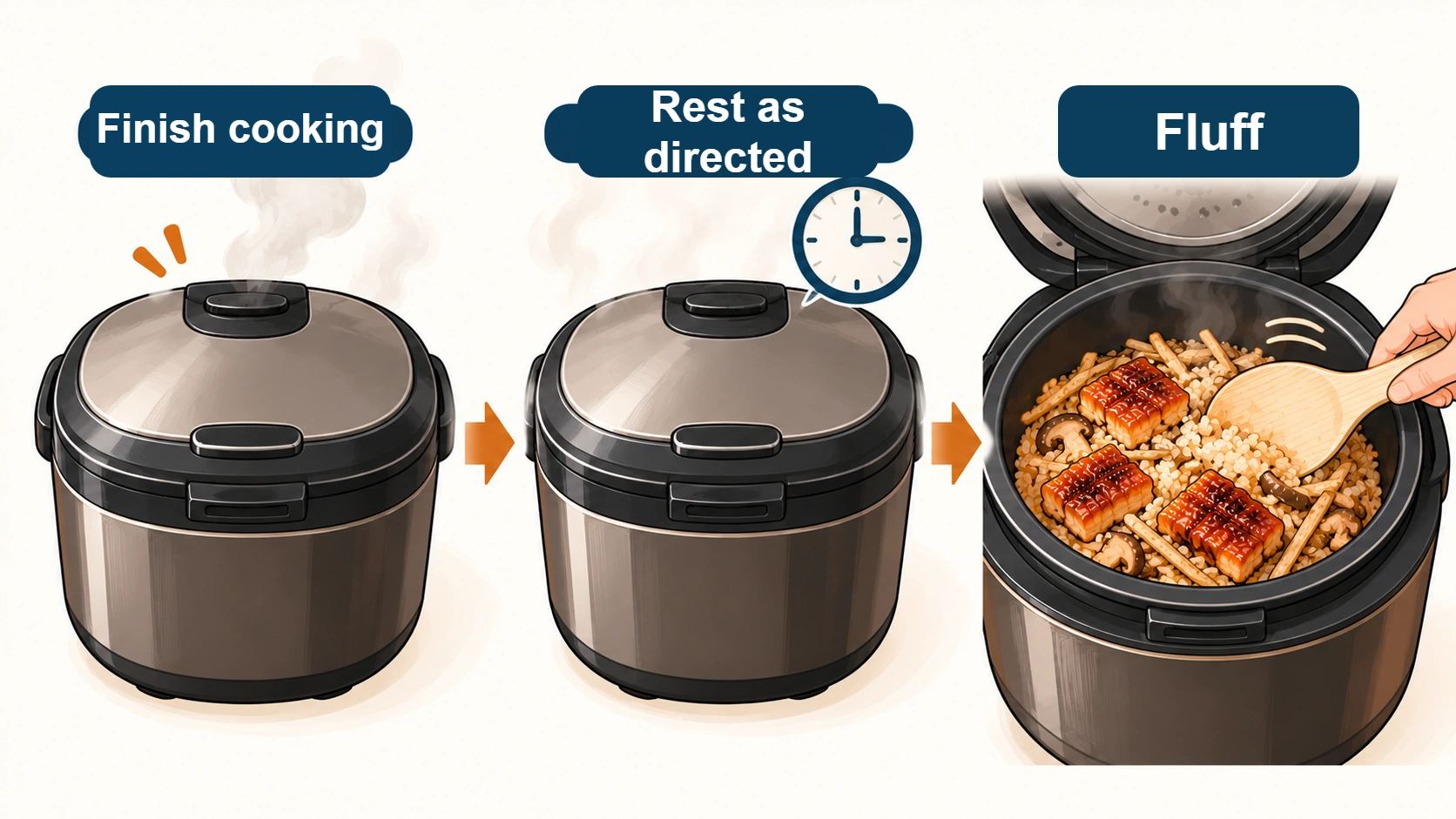
Figure 07: Cooking completion, resting as directed and gentle fluffing
Folding, serving and safe handling
Lift and fold without crushing the eel
Insert a rice paddle toward the bottom of the pot and turn small portions upward instead of mashing the top. Glazed eel has already been cooked and may break into flakes if mixed aggressively; gentle lifting keeps recognisable pieces distributed through the rice. If liquid appears to remain at the bottom, check that the cycle has actually completed and that the appliance was used as directed before attempting further cooking. Mixed eel rice follows a different workflow entirely: the rice is fully cooked before the seasoned eel is added.
Sources: Maruetsu: eel and burdock takikomi rice (ingredients and method) · Kikkoman: mixed eel rice (post-cooking method)
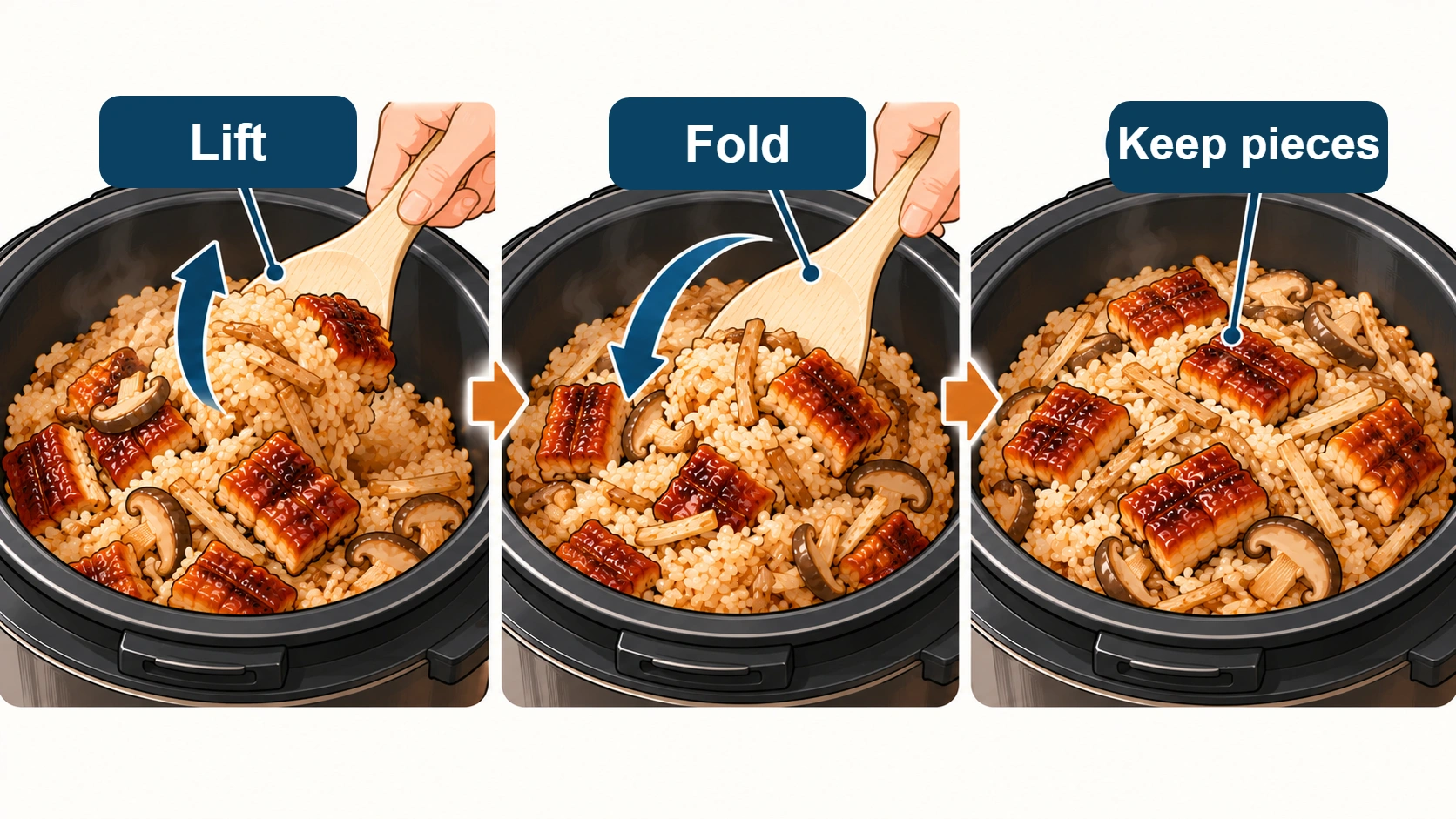
Figure 08: Lifting rice from below to keep the eel pieces intact
Add a small garnish and serve safely
Spoon individual servings into clean bowls and scatter sliced green onion over them, as in Maruetsu's recipe. Shredded nori is an optional garnish seen in Kikkoman's other eel-rice recipes, not a compulsory part of this formula. Wash hands before serving, use clean utensils and avoid leaving cooked rice at room temperature for extended periods. Divide leftovers into shallow containers so they cool quickly, store them appropriately in the refrigerator or freezer, and reheat thoroughly. Japan's health ministry does not provide a single universally safe leftover-storage duration for this particular dish, and neither does this article.
Sources: Maruetsu: eel and burdock takikomi rice (ingredients and method) · Japan Ministry of Health, Labour and Welfare: food poisoning prevention at home
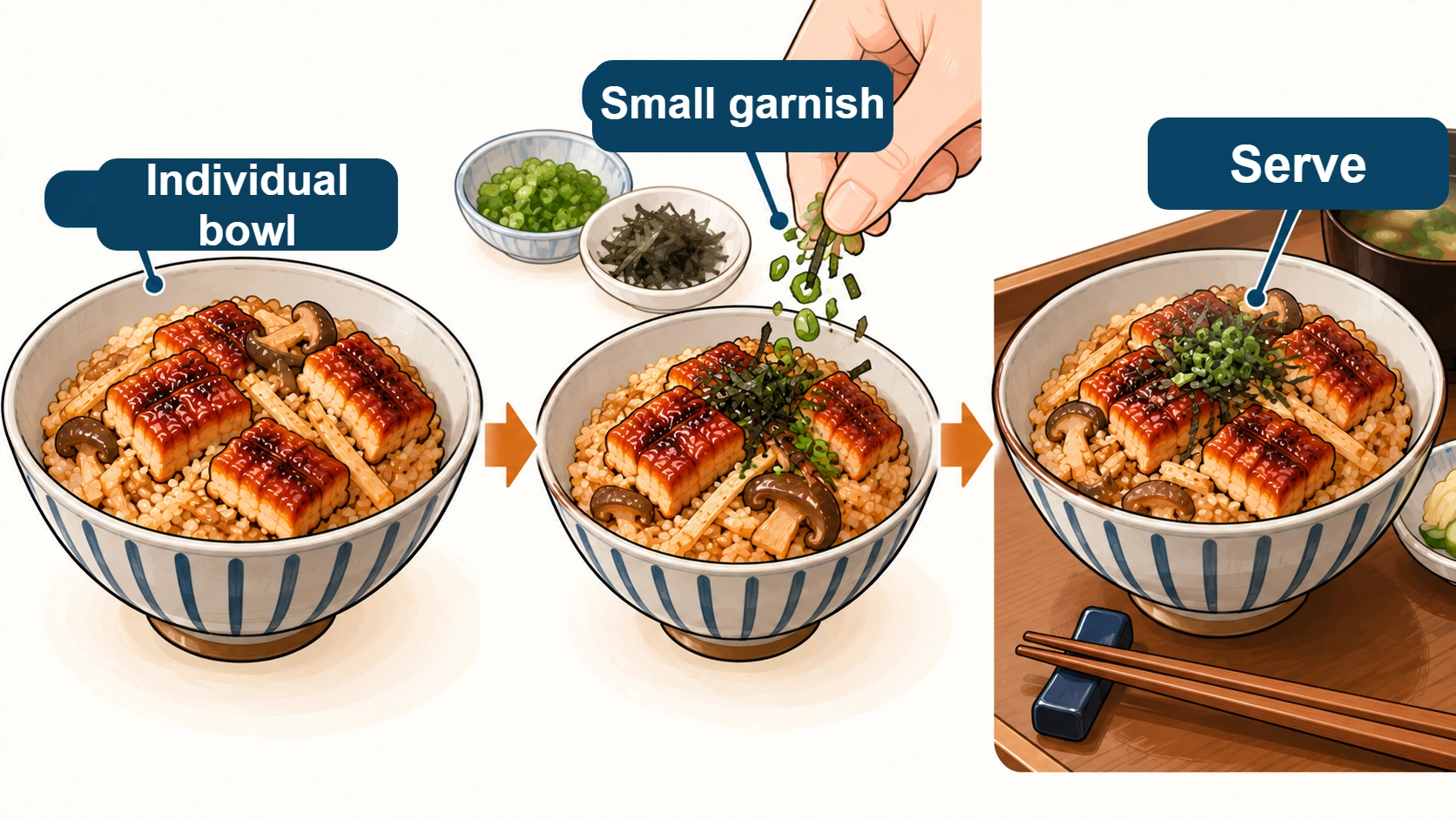
Figure 09: Serving an individual bowl with a little green onion or nori
The practical sequence is to measure rice and seasoning to the specified line, put the cut ingredients on top, cook, and fold gently only after the cycle ends. Rice mixed with eel after cooking is a distinct preparation. Either way, the actual recipe, your cooker's restrictions and safe food handling are more reliable than assumptions based on a picture.
Original recipes and official guidance
Maruetsu: eel and burdock takikomi rice (ingredients and method)
Japan Ministry of Health, Labour and Welfare: food poisoning prevention at home
Related article
For the regional dish and its background, see What is bokumeshi? Eel-and-burdock mixed rice from Shizuoka. This guide is deliberately limited to the rice-cooker method.
Related articles