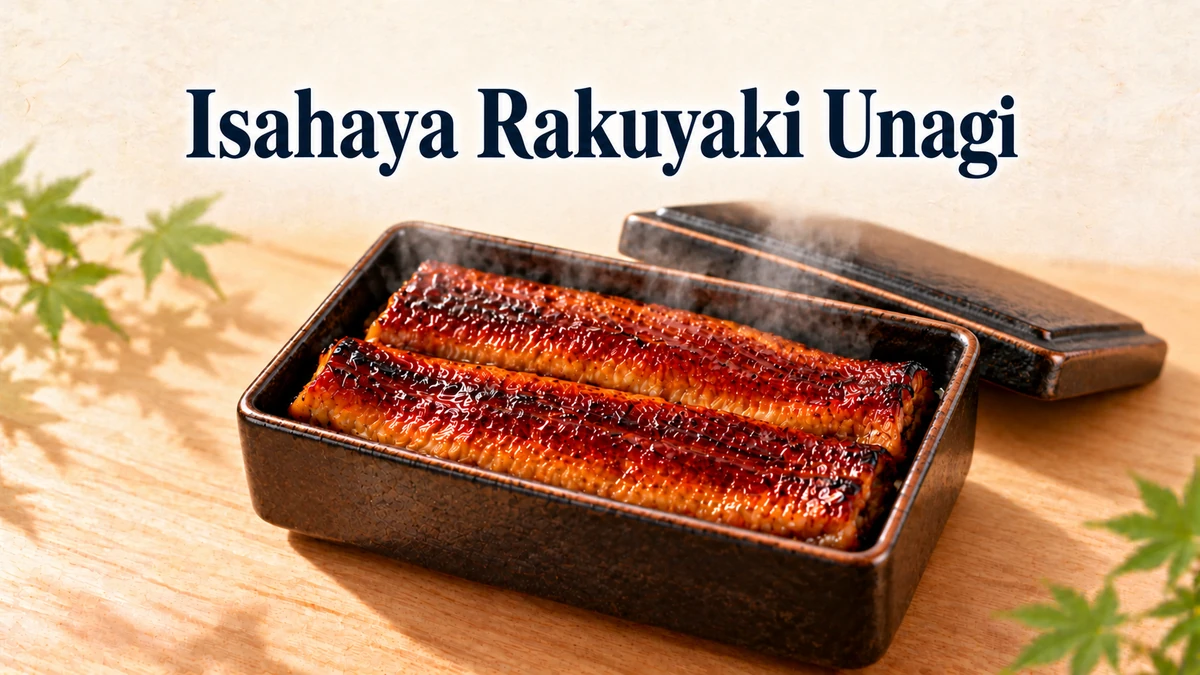
The key to understanding Mishima unagi is to separate preparation in local water from the place where an eel was raised. Mishima City highlights its spring water in its introduction to the local eel specialty. Eating eel at a restaurant in Mishima, however, does not by itself establish a Mishima farming origin.
Why water is part of the story
Mishima City identifies its spring water as groundwater from Mount Fuji and says it is also used for the city’s tap water. Water therefore appears in the city’s food identity as well as its scenery.
The official tourism guide describes keeping eels in Mishima water. For a visitor, the useful detail is the handling before a meal is prepared.
The pre-cooking holding stage is distinct from the eel’s entire farming period.
What Sakuraya says it does
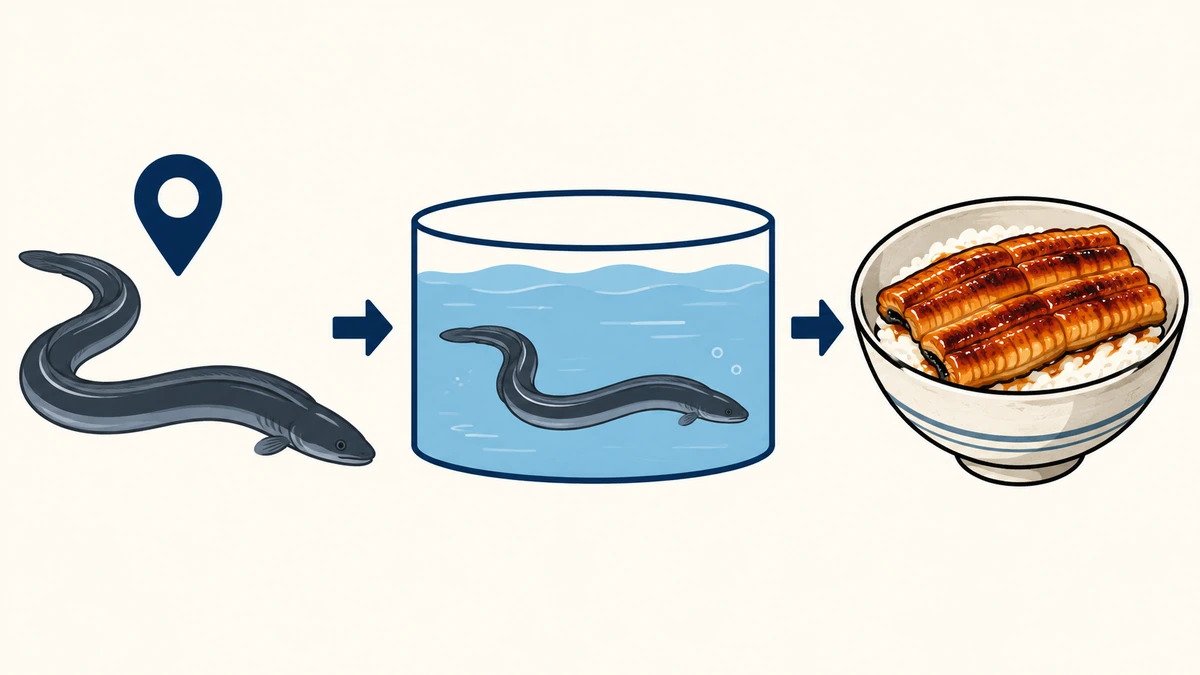
Sakuraya, an eel restaurant in Mishima, describes holding its eels in Mount Fuji groundwater for three to four days before cooking. The restaurant says this reduces characteristic odors, adjusts the amount of fat, and firms the flesh in the cold water. These are the operator’s descriptions of its preparation and intended sensory results.
This is a pre-cooking holding stage, rather than rinsing a finished piece of grilled eel. Sakuraya’s explanation is a concrete example, not a citywide rule for how long every restaurant holds its fish or which water supply it uses.
The cooking matters too
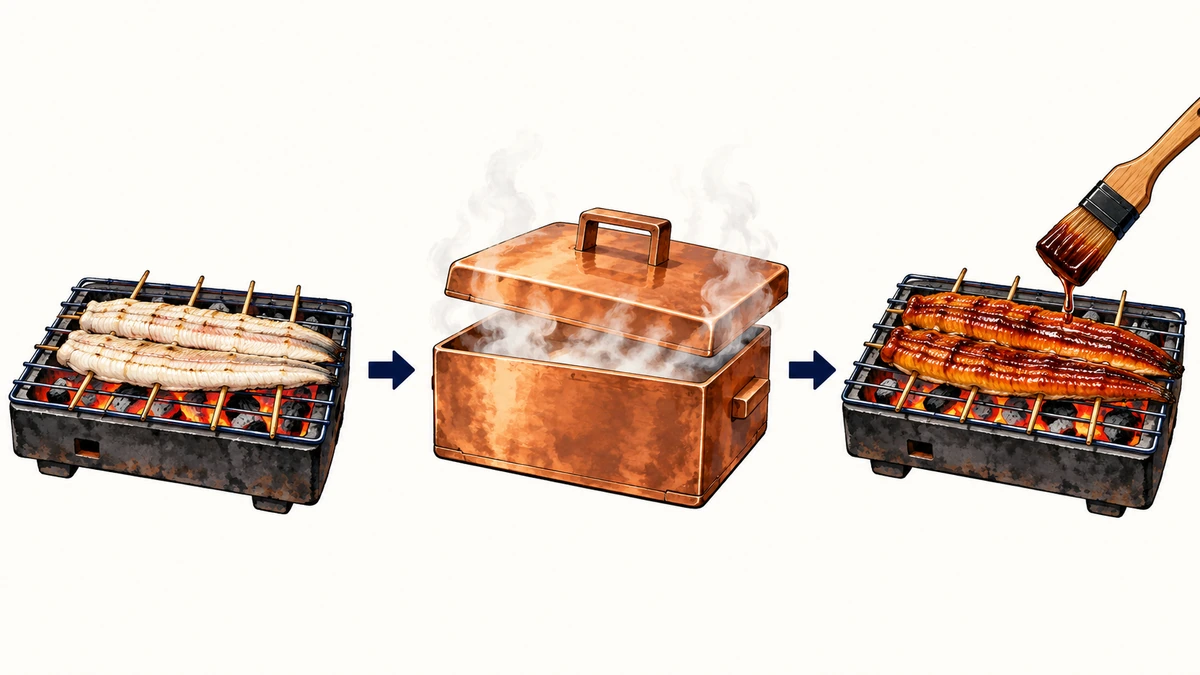
Sakuraya publishes one sequence: grill skewered eel over binchotan without sauce, steam it, then grill it again with sauce. This is the restaurant’s example, separate from the pre-cooking holding stage.
Mishima’s tourism website also emphasizes the individual restaurants’ seasoning and grilling. When reading about a restaurant, look beyond its water story to the way it describes its cooking.
Separate your questions, then check current restaurant information
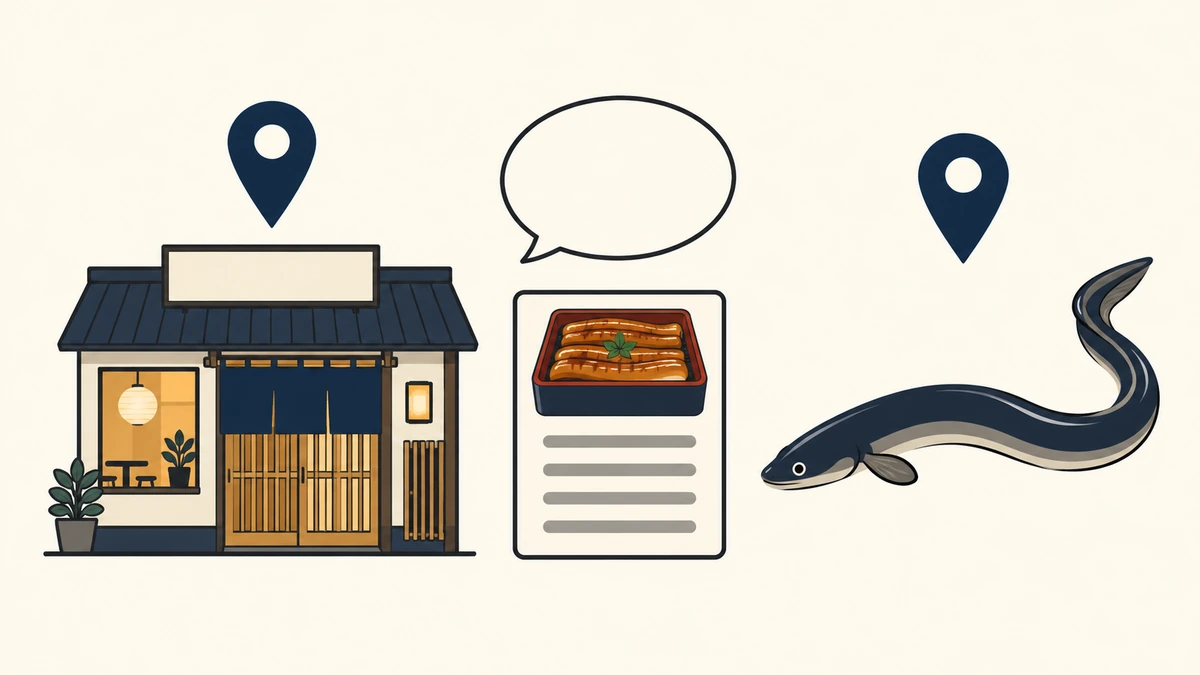
A restaurant’s location tells you where you will eat; its origin statement or sourcing explanation tells you where the eel was raised. Holding-water information and explanations of grilling, steaming and sauce answer different preparation questions. If origin matters, ask, 'Where was today’s eel raised?' For the preparation, ask separately, 'How do you hold the eels in water before cooking?'
Use the official tourism guide to find candidate restaurants, then consult each one’s current menu and notices. Check its location, the dish you want and the arrangements for your visit so that the broad local-specialty description leads to information about your actual meal.
FAQ
- Is all Mishima eel farmed in Mishima?
- A restaurant’s location does not establish that. Check its origin information separately; a description of holding eels in local water is not proof of where they were raised.
- At what stage is Mount Fuji water used?
- In Sakuraya’s published example, it is used to hold the eels before cooking. Ask individual restaurants about their own practice.
- Will eel taste the same at every Mishima restaurant?
- The regional name alone does not tell you that. Local tourism information also highlights each restaurant’s seasoning and grilling, so its cooking description is another useful guide.
Related articles