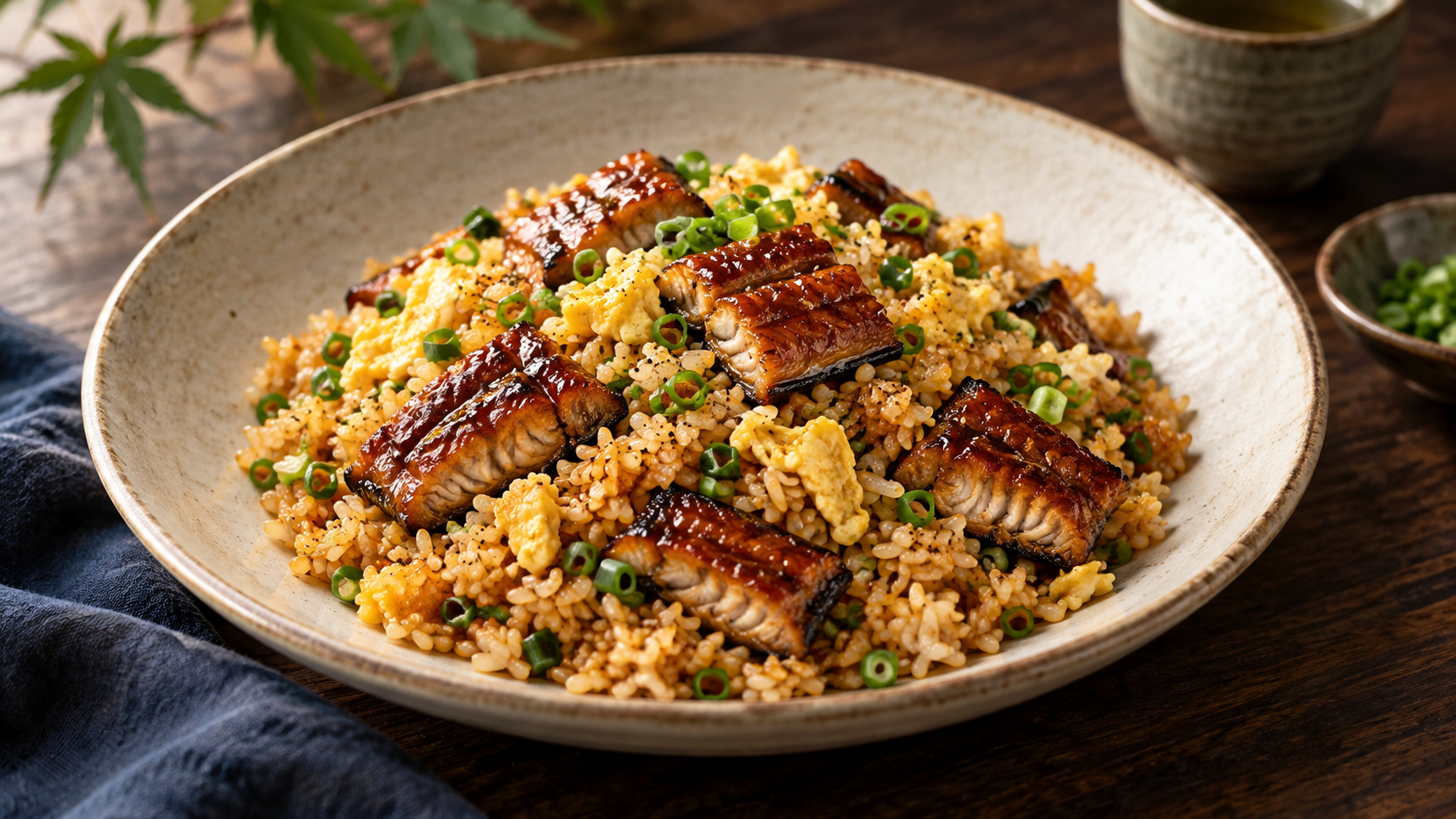
Unagi nigiri is made by placing a manageable piece of cooked eel kabayaki on a small mound of seasoned sushi rice. Although it has the shape of nigiri topped with raw fish, this is not a method for serving raw eel. The instructions below adapt commercially prepared, fully cooked eel for home assembly. They do not claim to reproduce an individual sushi chef's specialized technique or the process of preparing kabayaki from uncooked eel.
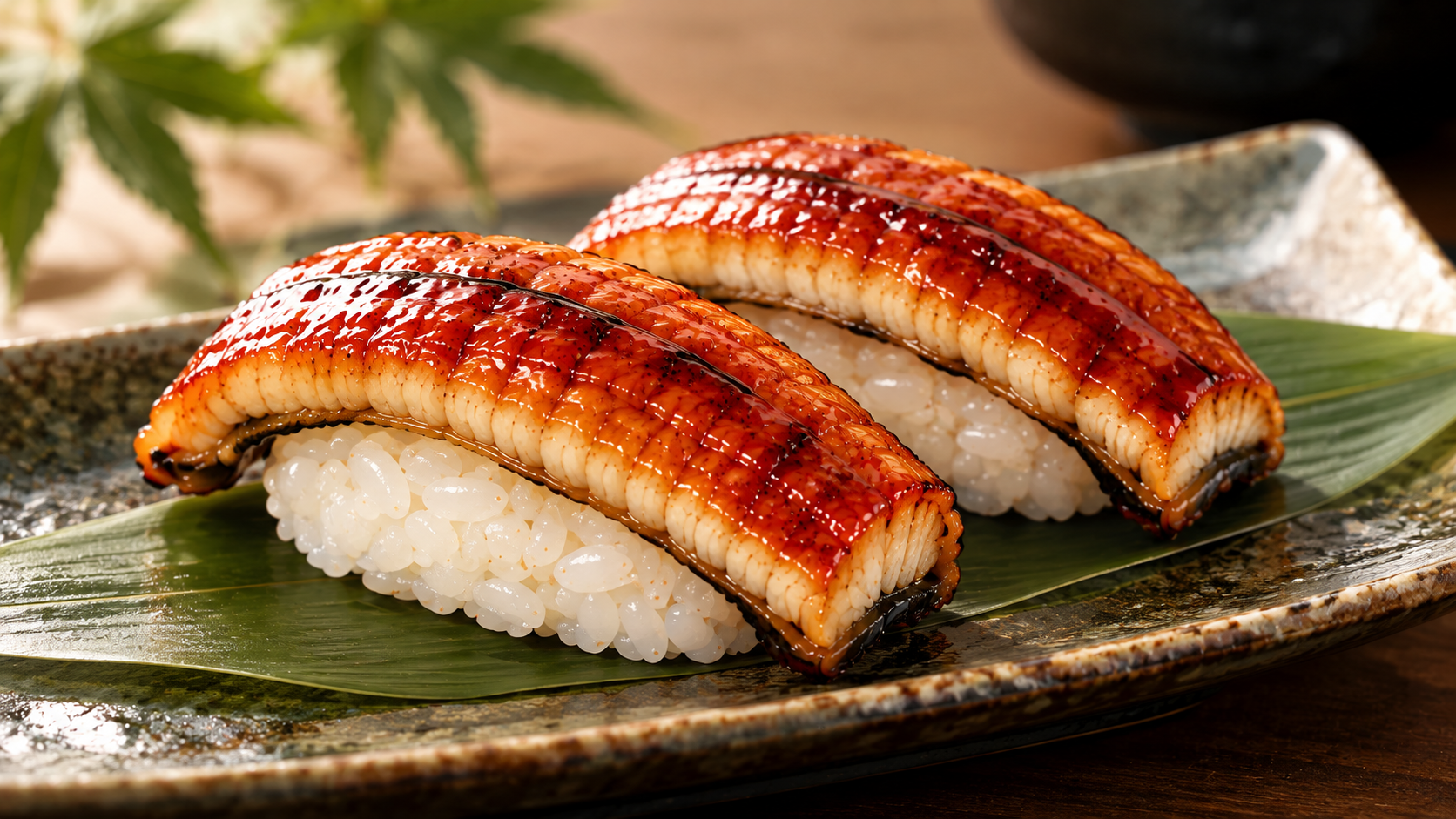
Two pieces of cooked-eel nigiri. This is an AI-generated food illustration, not a photograph of an actual restaurant or product.
What Makes Up the Nigiri
01 | Cooked eel over sushi rice
One piece consists of a compact, oval mound of seasoned rice supporting a cooked eel topping along its long axis. Keep individual rice grains as intact as possible while pressing just enough for the mound to hold together when lifted. The eel may extend slightly beyond the rice, but an excessively long piece is awkward to eat and more likely to slip. Kikkoman's ingredient guide describes eel sold as kabayaki or shirayaki and used in rice dishes.
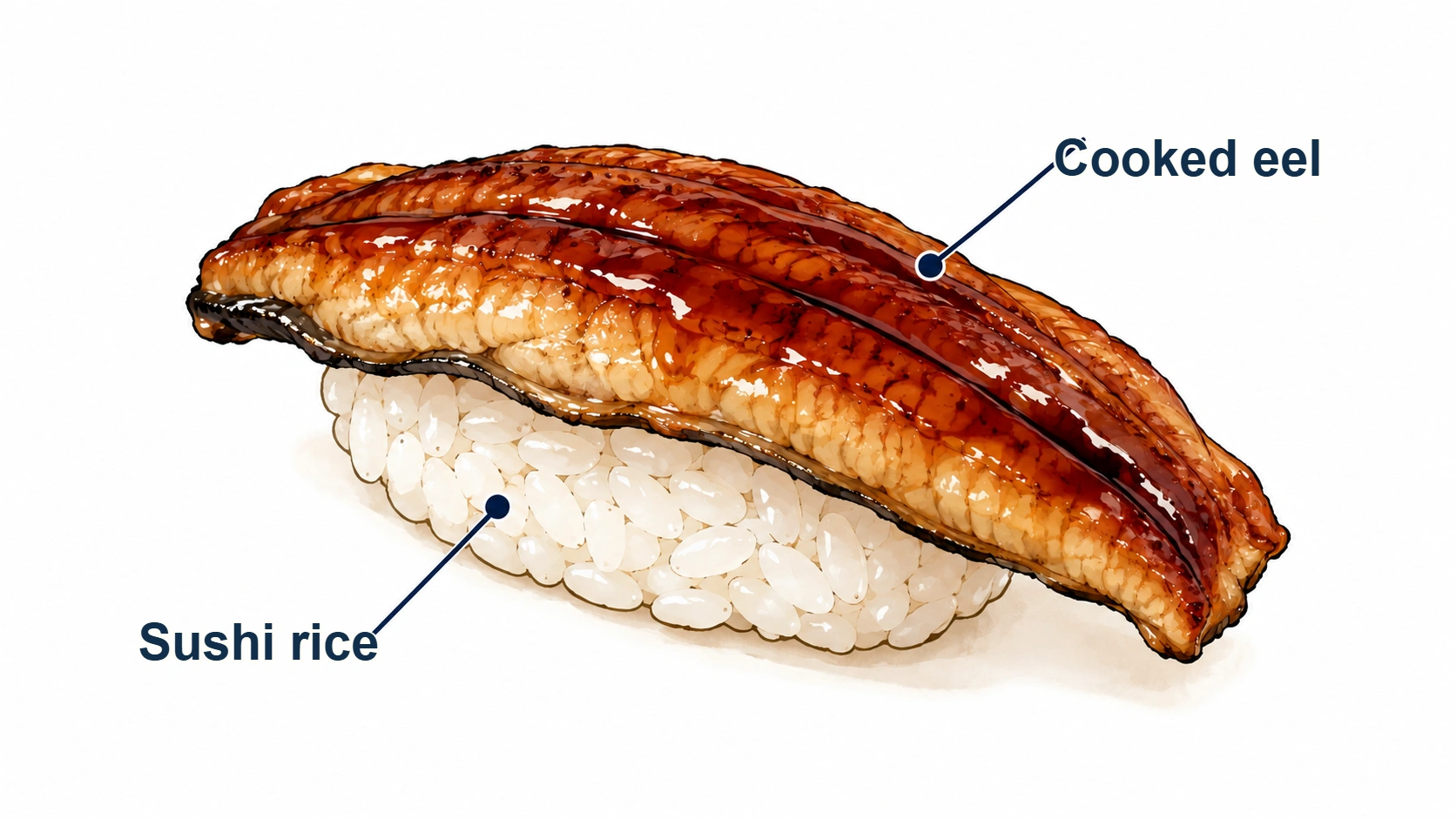
Diagram 01 | The basic placement of eel and rice.
02 | Not the same as raw-fish nigiri
The presentation resembles familiar fish nigiri, but the eel used here is already cooked kabayaki. Do not transfer the practice of slicing raw fish for sashimi directly to eel. When buying it, check the package for a cooked product, storage conditions, the use-by date and reheating directions. If the kabayaki is already coated in sauce, extra glaze may be unnecessary.
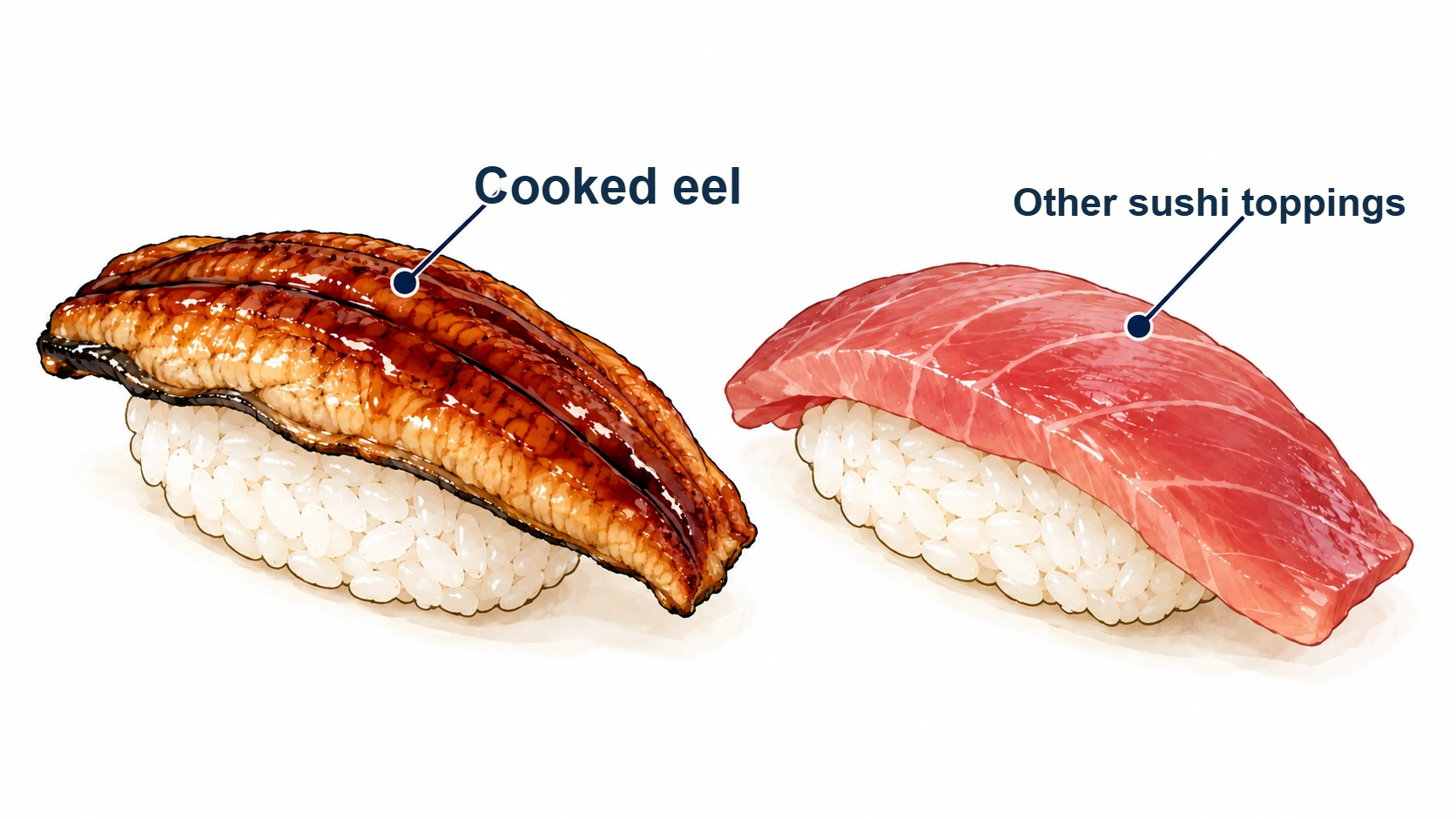
Diagram 02 | The raw fish shown for comparison is not raw eel.
Preparing the Eel
03 | Cut the topping to fit the rice
If the package calls for reheating, warm the precooked kabayaki according to its instructions before handling. In Kikkoman's separate eel-roll recipe, the eel is lightly warmed in a microwave and cut into strips. For nigiri, rather than copying those long strips, cut across the fillet into pieces that sit comfortably on one rice mound. Protect the delicate flesh as you cut, and adjust width and length to the rice instead of imposing a universal weight or measurement. MaxValu Tokai's home nigiri recipe for two people divides one commercially prepared eel into about ten slices, each roughly 2 cm wide, and forms ten rice portions. Those dimensions are specific to that recipe rather than a standard for every product.
Kikkoman official eel-roll recipe MaxValu Tokai: Home-style eel nigiri recipe
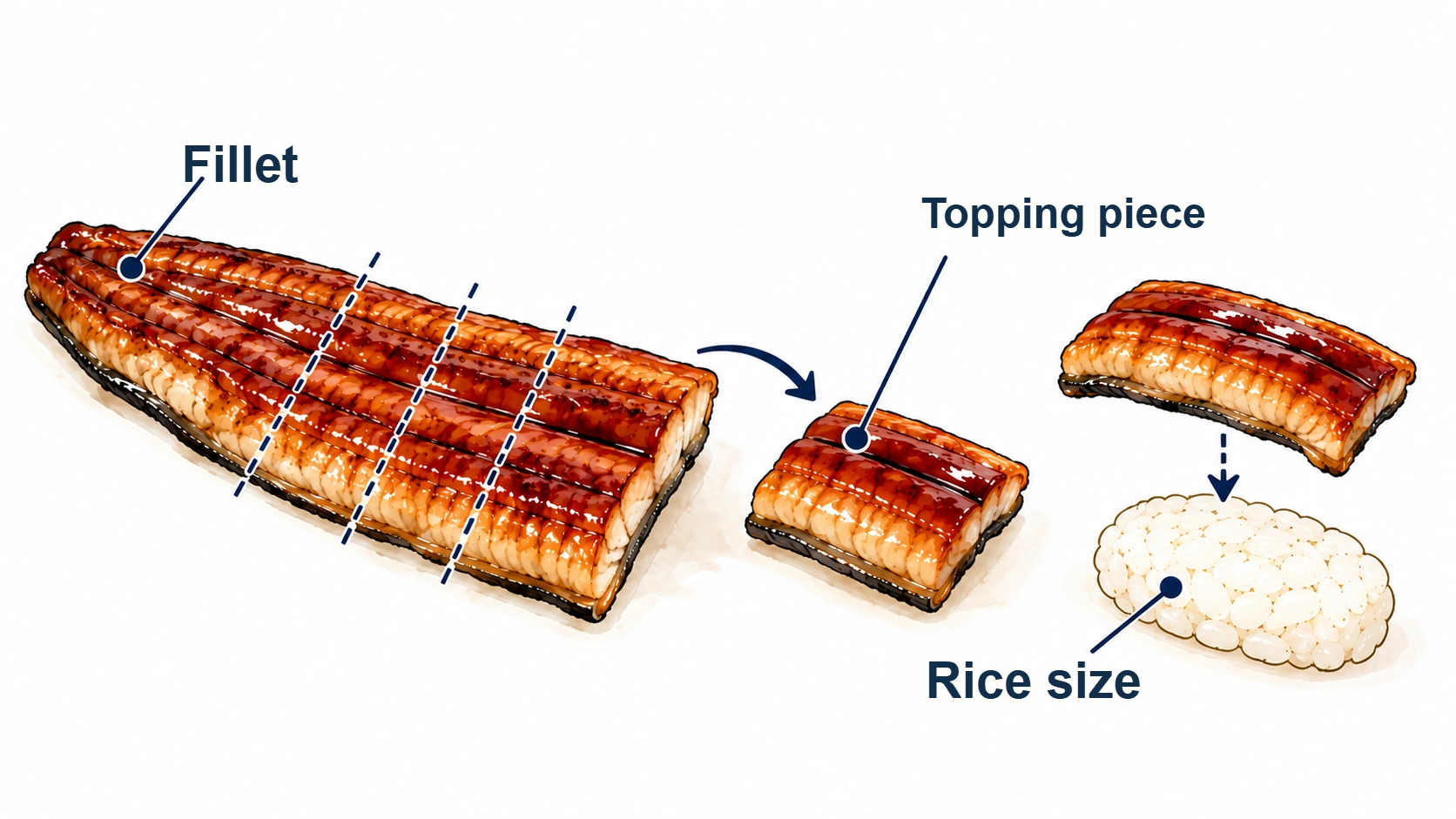
Diagram 03 | Size each topping relative to its rice mound.
04 | Look for small bones
Inspect each cut piece in good light for visible pin bones or tough areas. Where a bone can be removed, use a clean utensil and work gently without tearing the flesh. Processing does not guarantee that every fine bone is absent. Set aside doubtful pieces rather than forcing them into nigiri, and be especially careful when serving young children or people who may have difficulty with bones. Keep hands and cutting tools clean throughout. A Japan Consumer Affairs Agency bulletin dated 8 March 2023 reports an eel-bone incident involving a child and recommends carefully removing fish bones before serving children. Removing a bone from food before eating is not the same as attempting to extract one lodged in the throat; the agency advises against doing the latter yourself and recommends seeking medical care.
Japan Consumer Affairs Agency: Fish-bone safety bulletin (8 March 2023)
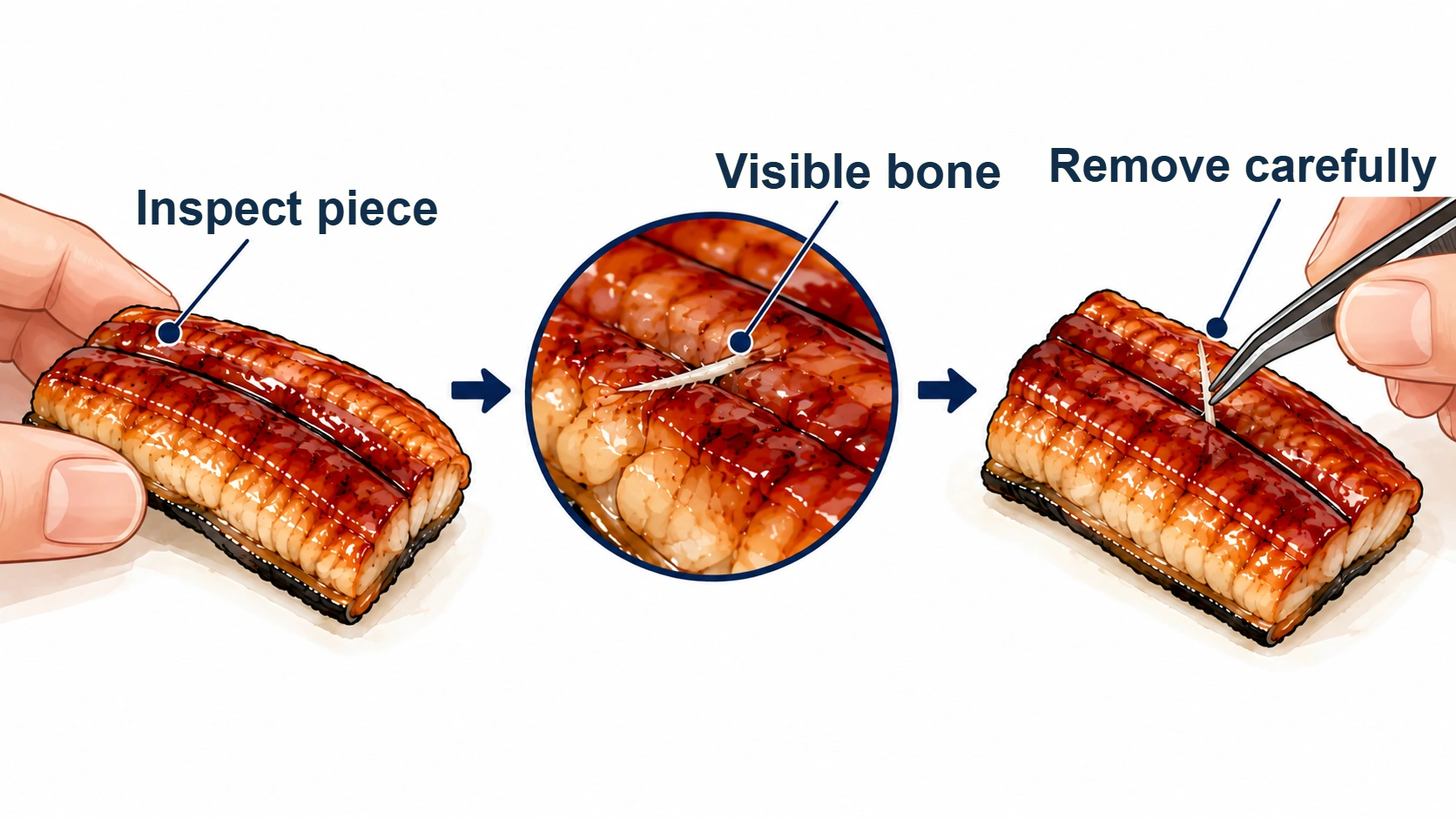
Diagram 04 | A schematic bone check; it does not certify the fish as bone-free.
Pairing It with Sushi Rice
05 | Season the rice and shape a small oval
Mix seasoned vinegar into warm cooked rice with a cutting and folding motion rather than crushing the grains. Once comfortable to handle, gently form small oval mounds, leaving a broad top for each piece of eel. The reference quantities below come from Kikkoman's official eel-roll recipe, which serves four; they are a starting point for rice seasoning, not a tested nigiri-specific yield or a claim about how many pieces you will make.
Kikkoman official eel-roll recipe Kikkoman measurement conventions MaxValu Tokai: Home-style eel nigiri recipe
Reference: Rice seasoning and optional ingredients
The rice amounts are taken from Kikkoman's four-serving eel-roll recipe, not measured in a nigiri trial. Neither eel-portion counts nor finished nigiri yield should be inferred from this table.
Kikkoman defines one Japanese tablespoon as 15 mL and one Japanese teaspoon as 5 mL. These volume measures have not been silently converted into grams.
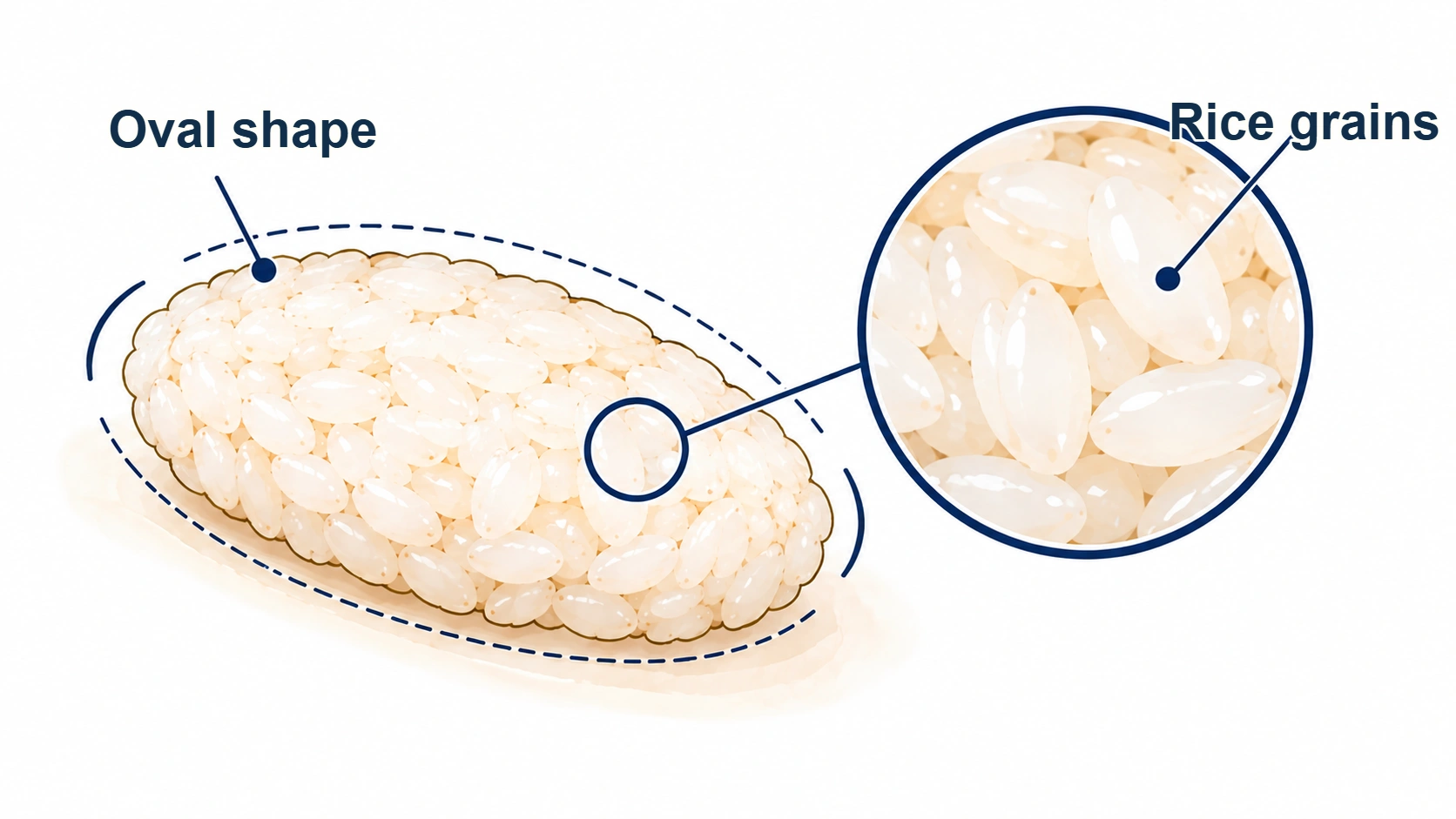
Diagram 05 | Form a small oval without crushing rice grains.
06 | Lay the eel lengthwise
Support the cooked fillet at both ends and place it centrally along the rice mound's long direction. Gently steady the edges with your fingertips so the fish and rice meet without gaps. Squeezing hard would flatten the grains and break the tender eel, so stop when the piece holds together and is easy to pick up. At home, assembling a few at a time makes it easier to adjust their shape.
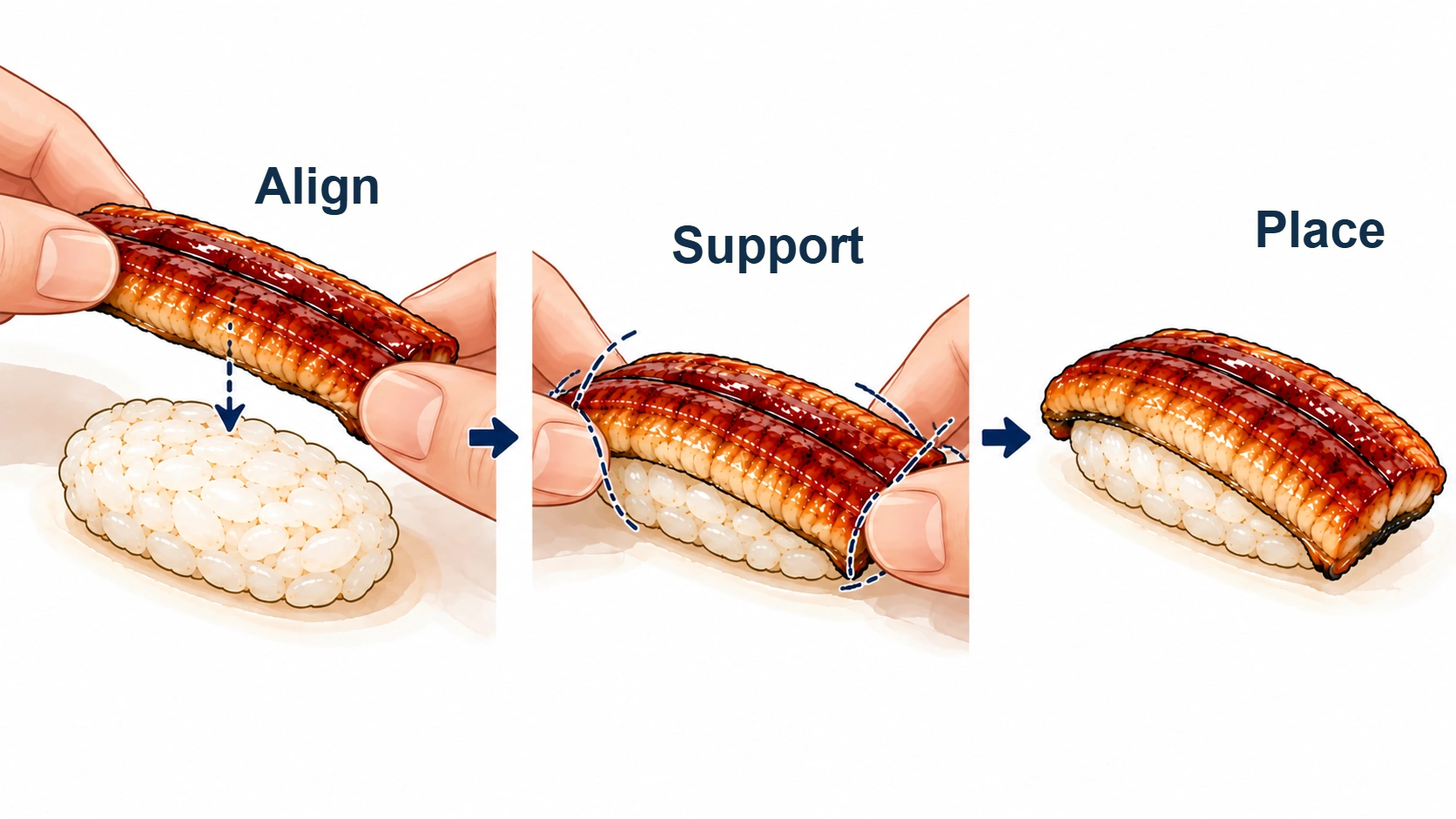
Diagram 06 | Support the ends and gently settle the topping.
07 | Add a nori band only if useful
If a topping tends to slide, a narrow strip of toasted nori can be wrapped once around the center to hold the fish and rice together. This seaweed band is optional support, not a mandatory component of unagi nigiri. Keep it narrow enough to leave the cooked surface and rice visible. Wrap without pulling tightly or distorting the rice mound.
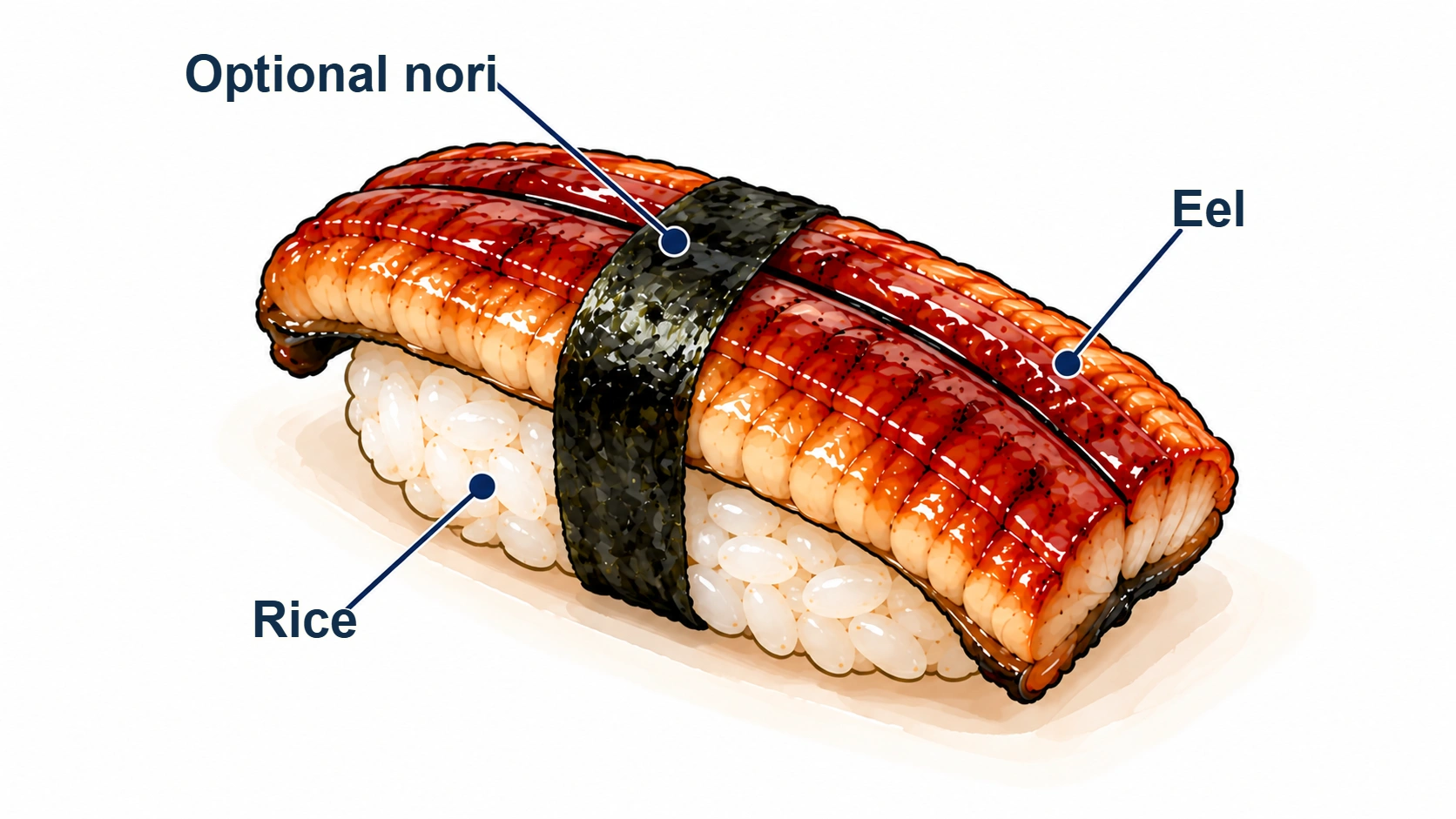
Diagram 07 | A nori band is an optional aid.
Finishing and Serving
08 | Apply only a little glaze
Many cooked kabayaki products already carry a sauce coating, so inspect the surface before adding anything. If you want a little extra shine, use a clean fine brush to apply a thin film of glaze to the eel alone. Flooding the rice with sauce can loosen the grains and overwhelm the balance. Sauce concentration varies by product, so there is no single standard quantity to brush onto every piece.
MaxValu Tokai: Home-style eel nigiri recipe
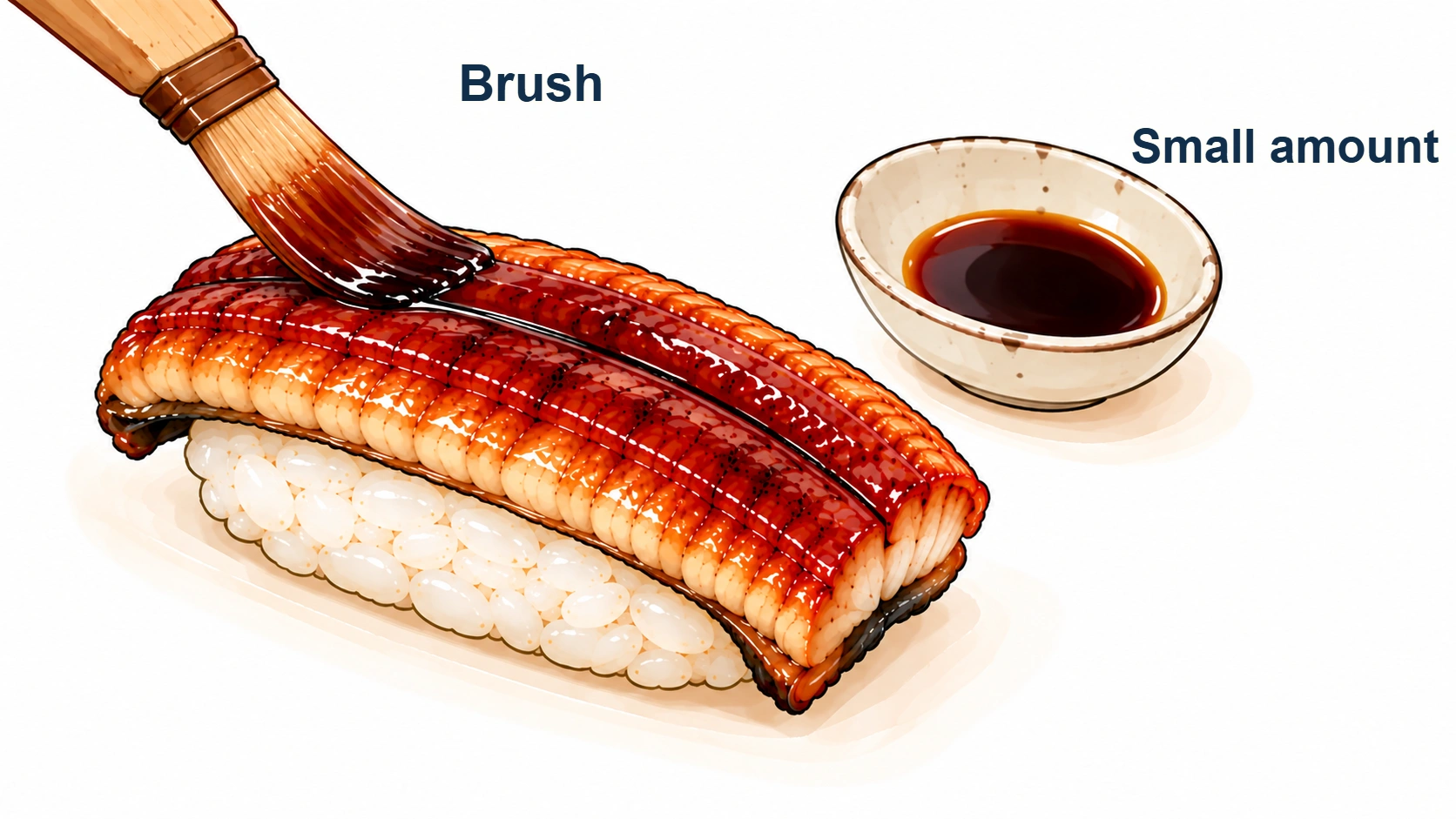
Diagram 08 | Add glaze sparingly, if needed.
09 | Serve soon after assembly
Place the completed nigiri on a clean plate and serve as promptly as practical. Japan's Ministry of Health, Labour and Welfare advises handwashing, avoiding extended room-temperature exposure for prepared food, and keeping the refrigerator at approximately 10°C or below. These are general household food-safety guidelines, not a specific shelf-life for any packaged kabayaki. If you pause preparation or have leftovers, cool and store them appropriately under the product instructions; discard food whose condition is doubtful.
Japan MHLW: Six home food-poisoning prevention points
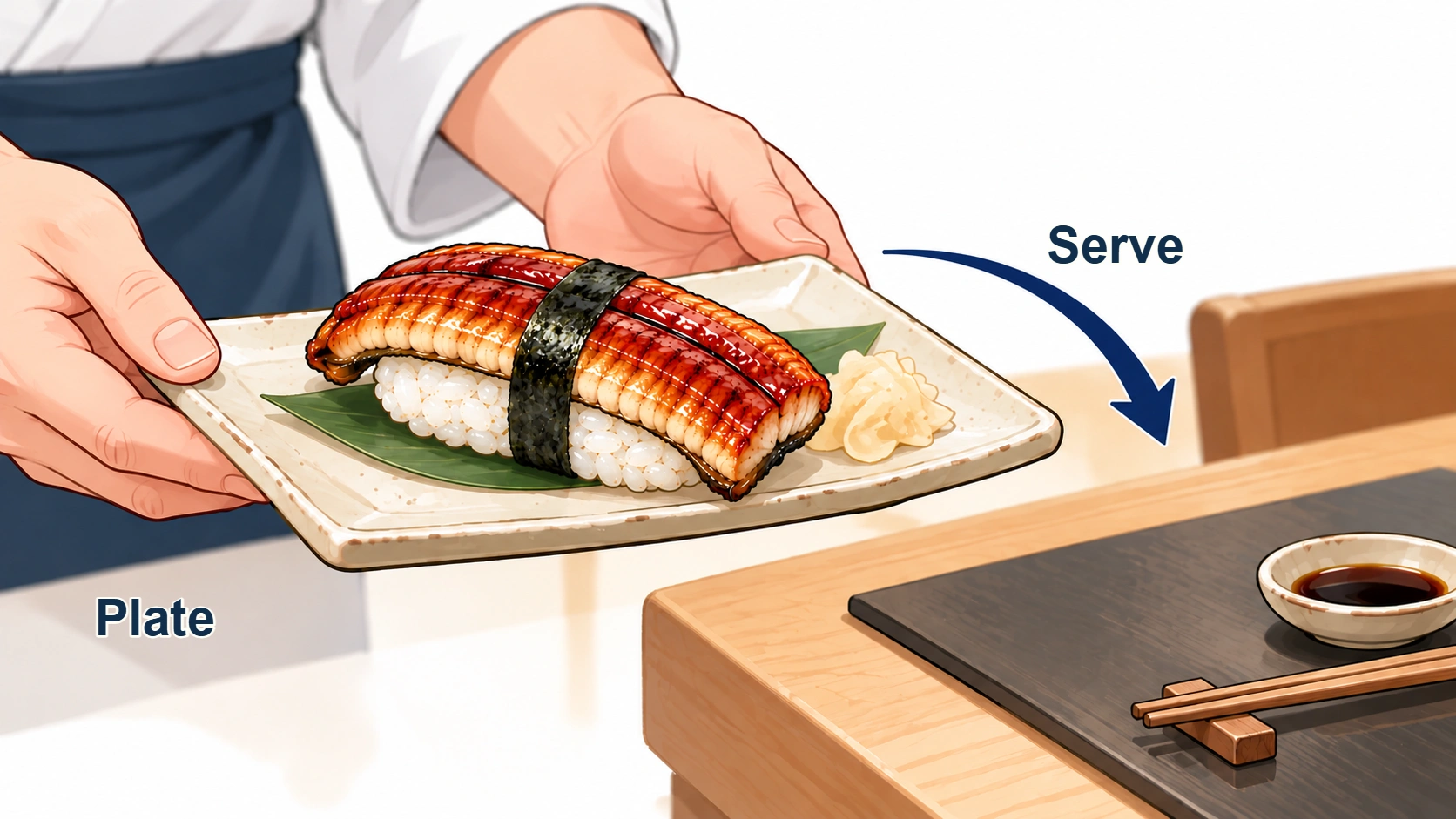
Diagram 09 | Plate cleanly and avoid prolonged standing.
Sources and their scope
Kikkoman eel ingredient guide — Explains kabayaki/shirayaki products and household storage advice.
Kikkoman official eel-roll recipe — Primary recipe for gently warming cooked eel and mixing seasoning into 300 g of warm rice. It describes rolls, not the nigiri assembly method developed here.
Kikkoman measurement conventions — Defines Japanese tablespoons as 15 mL and teaspoons as 5 mL.
Japan MHLW: Six home food-poisoning prevention points — General guidance on handwashing, cross-contamination, refrigeration and avoiding long periods at room temperature.
MaxValu Tokai: Home-style eel nigiri recipe — A direct recipe for nigiri using packaged kabayaki and sushi rice. Its two-serving example uses one eel, about ten 2 cm slices and ten rice portions; these are recipe-specific quantities.
Japan Consumer Affairs Agency: Fish-bone safety bulletin (8 March 2023) — Bulletin Vol. 621 describes a child's eel-bone incident, prevention through careful bone removal and guidance on bones lodged in the throat.
Related articles