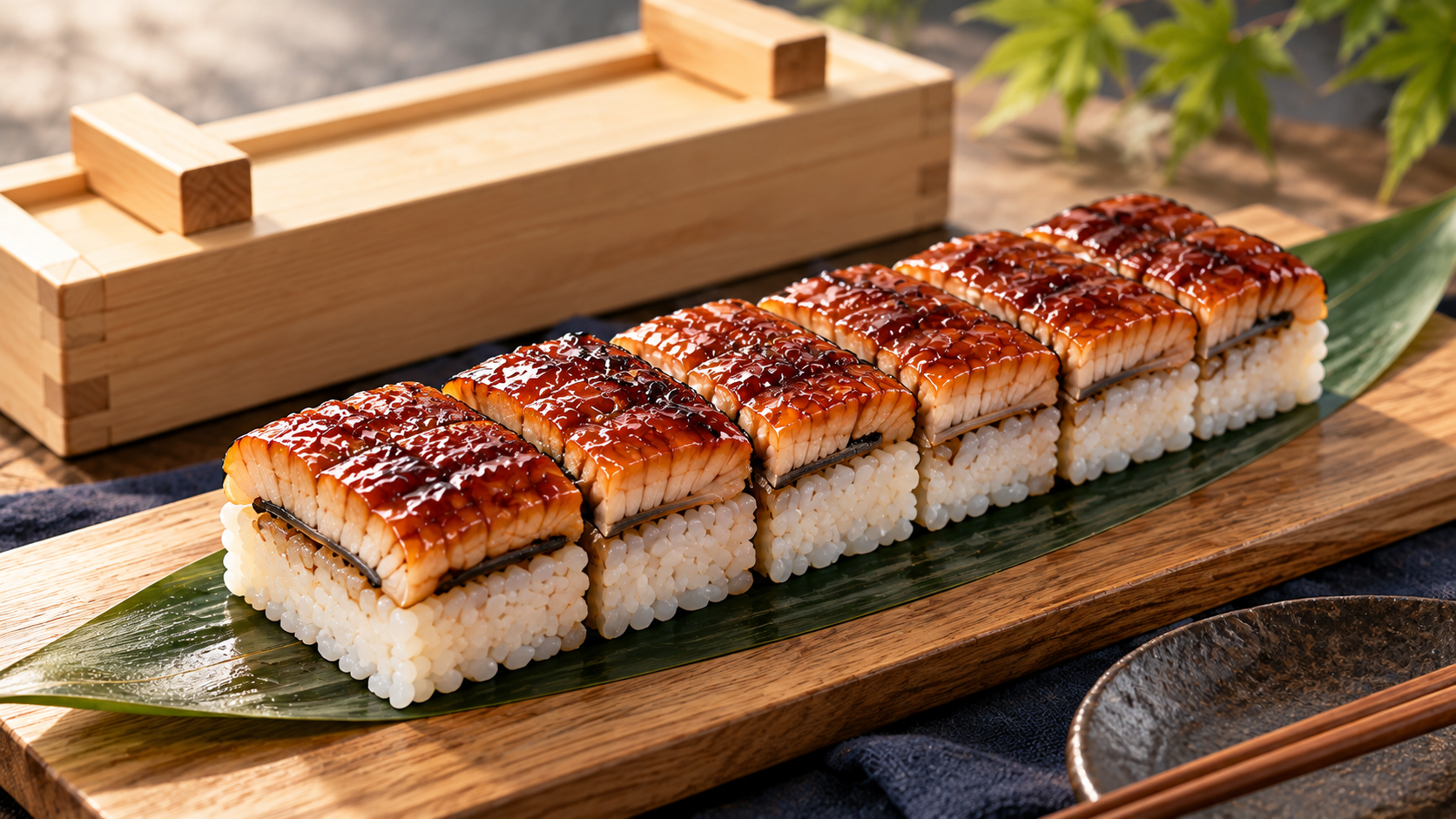
There are three practical ways to make unagi onigiri, Japanese rice balls with cooked eel: mix finely cut kabayaki into the rice, enclose a larger piece in the centre, or grill a shaped rice ball. The critical differences are the size of the eel pieces, how the rice holds the filling and how much moisture the sauce adds. Choose the structure for the way you plan to eat it. This is an editorial adaptation of published recipes, not a recipe developed or tested by this site.
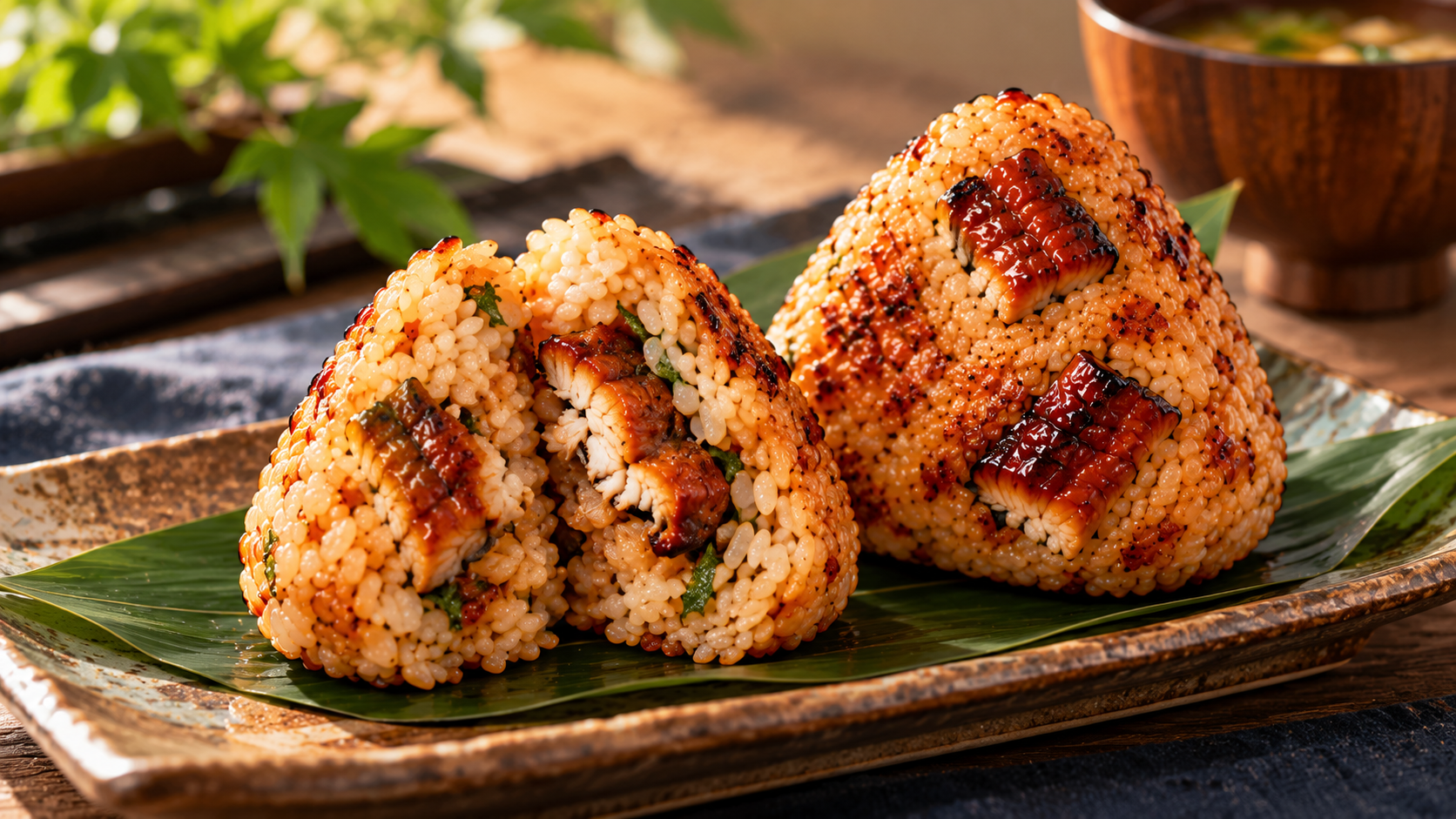
Serving illustration, not a photograph of a restaurant product.
Three ways to make eel rice balls
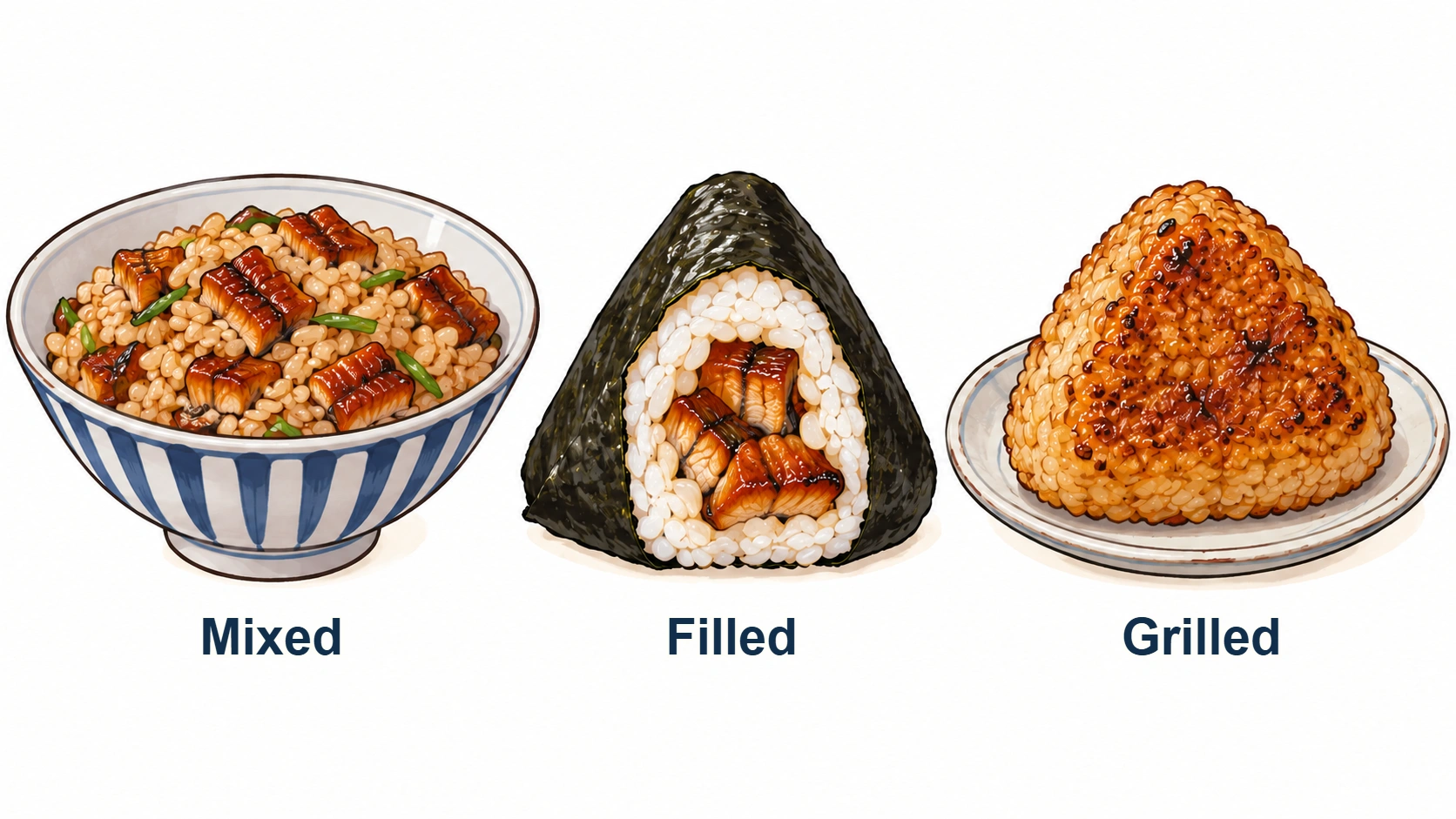
Diagram 01: Three constructions, illustrated schematically; not a quantitative comparison.
Ingredient quantities: what the source actually says
Kikkoman's eel-and-egg mixed-rice recipe uses 100 g of cooked kabayaki eel with sauce, 200 g of warm cooked rice and 1 Japanese tablespoon of toasted white sesame seeds for two servings. Its complete recipe also contains egg, cucumber, soy sauce and mirin. Those amounts belong to a mixed-rice dish, not a validated rice-ball recipe or a promised number of onigiri. Kikkoman defines one Japanese tablespoon as 15 mL; that is a volume measure, not 15 g of sesame seeds (measurement guide).
A separate Kikkoman mixed-eel-rice recipe cuts the kabayaki into 1 cm cubes. Use smaller pieces when mixing and pieces large enough to remain recognisable when making a centre filling. Follow the instructions on the purchased cooked eel for reheating; check for remaining bones and avoid handling food that is still too hot.
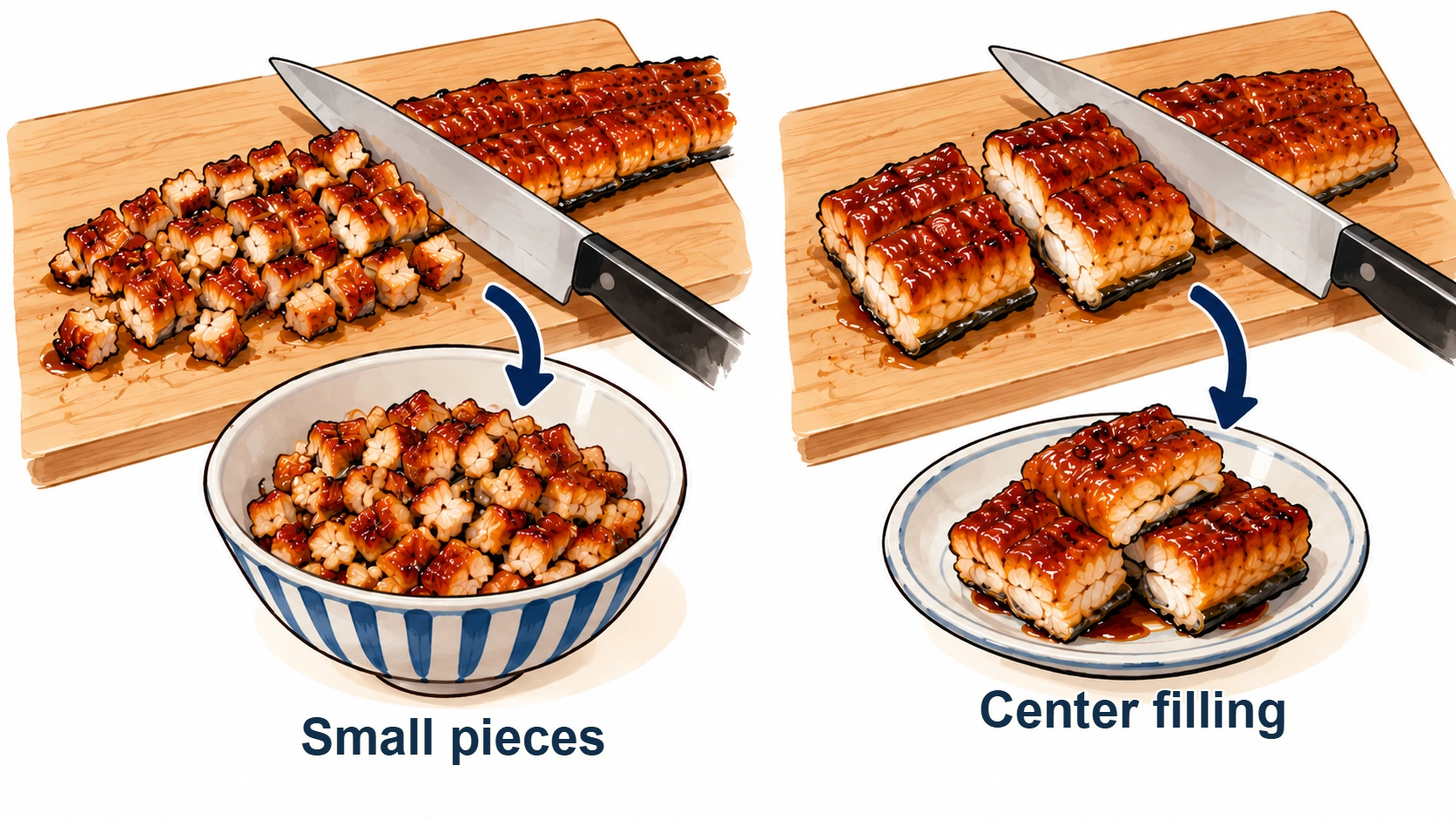
Diagram 02: Different cutting approaches, not a universal required size.
Mixing and enclosing the filling
Mixed onigiri: fold without mashing
Using clean equipment, cut properly heated kabayaki into small pieces. The source recipe's 1 cm cubes are a reference, not a mandatory size for every rice ball.
Add eel and a modest amount of sauce to warm rice. Turn the rice over from the bottom with a rice paddle rather than beating it; too much sauce may make shaping difficult.
Correct any uneven distribution while keeping the grains visible. If shaping the mixture into rice balls rather than serving it in a bowl, work through clean food wrap or use suitable disposable gloves.
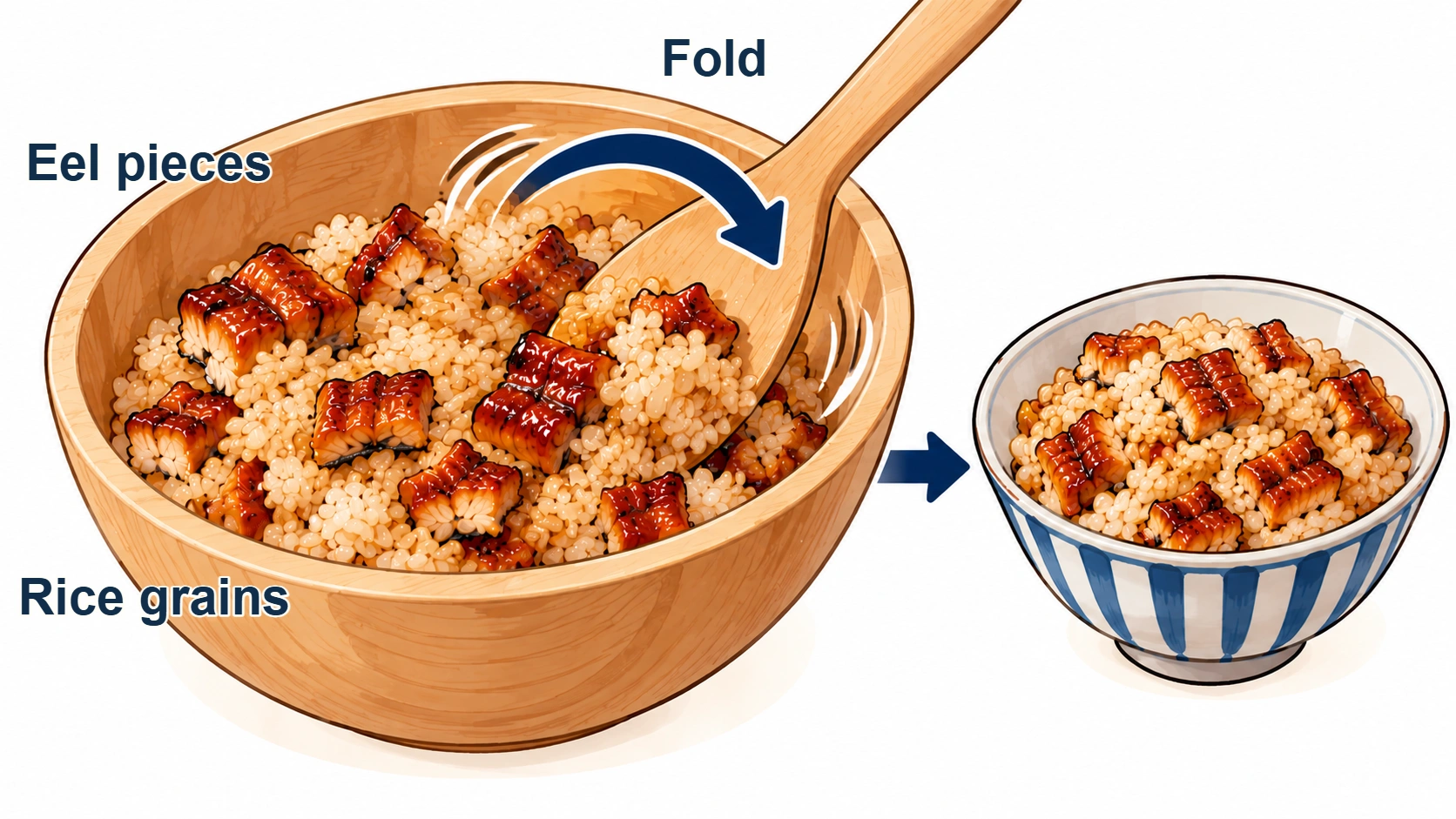
Diagram 03: Folding motion rather than crushing the grains.
Filled onigiri: keep the centre enclosed
Spread rice on a piece of clean food wrap, put cooked eel at its centre, and cover the top and sides with rice. Close the joins so that a continuous rice shell surrounds the filling. An oversized piece of eel or excess liquid can break through a seam. If you cut the rice ball to show the centre, use a clean knife and eat it promptly.
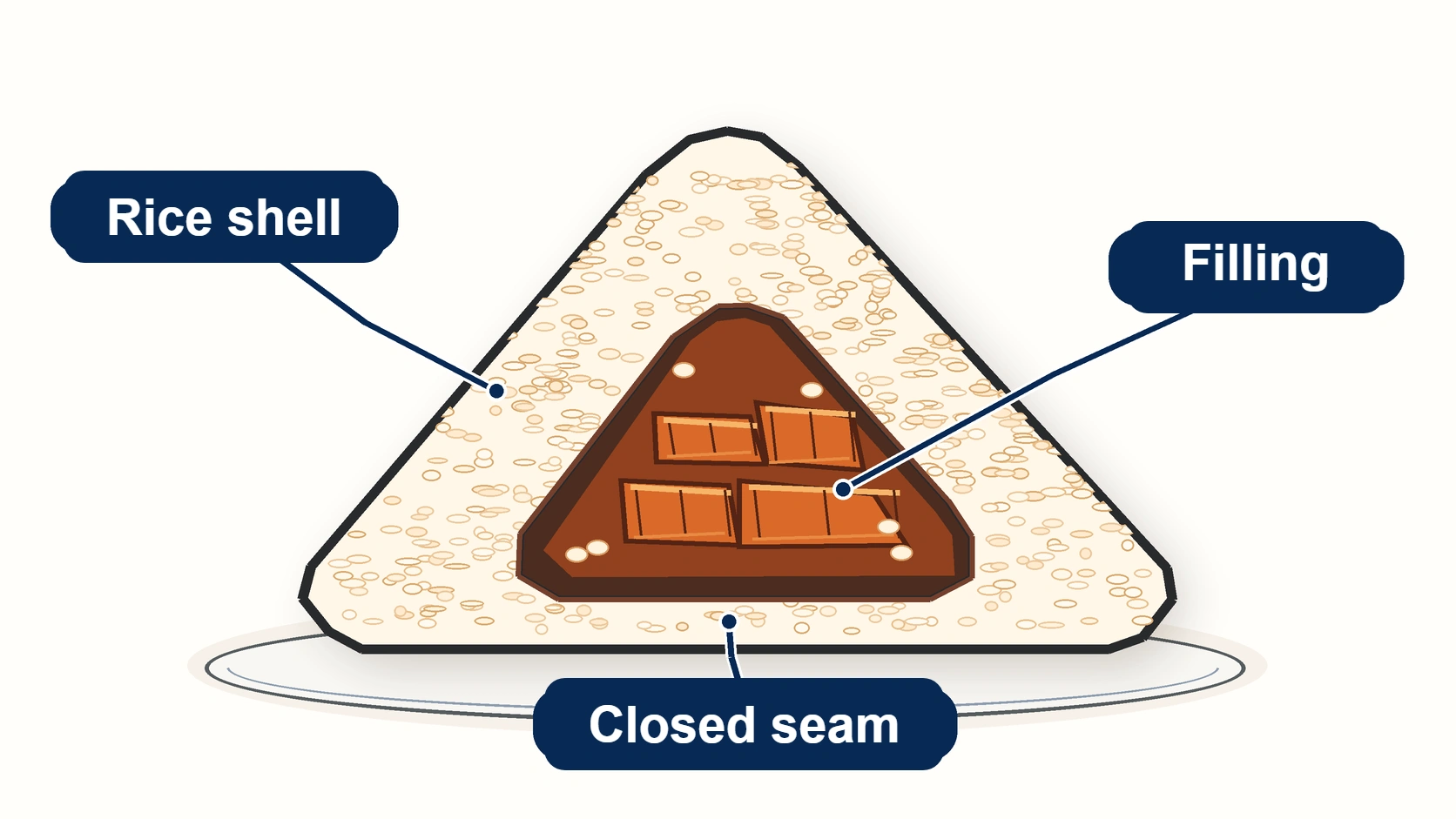
Diagram 04: Schematic showing the central filling, rice shell and closed seam.
Shaping: clean hands and gentle pressure
Wash your hands, then use clean food wrap or food-safe disposable gloves. Build the corners gradually while supporting the broad faces instead of squeezing repeatedly until the grains collapse. The Japanese Ministry of Agriculture's lunchbox guidance recommends wrap or disposable gloves to reduce hand-borne contamination. Gloves do not replace handwashing.
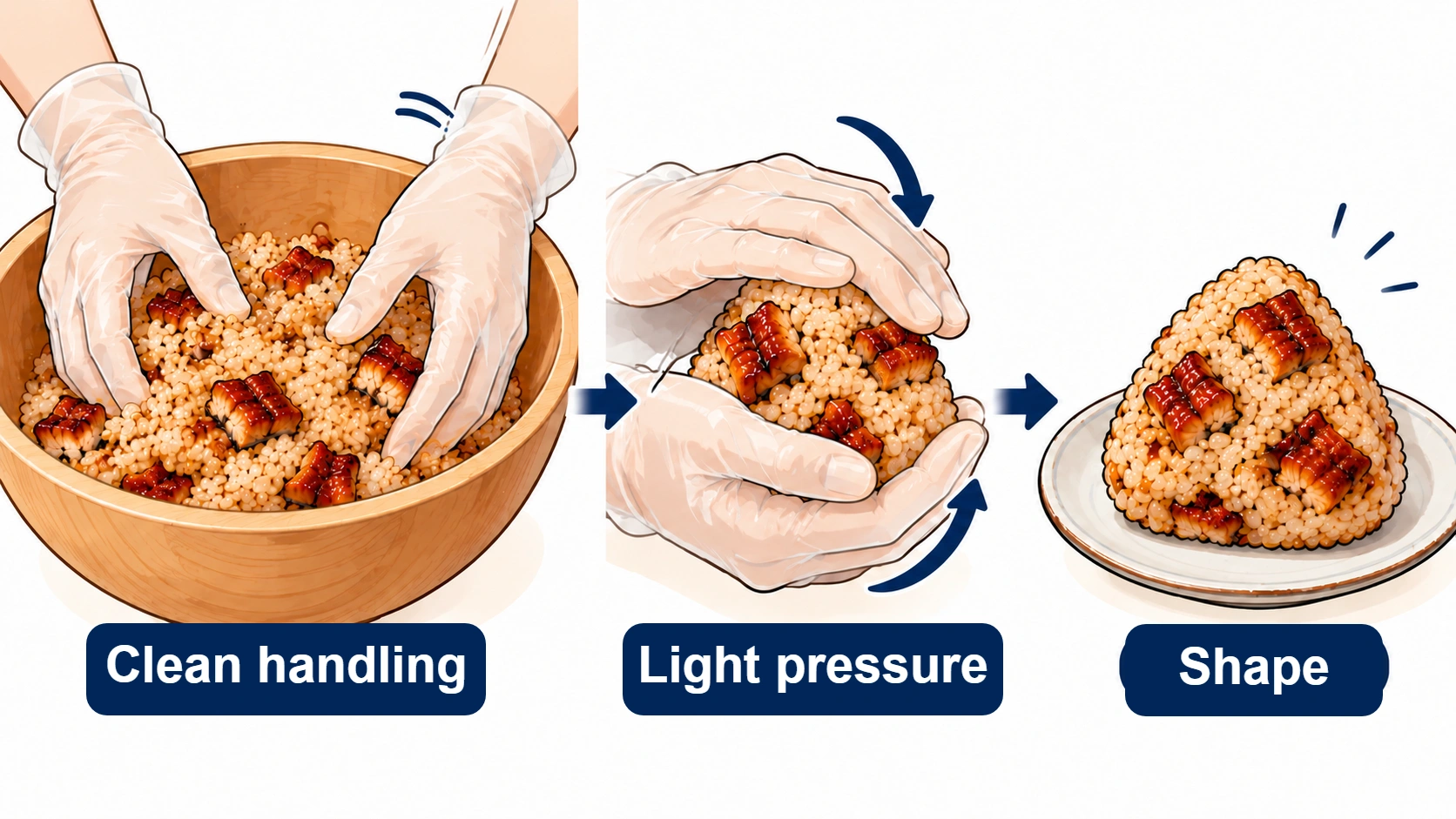
Grilled eel onigiri
Let the surface set before turning
Form mixed or filled onigiri with two reasonably flat faces so they sit steadily in a frying pan.
Spread a thin coating of oil in the pan and brown the exposed rice. Avoid repeatedly moving the rice ball before a crust forms; adjust the heat if it begins to burn.
Once the first face has browned, turn carefully with a spatula and cook the opposite face. Do not assume a browned surface means a cold eel centre has heated through.
This technique adapts the order of operations in Kikkoman's plain grilled-rice-ball recipe, which browns both sides before adding soy sauce. Its oil quantity and cooking time have not been validated for eel-filled onigiri.
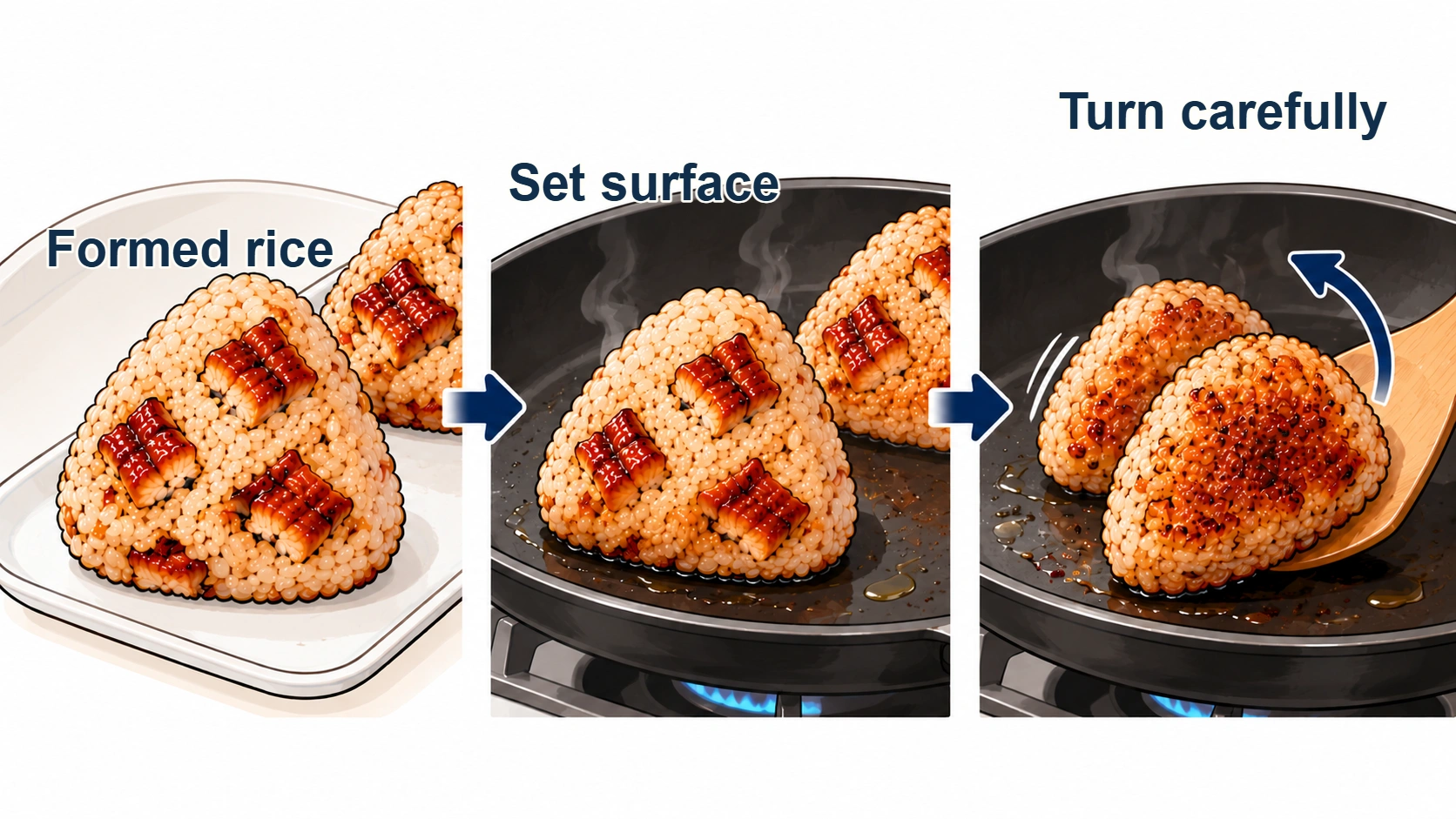
Diagram 06: The pan-cooking sequence; it does not depict measured cooking temperatures or times.
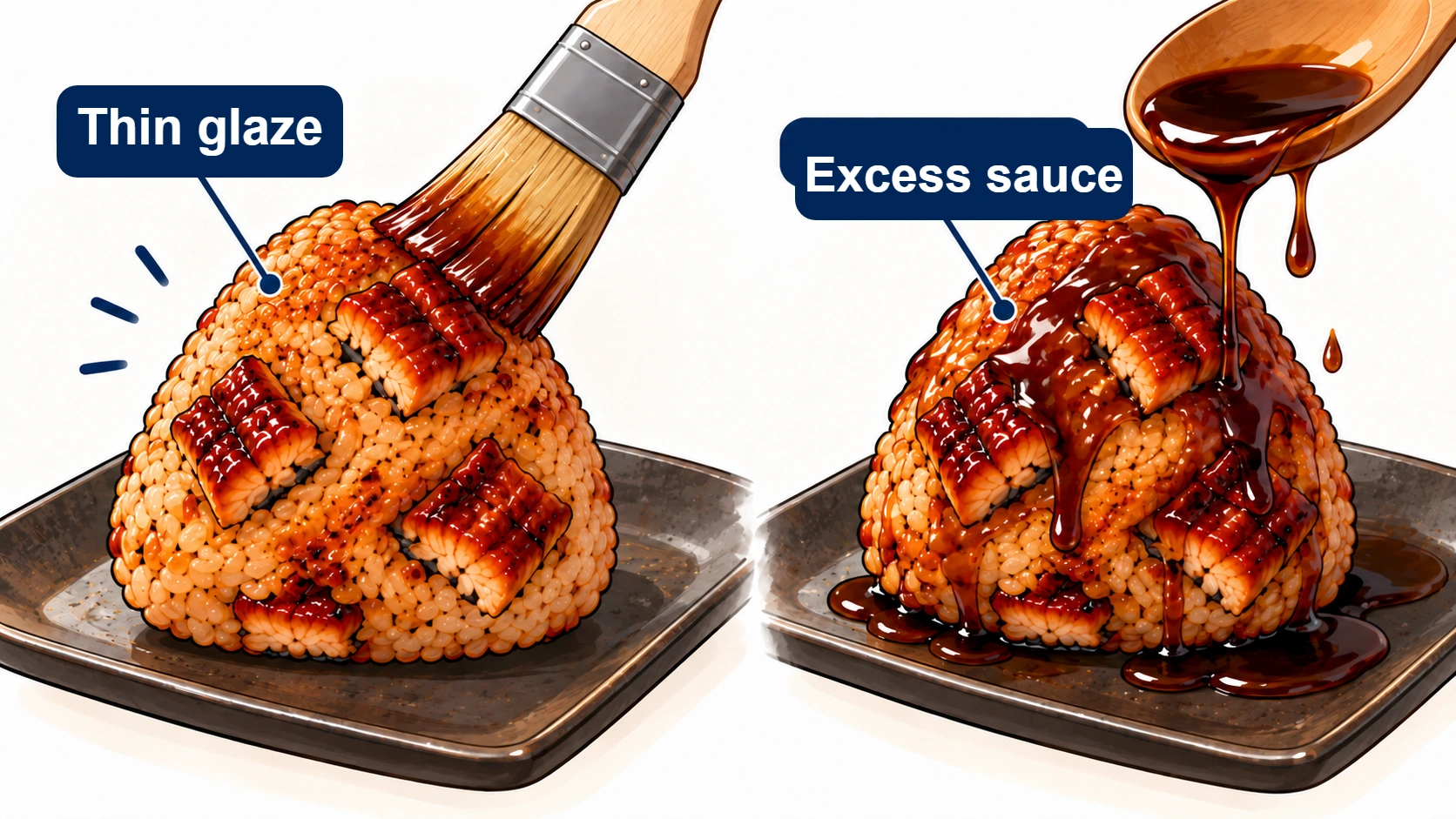
Brush on sauce rather than soaking the rice
Pouring in a large amount of sauce can leave the outside wet, encourage sticking or make the shape less stable. For a manageable finish, apply a light coat with a brush and assess the surface before adding more. Another Kikkoman grilled-onigiri recipe brushes soy sauce onto one side, grills it and then brushes the other side. That original recipe does not contain eel and is not evidence of an experimentally optimal amount of eel sauce.
At the table and when transporting
Serving immediately
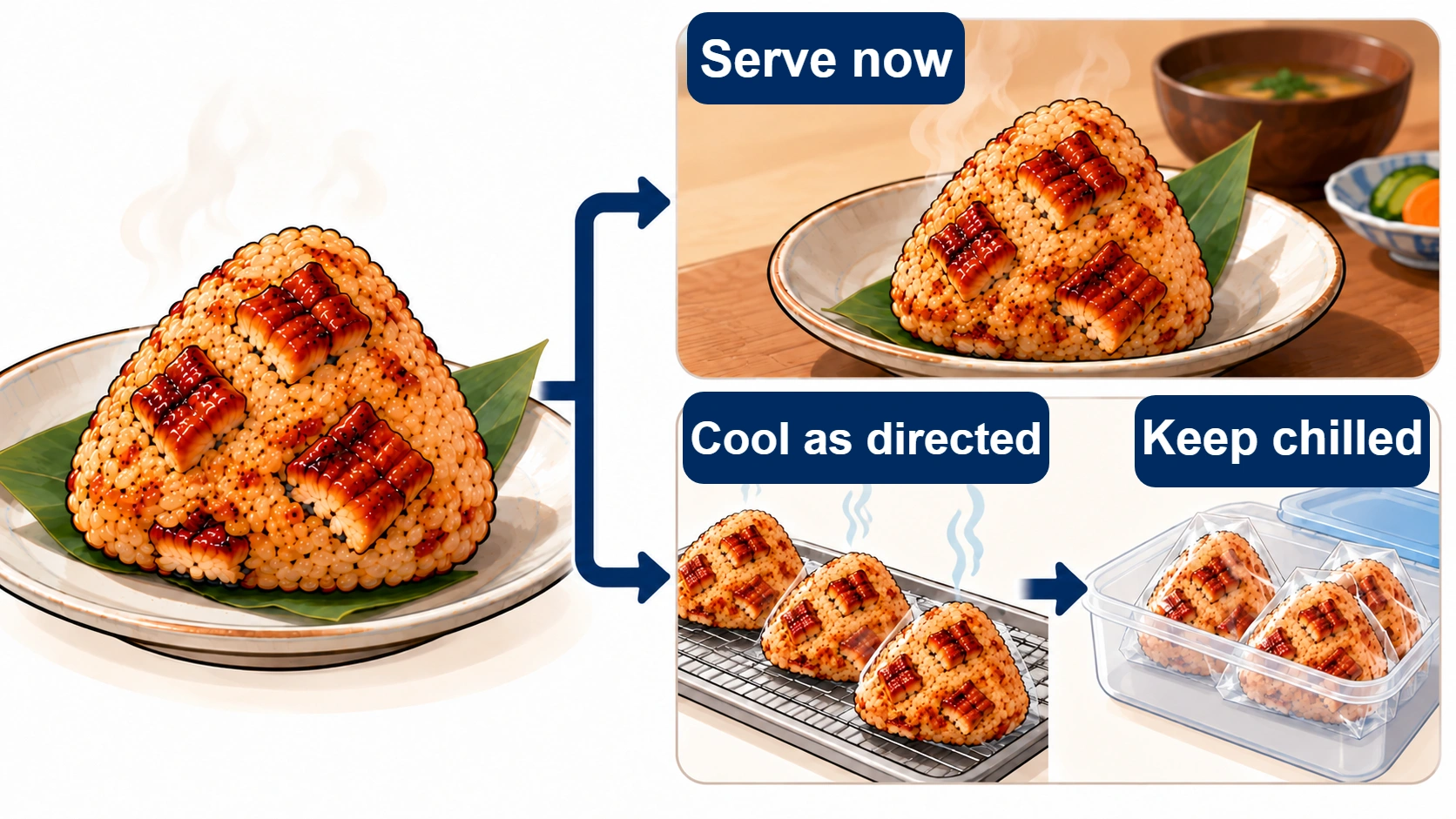
After the rice ball is cooked and shaped, place it on clean tableware and eat promptly. Extra sauce or garnishes can be offered separately until serving so the exterior does not become unnecessarily wet. Leaves and dishes in the illustrations are styling examples, not tested food-safety measures.
Transport: cool, separate and keep chilled
Clean hands and surfaces before preparation, and shape the rice with wrap or disposable gloves.
Packing warm rice and fillings in a sealed box creates condensation. For a lunchbox, cool food sufficiently before packing in a clean container, without leaving it at room temperature for an extended period.
Keep watery extra fillings and sauce in separate containers; wrap individual portions as appropriate.
Use ice packs and an insulated bag for transport, keep the food somewhere cool and eat promptly. These are general precautions from the Ministry of Agriculture's lunchbox instructions.
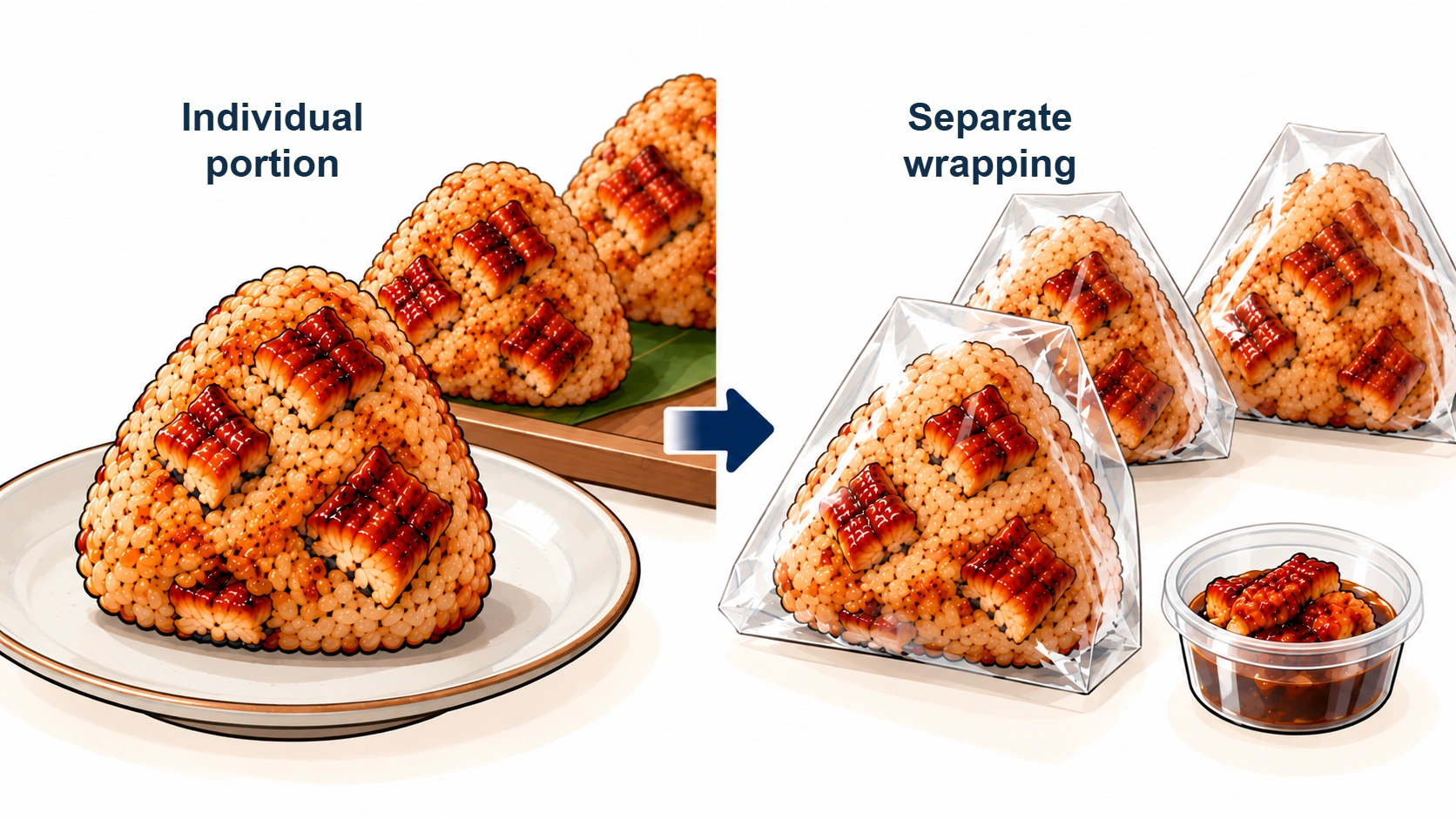
Diagram 08: Separation of portions and moist additions; wrapping alone cannot guarantee safety.
No universal room-temperature or refrigerator shelf life
The Japanese Ministry of Health's six household food-poisoning prevention points advise prompt refrigeration of foods requiring it, give 10°C or below as a refrigerator temperature guideline and warn against leaving prepared foods at room temperature for long periods. That 10°C guideline does not establish how many days eel onigiri will remain safe. Follow a commercial product's labelling and the manufacturer's directions; discard food if its condition is doubtful. Do not infer a universal number of hours at room temperature or days in the fridge for homemade rice balls.
Sources
Kikkoman, Eel and egg mixed rice — source quantities for two servings and preparation of cooked eel.
Kikkoman, Mixed eel rice — 1 cm cutting guidance and combining eel with rice.
Kikkoman, Grilled rice balls — basic method of browning both sides in a frying pan.
Kikkoman, Grilled rice balls with whole-soybean soy sauce — brushing seasoning onto each face.
Kikkoman, Recipe measurement conventions — one Japanese tablespoon equals 15 mL.
Japan's Ministry of Agriculture, Kinki Regional Agricultural Administration, Food-poisoning prevention when preparing lunchboxes — clean shaping, cooling, separation of liquids and cold transport.
Japan's Ministry of Health, Labour and Welfare, Six steps for preventing food poisoning at home — household storage, handwashing and room-temperature precautions.
Sources checked on 31 October 2026. Images are editorial illustrations, not photographs of tested food, products or storage experiments.
Related articles