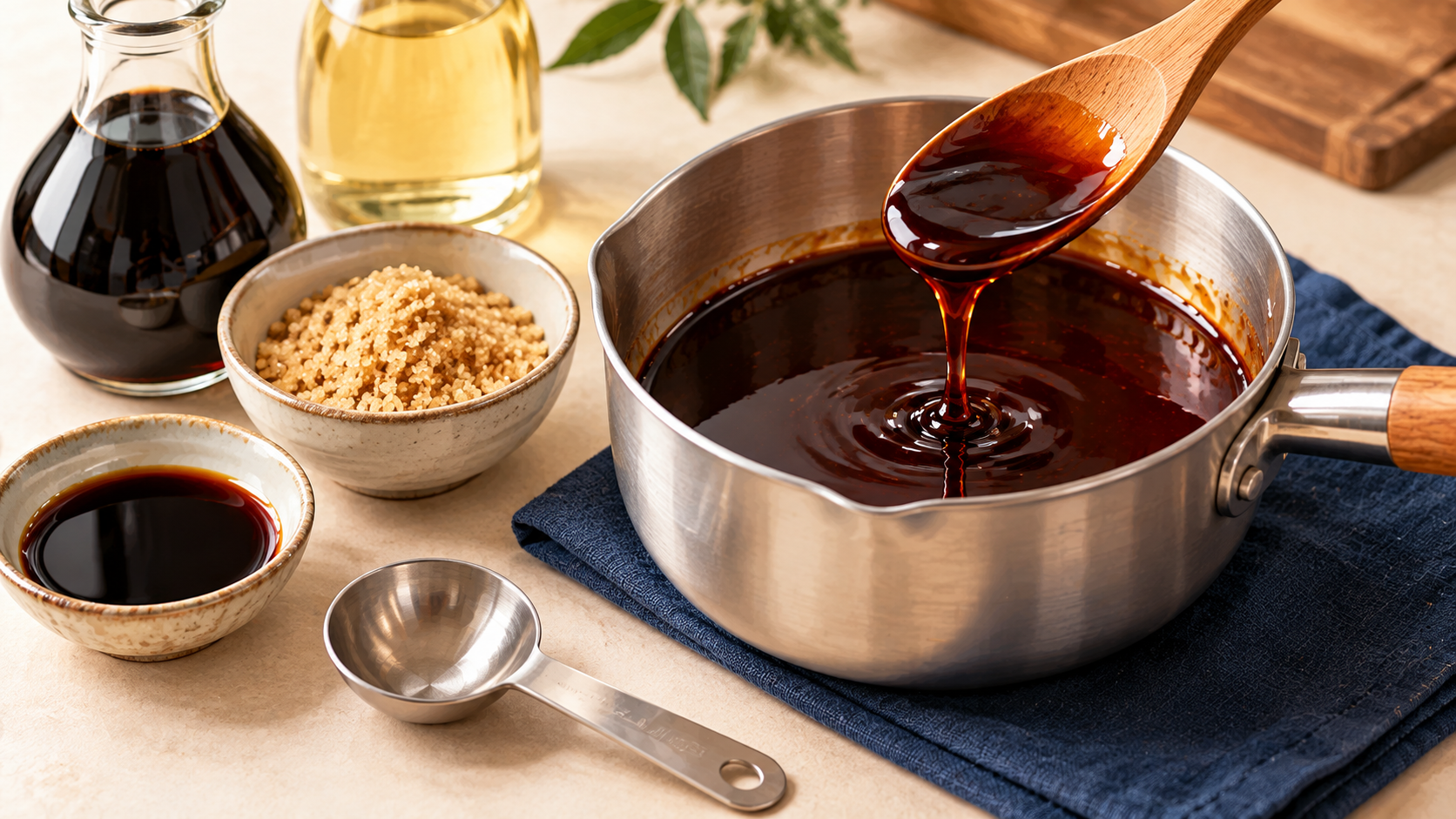
Urawa's eel culture grew from a relationship between local waterways and people visiting the area. Today, Saitama City recognizes Urawa unagi as a traditional industry alongside Iwatsuki dolls and Omiya bonsai.
From leisure visitors to a local specialty
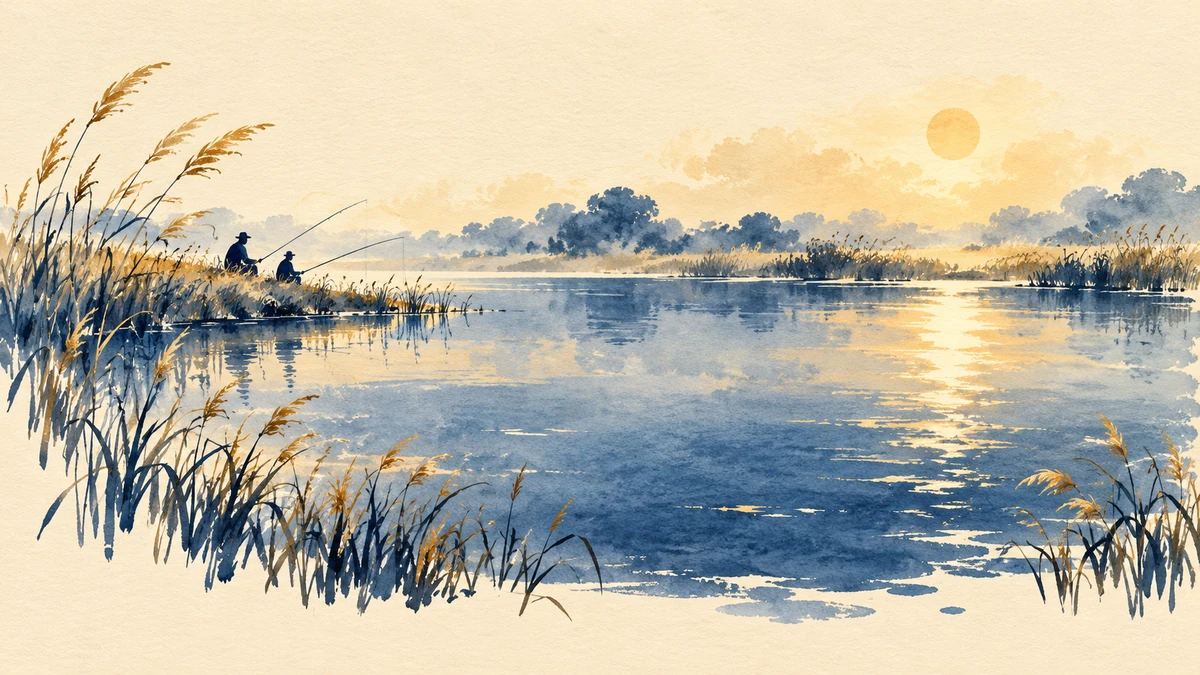
The city's account traces the tradition to the Edo period, when visitors came to a wetland-rich area for activities such as fishing. Eel meals gained a reputation, attracting travelers using the Nakasendo road.
The interesting connection is not simply that eel once lived here. It is also that people came here to eat, and restaurants continued the tradition.

Steaming and grilling, continued today
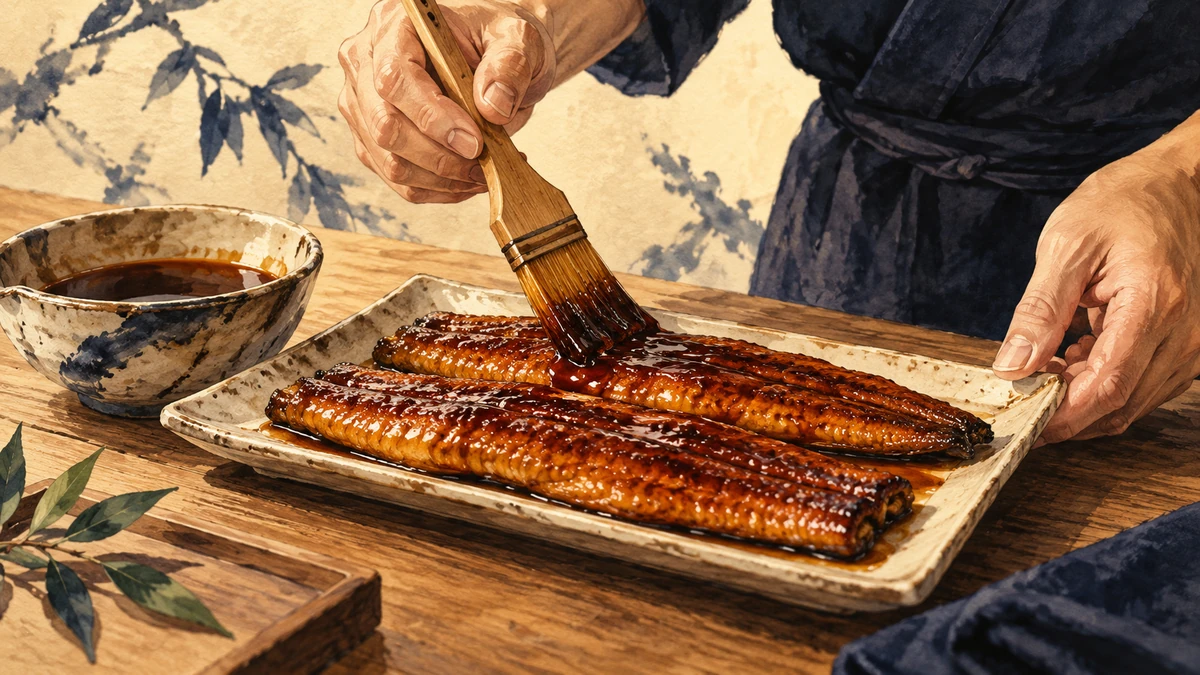
A restaurant's account of its cooking can make that tradition more tangible. Masuya describes a Kanto-style preparation that includes steaming before the eel is finished with sauce. Alongside the history, the relationship between steaming and grilling offers another way to appreciate the meal.
Use restaurant descriptions to find your kind of meal
The city's tourism association highlights Masuya's sauce and Kishu binchotan charcoal grilling. Musashino's own website suggests ginger soy sauce with its shirayaki.
Decide what you want from the meal: sauced kabayaki, a chance to try shirayaki, or time for a longer sit-down visit. Then check the restaurant's current menu and arrangements.
Choose a dish, not just a famous name
For a meal centered on eel and rice, look at the unaju options. To explore the eel itself, read the kabayaki and shirayaki descriptions. Condiments are part of the experience too: a restaurant's suggested pairing can guide the first bite.
Check current visiting arrangements and allow some time for the meal. Reading a little local history before choosing a dish turns the visit into a chance to explore a continuing food culture.
Quick questions
- Is Urawa the birthplace of kabayaki?
- The city's account explains how eel became a local specialty in Urawa. That is different from establishing one origin for kabayaki throughout Japan.
- Does all Urawa eel taste the same?
- Individual restaurants describe their own sauces, cooking and dishes. The place-name should invite exploration, not imply a uniform recipe.
Related articles