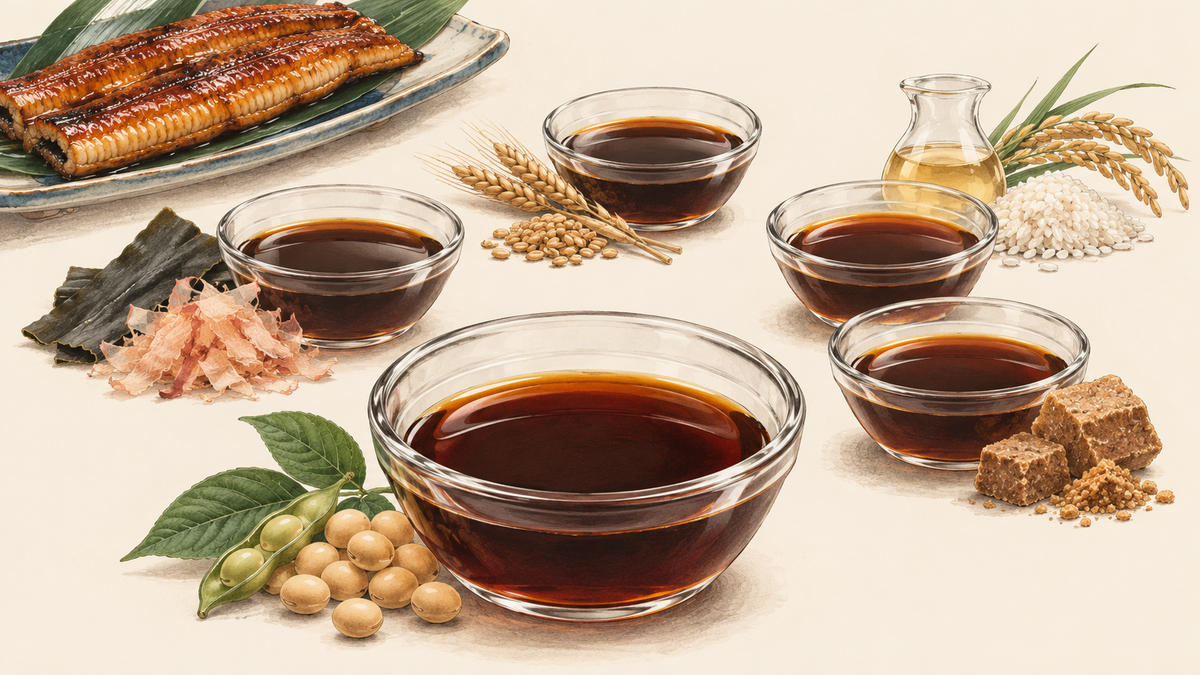
If unagi sauce tastes too sweet, do not immediately add soy sauce or water. The cause may be evaporation during reduction, the original balance of sugar and mirin, or simply too much sauce on the eel or rice. First decide whether the sauce tastes overly sweet on its own or only when served with the meal. Then test any change on a small sample.
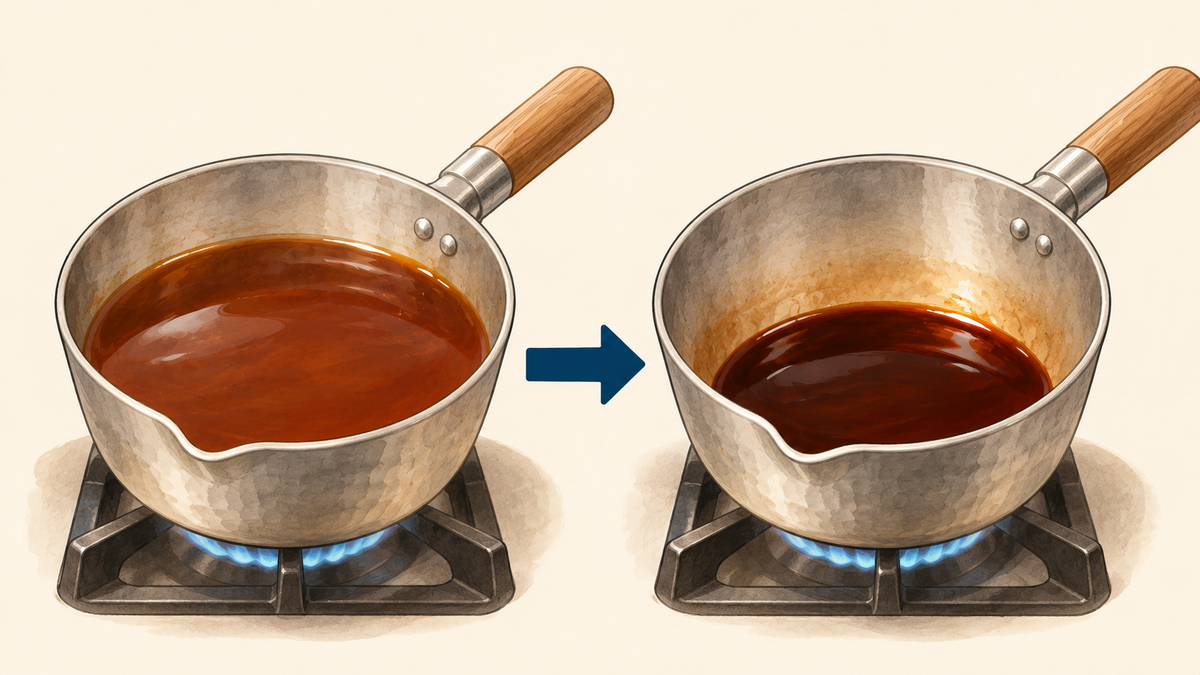
Editorial illustration comparing sauce levels in matching pans; it is not a measured concentration or the documented end point of a particular recipe.
1. Reduction changes how strongly sweetness and saltiness are perceived
As water evaporates during cooking, the sugars, salts and other dissolved substances remain in a smaller volume. A spoonful can taste stronger even when no sugar has been added. Darker color and thicker texture alone do not prove that the amount of sugar has increased. Stop heating first, allow the sauce to cool and taste a little before changing anything.
Kikkoman's official Basic Unagi Sauce recipe lists, for two servings, 4 tablespoons each of hon mirin (Japanese sweet cooking rice wine), cooking sake and soy sauce, plus 3½ tablespoons of sugar. After adding sugar and soy sauce, its instructions call for reducing for 3–5 minutes until approximately one-half to one-third of the original liquid volume remains. These are the conditions of that recipe, not universal cooking times or reduction targets for every sauce.
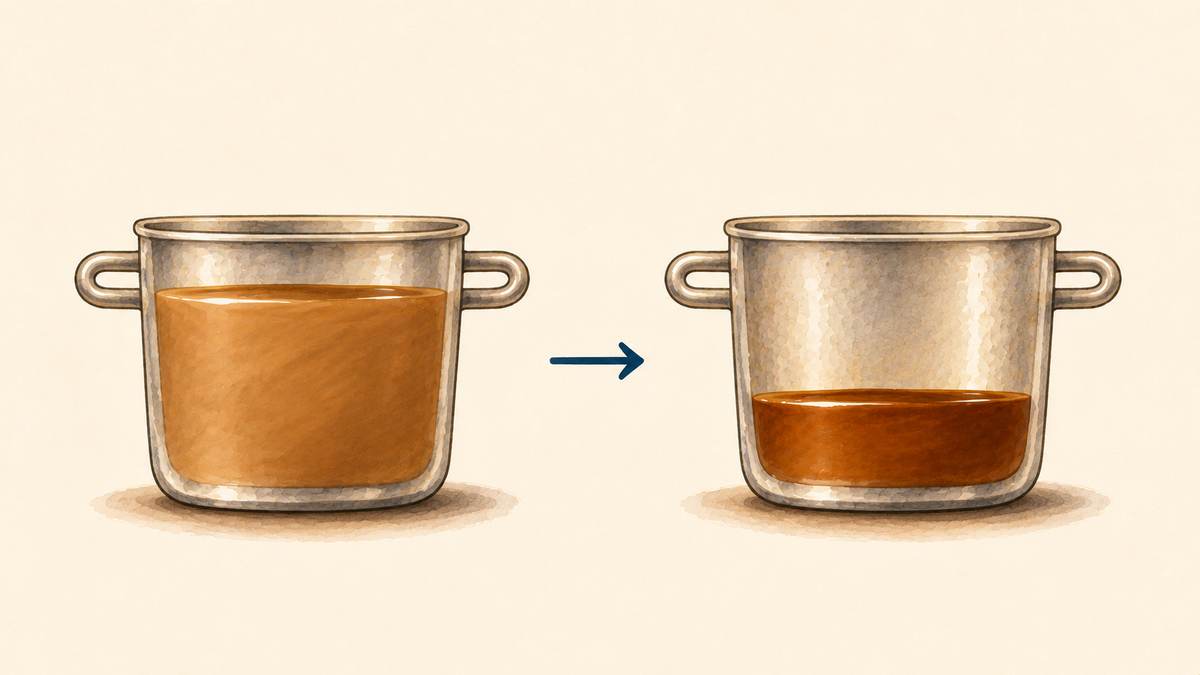
Figure 1: A schematic comparison of the original and reduced sauce. The difference represents water loss, not added sweetener.
2. Separate the recipe from the amount served
A sauce may taste balanced in the pan yet dominate a bite when brushed thickly over grilled eel or poured again over the plate and rice. This is a serving-quantity problem, not necessarily a recipe error. Taste a small amount of sauce on its own, then compare bites with the same amount of eel but less sauce.
In Kikkoman's easy hitsumabushi recipe, adding the sauce supplied with purchased kabayaki (soy-glazed grilled eel) appears as a separate preparation step. This illustrates that application is a separate decision; it is not evidence that all of the supplied sauce must always be used.
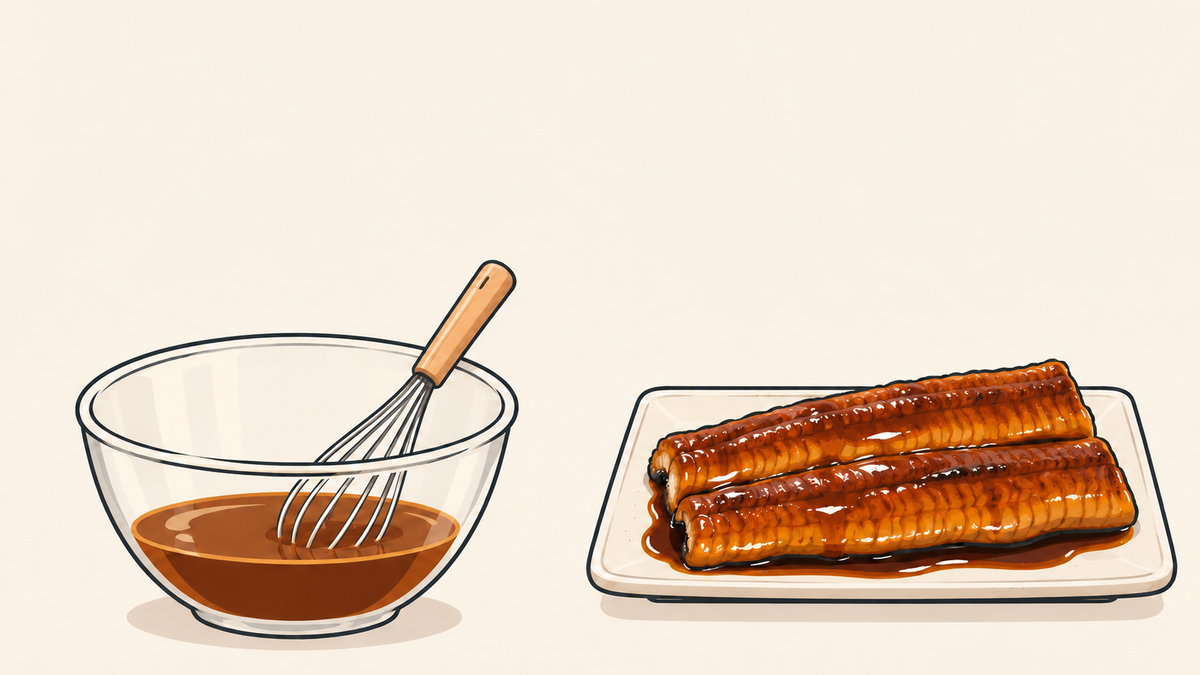
Figure 2: Sauce formulation and the amount applied at serving are different variables. A generous coating does not establish that the recipe itself is wrong.
3. Test an adjustment on a small portion, not the whole pan
Transfer a little sauce with a clean ladle into another cup or bowl and leave the main batch untouched. Divide the sample further if necessary: add a little water to one sample or try soy sauce in another, changing just one variable at a time. Evaluate it close to the temperature at which it will be served, and do not return a tasting spoon to the main pan.
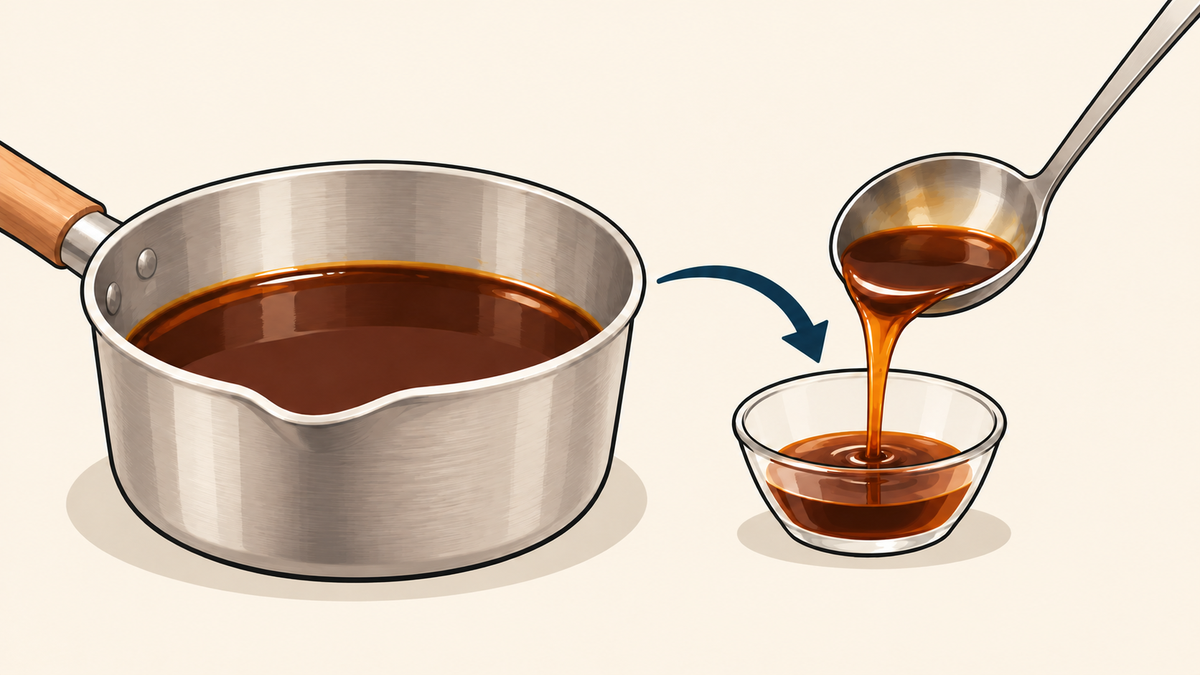
Figure 3: Only the separated sample is adjusted. The main batch stays unchanged as a reference.
4. Dilution affects more than sweetness
Adding water reduces the sweetness per unit of sauce, but also dilutes saltiness, savory flavors, viscosity and the way sauce clings to the eel. Water does not remove any of the sugar already present. Dilution aimed only at sweetness can leave the glaze tasting flat or looking less glossy.
As with other adjustments, test water in a separate cup. Prolonged heating after dilution evaporates water again, so avoid an uncontrolled cycle of adding water and reducing it. The sugar and salt shapes in the illustration are symbols of concentration, not crystals expected to float in real sauce.
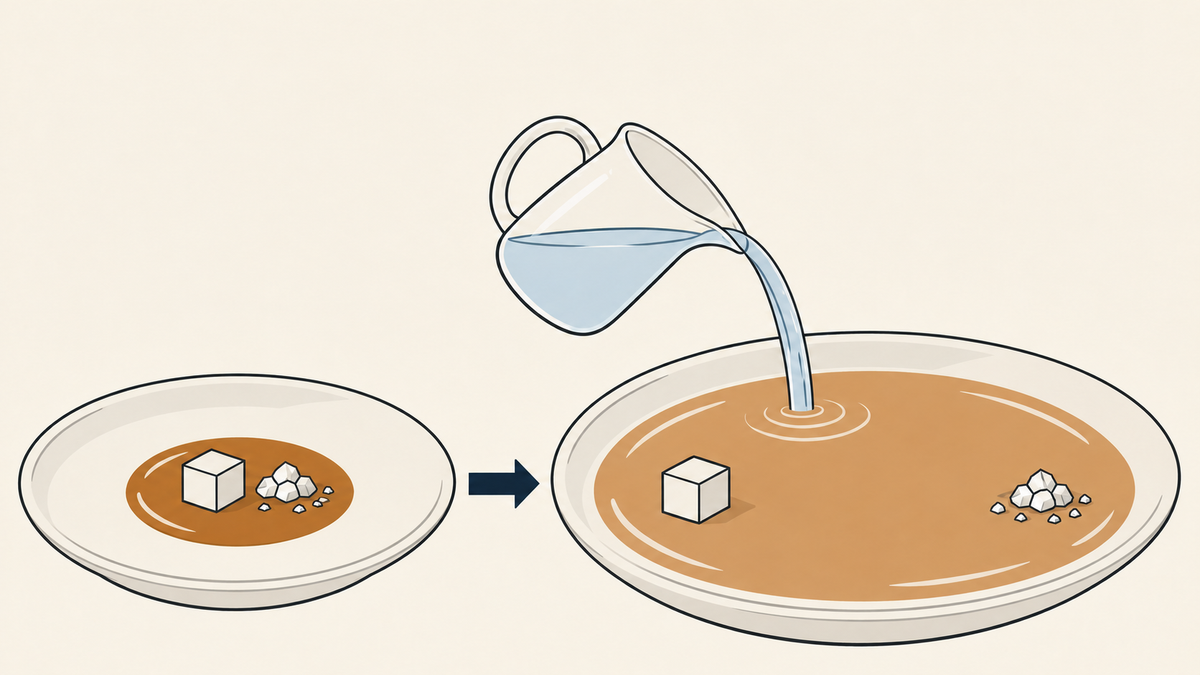
Figure 4: More liquid disperses both sugar and salt into a larger volume. This is not a health claim or a measured chemical analysis.
5. Soy sauce is a separate change that also increases saltiness
Adding soy sauce because a glaze is too sweet does not remove sugar. It contributes saltiness, aroma and umami, changing the balance of flavors. If the sauce is already salty enough, the result may be worse. Test only on a portion first. The two sliders in the illustration indicate separate variables, not measurements.
Commercial products vary. For example, Ebara Foods' official listing for Unagi Kabayaki Sauce 1600 g identifies soy sauce, sugars (sugar and starch syrup), mirin and salt among its ingredients and lists 28.0 g carbohydrate and 7.1 g salt equivalent per 100 g. These figures apply only to that product. For the categories on nutrition labels, see Japan's Consumer Affairs Agency. Do not equate the carbohydrate figure with the mass of added sugar; compare labels using the same stated serving or weight basis. For any purchase, prioritize the label on the package in hand.
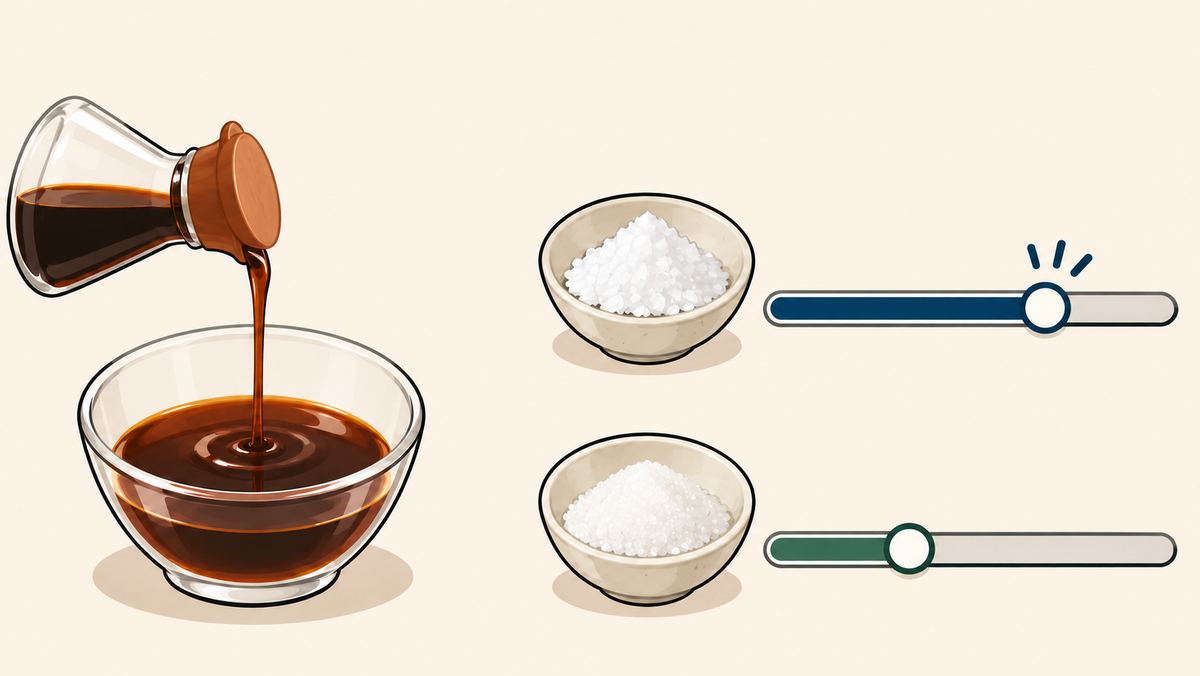
Figure 5: Soy sauce also changes saltiness and other flavors. Sugar and salt are not one shared adjustment.
6. Reduce the coating before reducing the eel portion
You can keep the amount of eel unchanged while using a thinner finishing glaze, withholding some of an included sauce packet or avoiding a puddle on the plate. If the purchased kabayaki is already glazed, taste a bite before adding more. The useful comparison keeps the fish portion and its cooked state constant while changing only the amount of sauce.
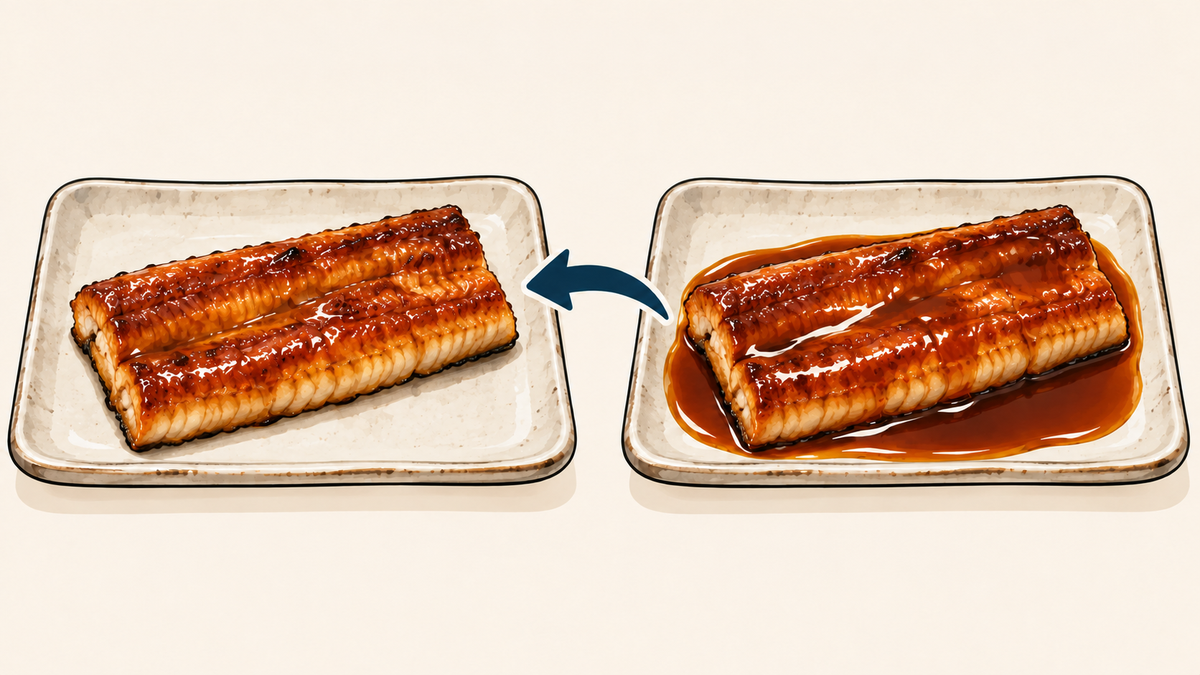
Figure 6: Both plates hold the same amount of eel; only the coating and excess sauce differ.
7. Record one change at a time for the next batch
To repeat a successful adjustment, note the original recipe, degree of reduction, any ingredient tested, how much sauce was applied and how it tasted with the meal. Next time, change only the sugar, only the reduction or only the finishing amount, rather than all three. The image represents an imaginary example in which one sweetening ingredient changes; it is neither a recommended quantity nor an experimental result.
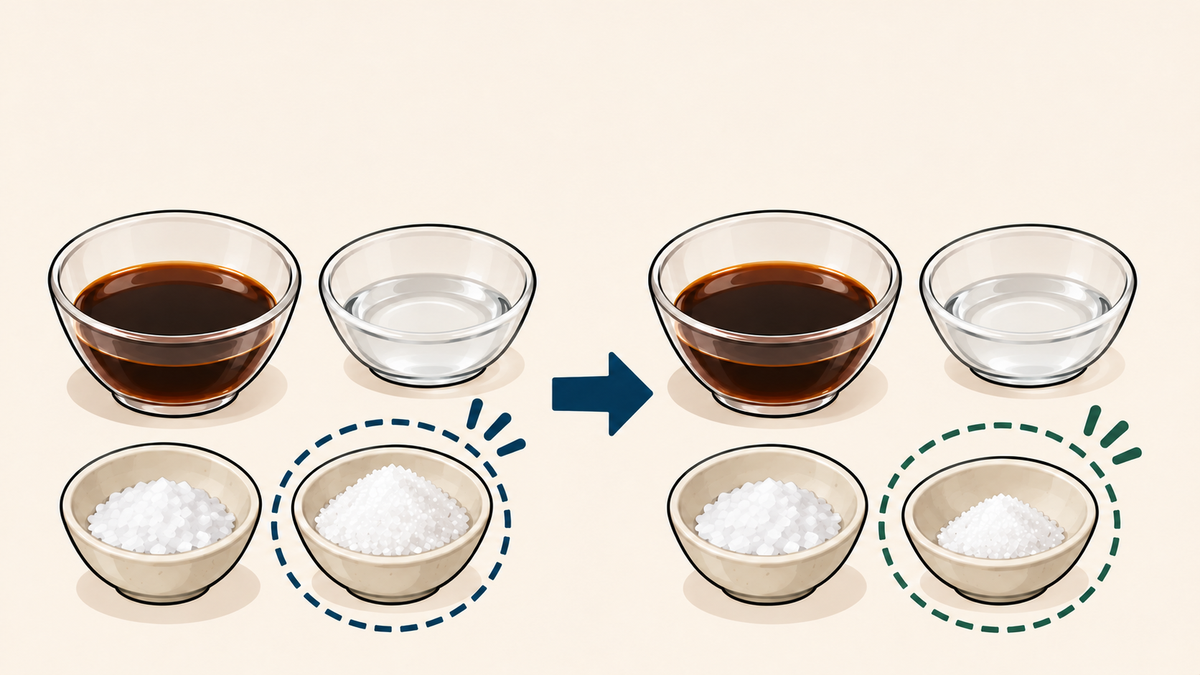
Figure 7: A record-keeping example that changes one ingredient at a time. Record actual quantities from your own cooking separately.
Check product labels and food handling separately
Packaged grilled eel and its accompanying sauce need not have the same ingredients, seasoning or storage requirements as homemade sauce. Check ingredients, allergens, storage instructions and directions after opening for the particular product. Adding water or sugar does not guarantee safe storage. Follow the Japanese Ministry of Health, Labour and Welfare's home food-poisoning prevention advice: use clean utensils, avoid leaving prepared food at room temperature for extended periods and promptly cool and store leftovers in smaller portions. No universal storage duration or reheating time is prescribed here.
Primary sources consulted
Kikkoman, Basic Unagi Sauce: the individual official recipe for ingredients and reduction.
Kikkoman, Easy Hitsumabushi: the individual recipe showing when the supplied sauce is added.
Ebara Foods, Unagi Kabayaki Sauce 1600 g: product-specific ingredients and nutrition per 100 g.
Consumer Affairs Agency of Japan, Nutrition Labelling: official explanation of nutrition-label contents and interpretation.
Ministry of Health, Labour and Welfare of Japan, Preventing Food Poisoning at Home: official domestic guidance on preparation and storage.
Related articles