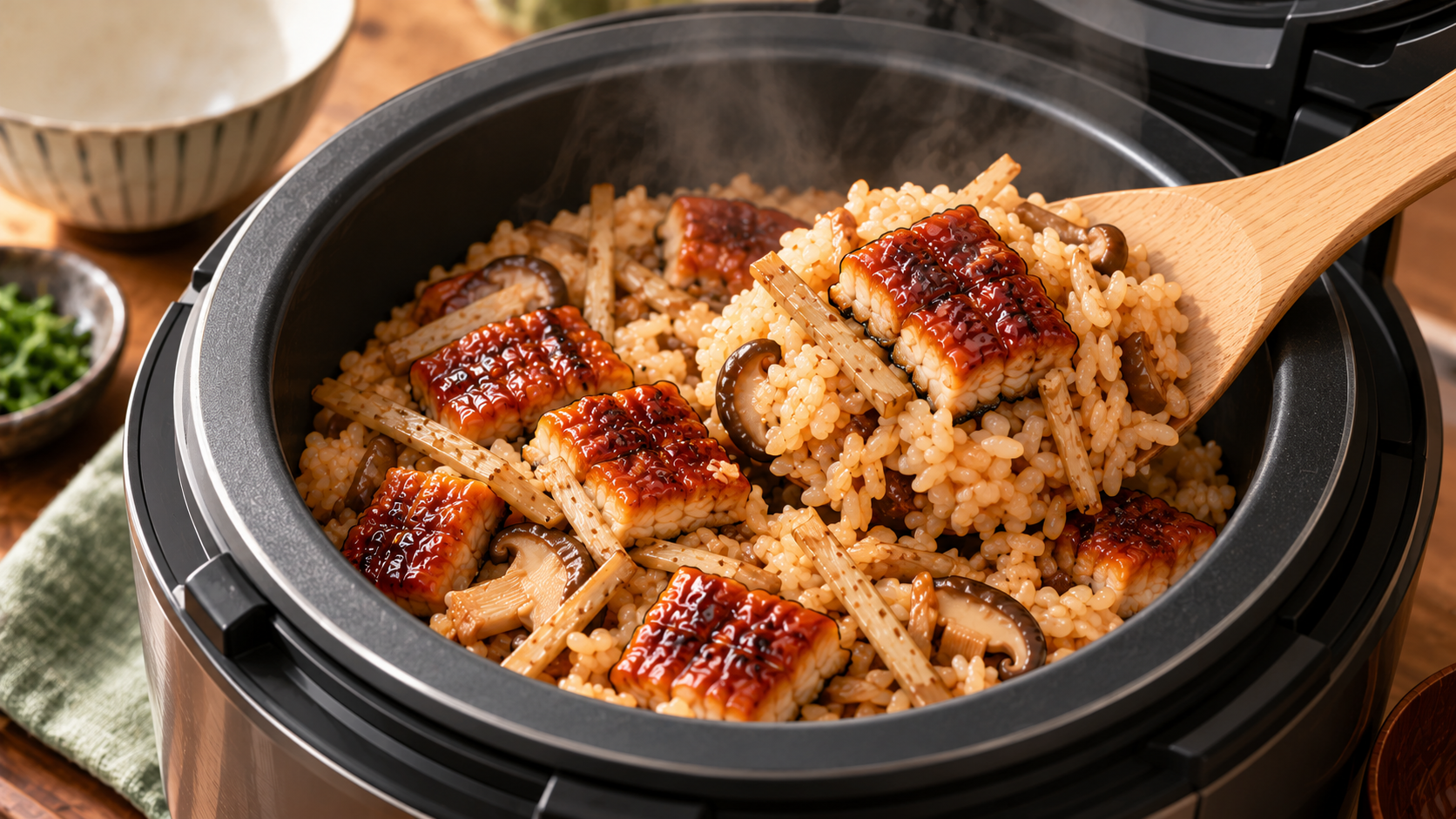
Uzaku is a Japanese side dish of cooked grilled eel and cucumber dressed with vinegar. Its practical challenge is moisture: drain the cucumber, finish the dressing separately, then combine close to serving. The base recipe here is the one presented by Takahiro Iwamoto of Nihonbashi Izumoya in Kikkoman’s cooking seminar dated July 8, 2025; this is not a recipe tested by this publication.
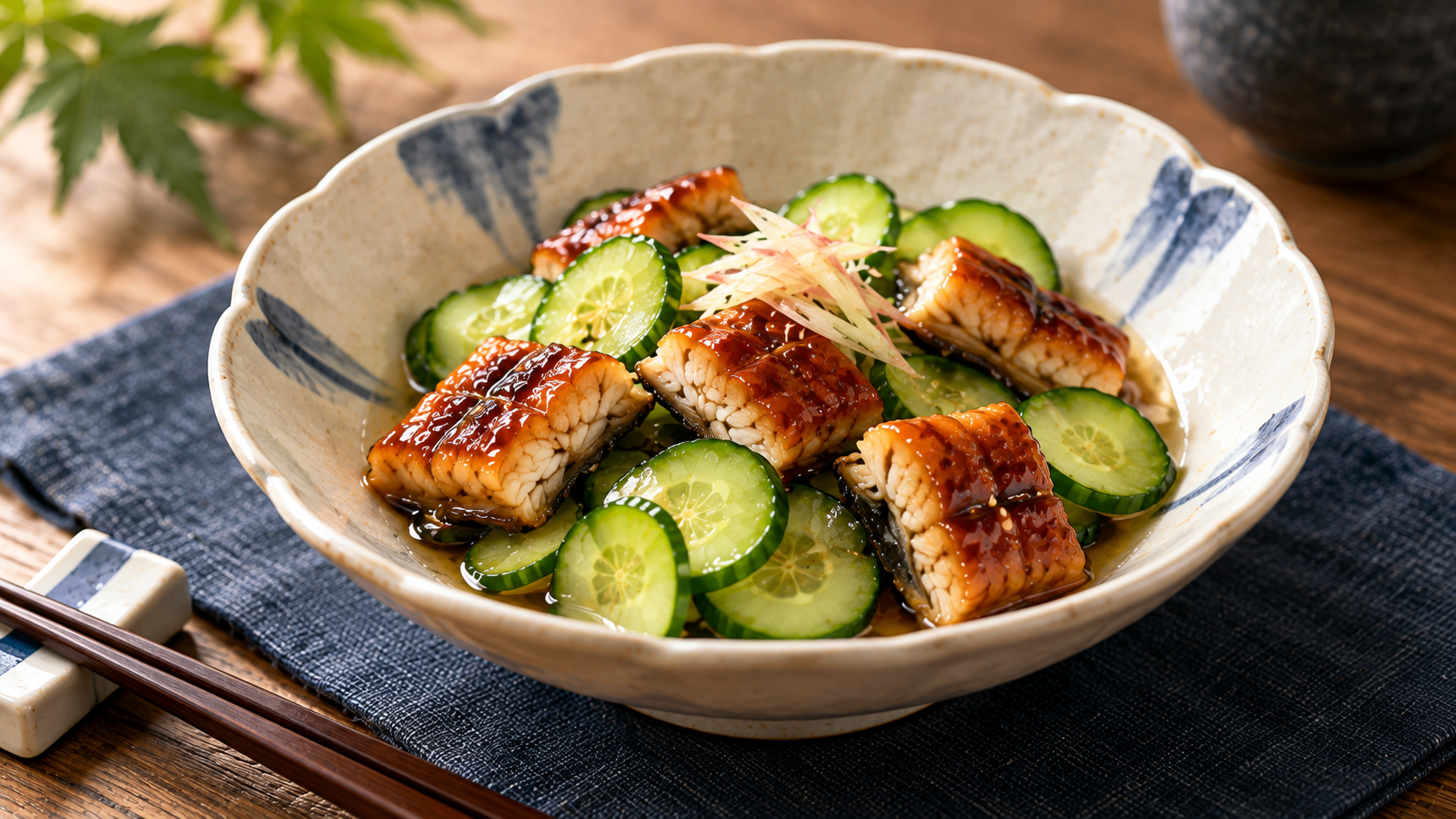
Uzaku serving illustration (AI-generated editorial image)
Build the ingredients
Bring together the three elements
For four servings, Kikkoman specifies half a cooked eel kabayaki fillet, one cucumber, two myoga ginger buds, one radish and a little salt. The Tosa vinegar uses 70 mL kombu-and-bonito stock, 30 mL vinegar, 15 mL hon-mirin and 15 mL light soy sauce. Start with commercially prepared, cooked eel. (Kikkoman, original uzaku seminar recipe, July 8, 2025)
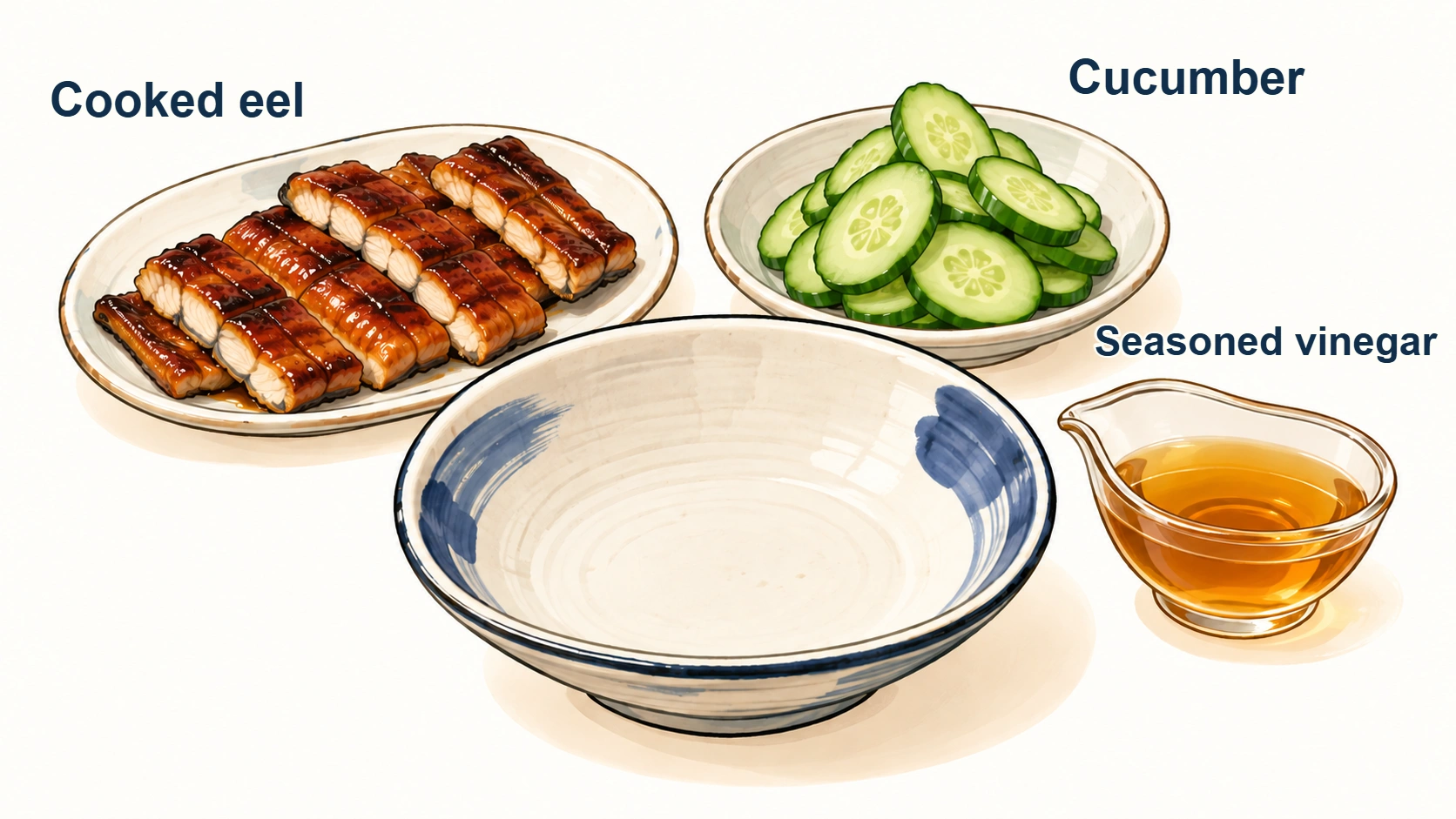
Diagram 01: Bring together the three elements
Slice the cucumber
Wash the cucumber and cut it into thin rounds on a stable cutting board. Similar thickness helps the slices season evenly. The cited Kikkoman recipe does not give a numerical slice thickness; do not mistake a diagram for a measurement.
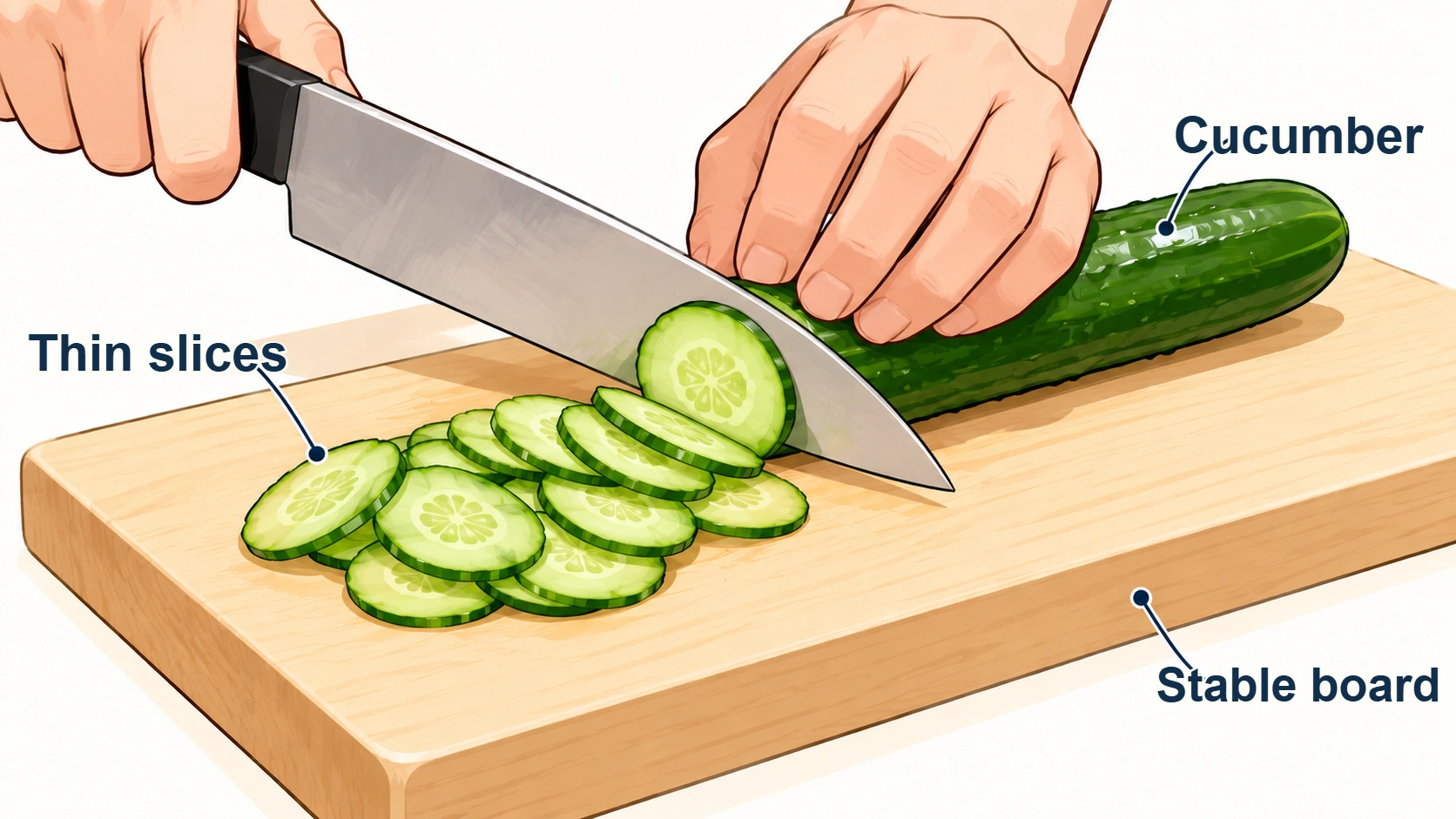
Diagram 02: Slice the cucumber
Moisture and seasoned vinegar
Salt gently and drain
Sprinkle the cucumber lightly with salt and drain off the moisture it releases. The source does not specify a salt weight or a fixed standing time. The aim is to remove excess liquid without making the finished salad overly salty.
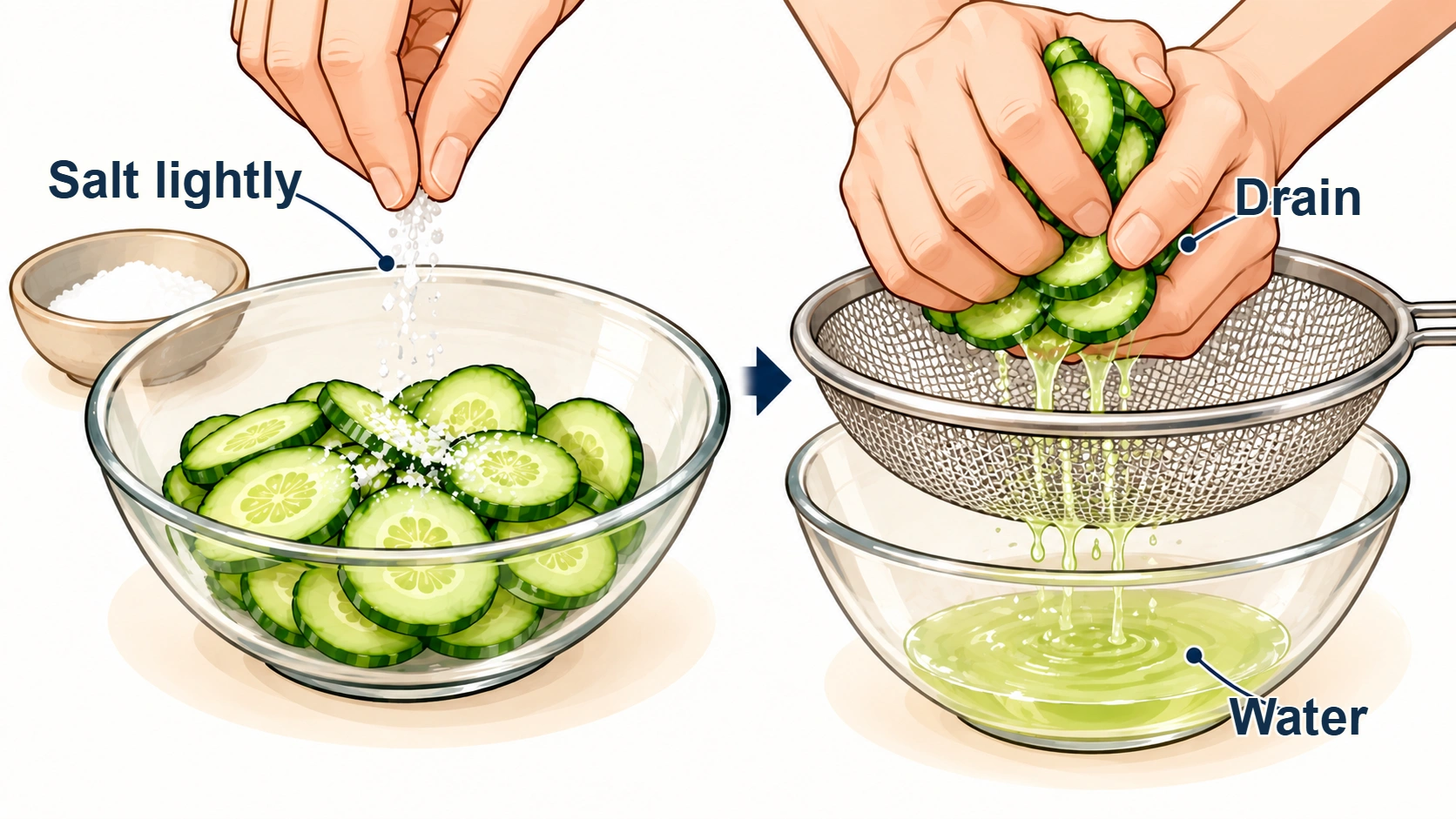
Diagram 03: Salt gently and drain
Measure the Tosa vinegar
The Tosa vinegar ratio is 70 mL stock, 30 mL vinegar, 15 mL hon-mirin and 15 mL light soy sauce. Mirin supplies sweetness; no added sugar is listed in this particular formula. Other published versions use different dressings, so do not blend their quantities into this one. (Kikkoman, original uzaku seminar recipe, July 8, 2025)
Kibun Foods publishes a separate version using sanbaizu, a vinegar dressing containing sugar. Its formula is different from the mirin-based Tosa vinegar above; do not combine the two sets of quantities. (Kibun Foods, alternative uzaku recipe)
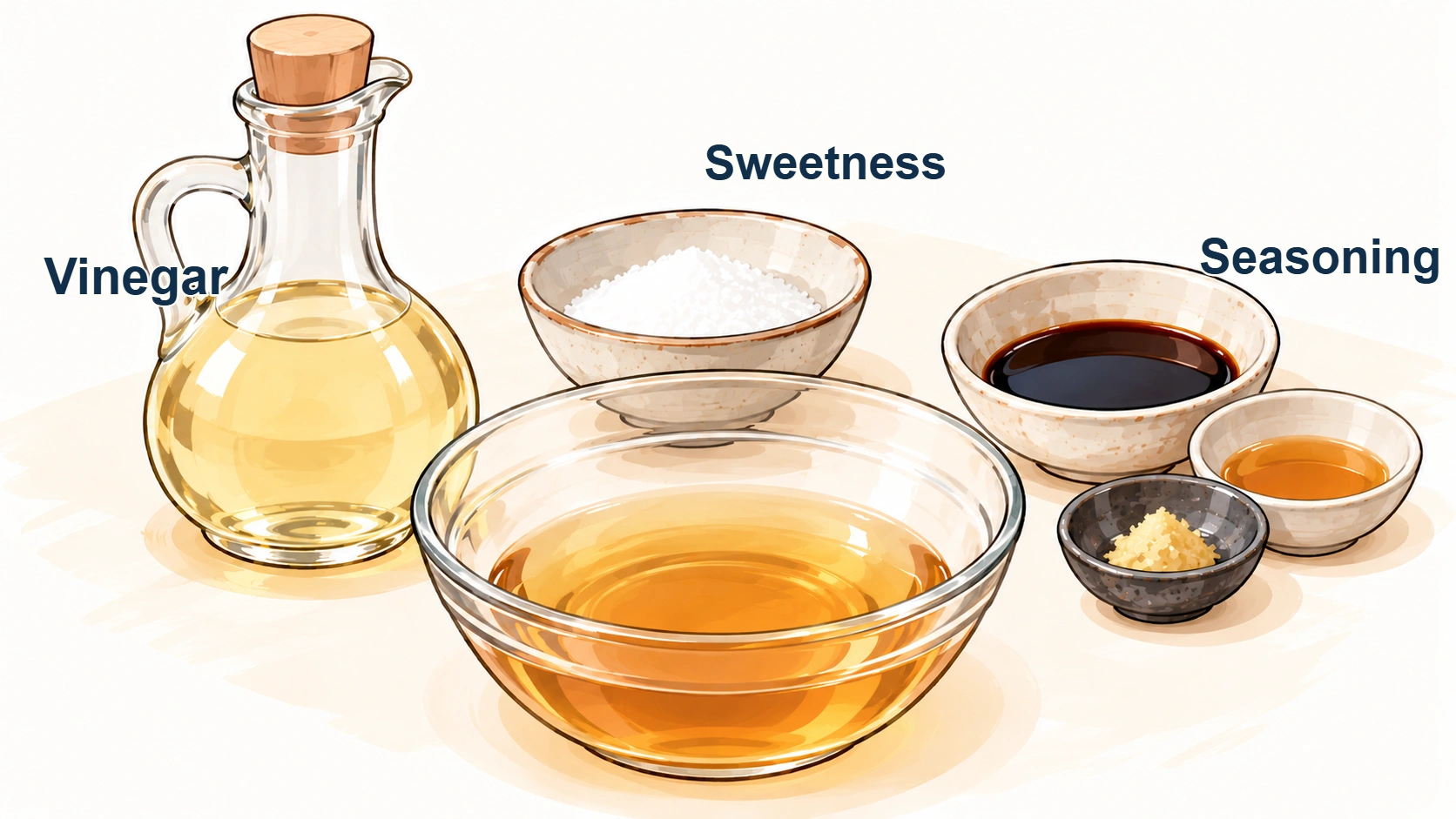
Diagram 04: Measure the Tosa vinegar
Heat and cool the dressing first
Combine all dressing ingredients in a saucepan, bring to a boil, then cool thoroughly as Kikkoman instructs. Make and taste the dressing before it touches the cucumber or eel, using a clean spoon. These heating and cooling steps belong to the cited version. (Kikkoman, original uzaku seminar recipe, July 8, 2025)
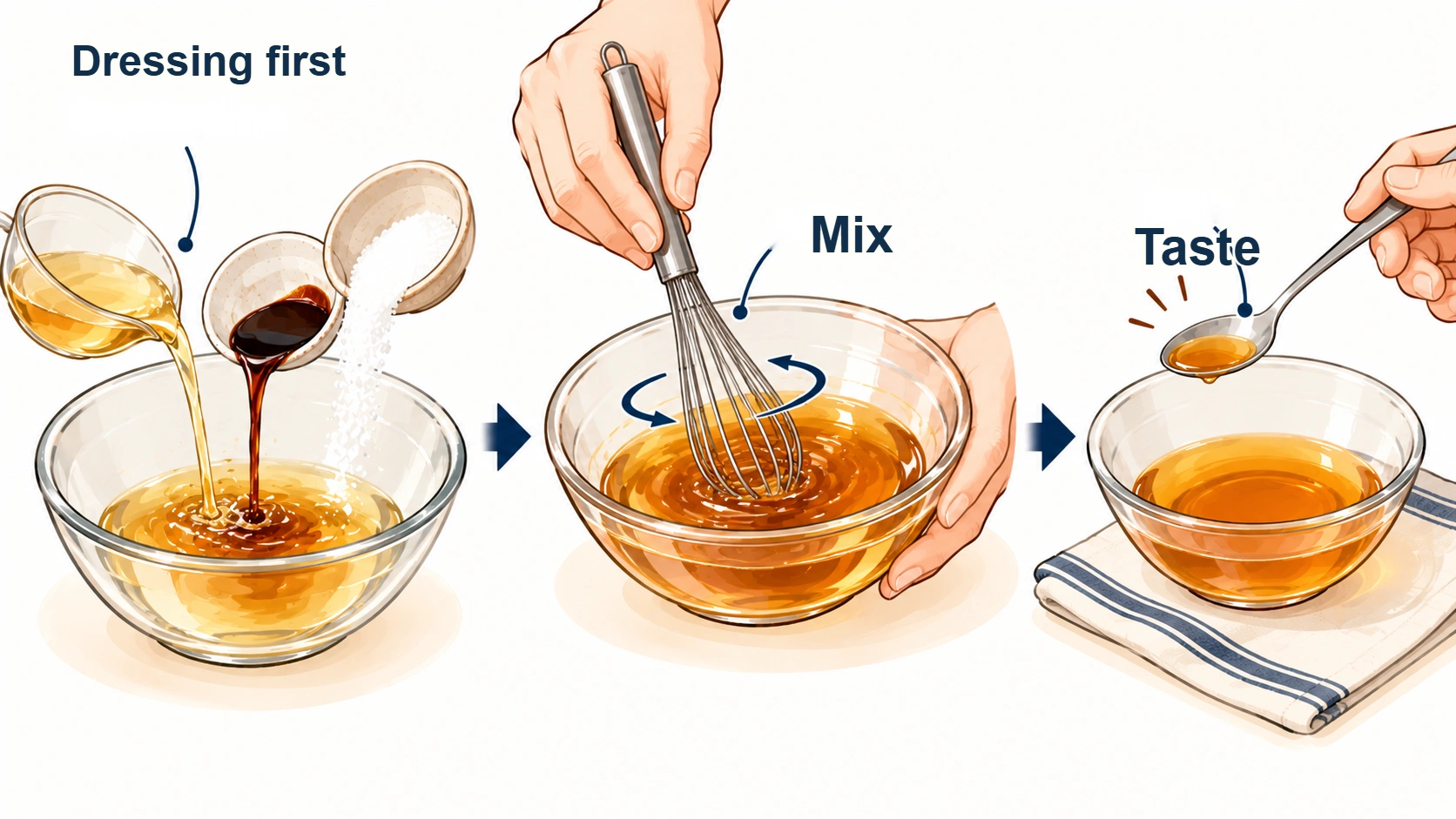
Diagram 05: Heat and cool the dressing first
Order of assembly
Cut the already-cooked eel
Cut the already-prepared kabayaki into strips 6–7 mm wide. The seminar notes that chilling the fillet and cutting from the skin side with the flesh facing down helps it hold together. This is not a procedure for cooking raw eel. (Kikkoman, original uzaku seminar recipe, July 8, 2025)
The original recipe explicitly calls for commercially prepared kabayaki that has been re-prepared using the “eel rice bowl” method on the same page. This does not override the preparation and heating instructions on individual products. (Kikkoman, original uzaku seminar recipe, July 8, 2025)
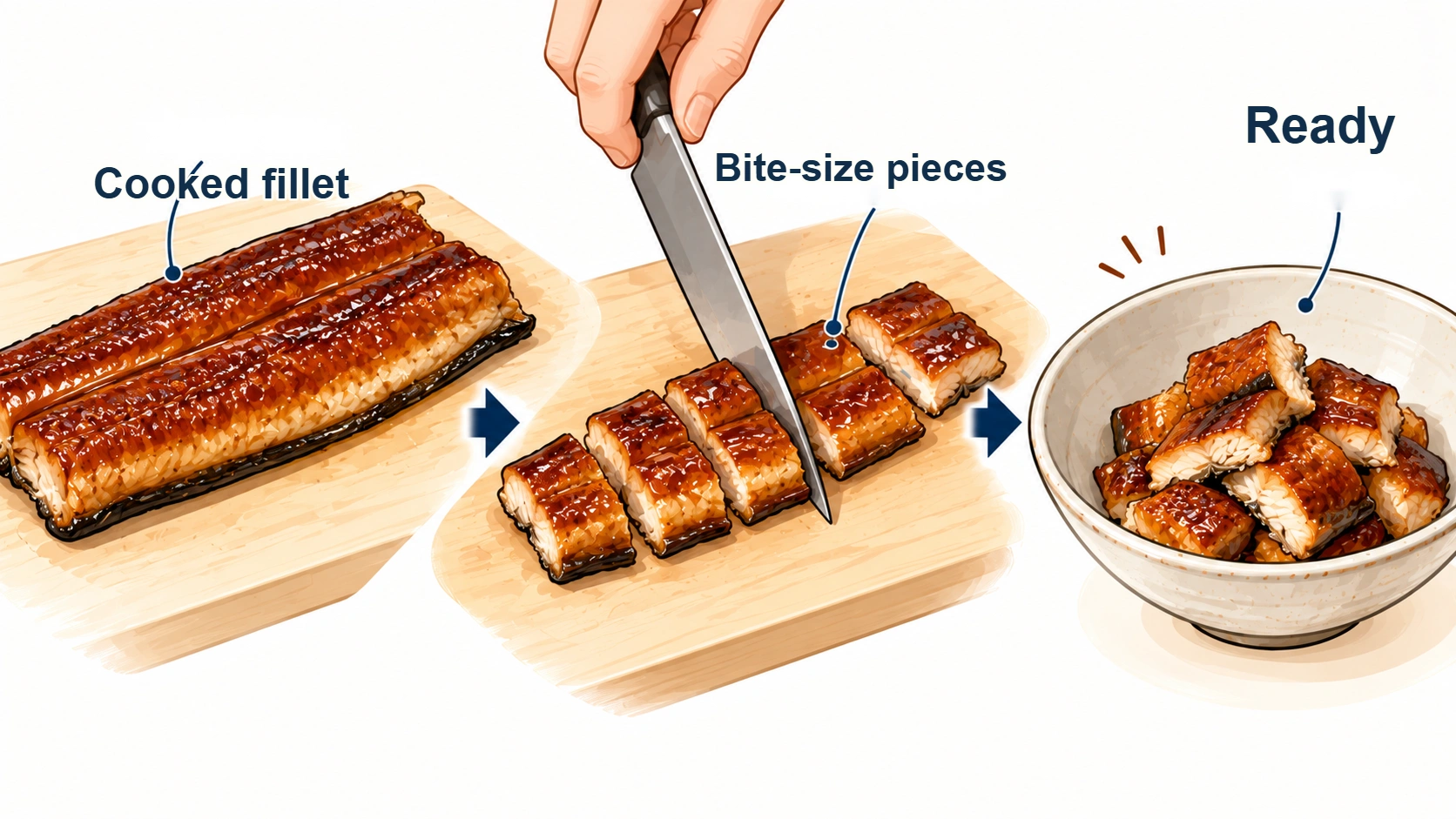
Diagram 06: Cut the already-cooked eel
Combine shortly before serving
Place the drained vegetables and cooked eel in a bowl, add cooled Tosa vinegar, and toss. The original plating begins with a bed of cucumber, then alternating cucumber and eel. Dressing close to serving minimizes the time in which more liquid can collect. (Kikkoman, original uzaku seminar recipe, July 8, 2025)
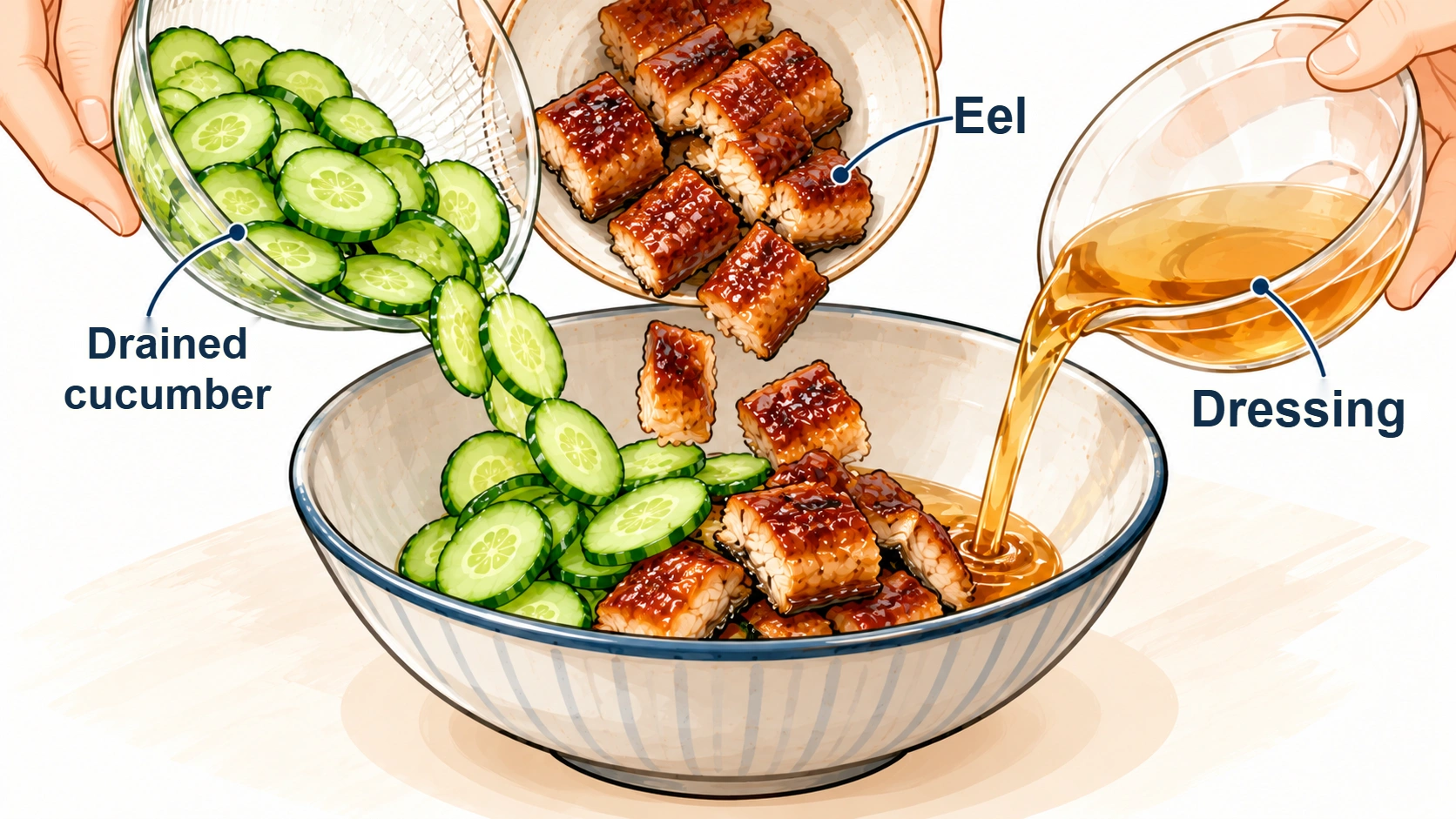
Diagram 07: Combine shortly before serving
Flavor and serving
Avoid a diluted dressing
Undrained cucumber can release extra water and weaken the dressing's flavor. Remove excess moisture first; if the finished dressing tastes too concentrated, the source permits adding stock. The comparison diagram illustrates the principle, not measured experimental results.
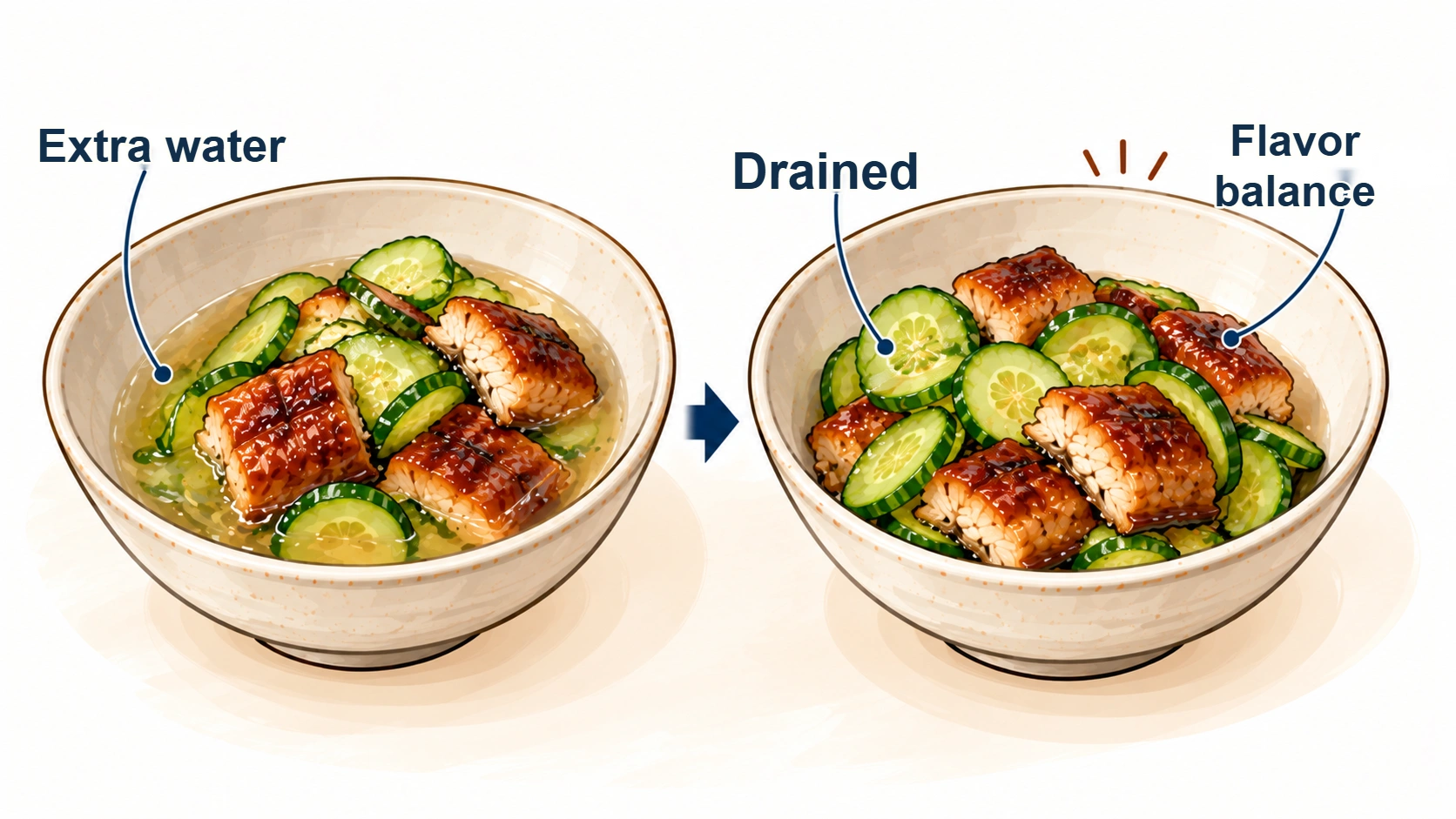
Diagram 08: Avoid a diluted dressing
Keep garnishes restrained
Kikkoman slices and soaks myoga and julienned radish in water, then drains both. Add them sparingly as a final accent so the eel and cucumber remain visible. Garnish is optional for understanding the basic method, but these items appear in the cited four-serving recipe.
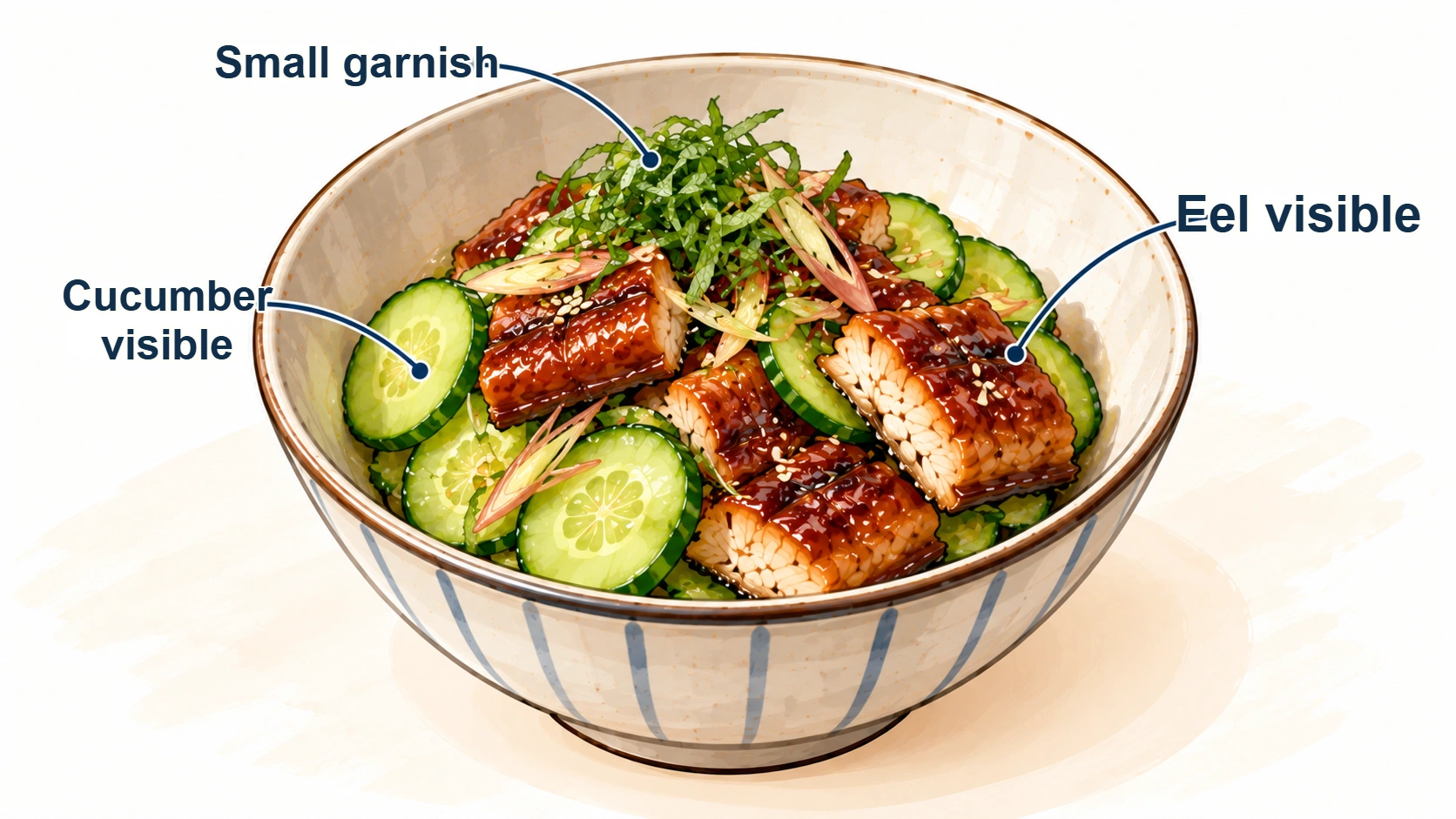
Diagram 09: Keep garnishes restrained
Serve as a side dish and handle safely
Serve a modest portion in a shallow bowl beside a rice-based main dish. Wash hands and utensils, prevent cross-contamination, refrigerate ingredients requiring chilling promptly and avoid leaving the prepared food at room temperature for long periods. Divide leftovers into shallow clean containers for rapid cooling. (Japan Ministry of Health, Labour and Welfare, six home food-safety points)
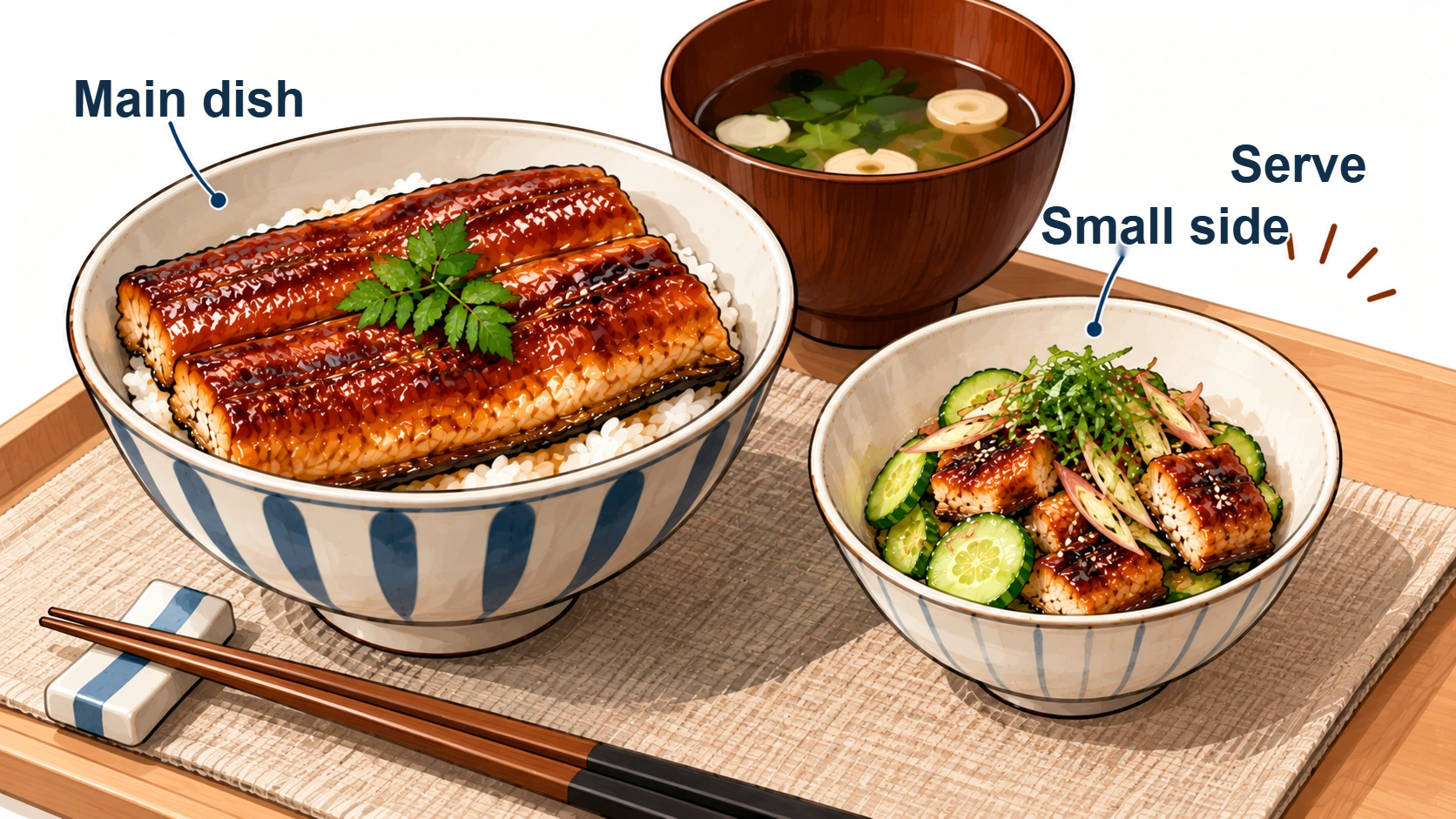
Diagram 10: Serve as a side dish and handle safely
These quantities describe one documented recipe, not a universal ratio. Neither the recipe nor the safety guidance establishes a universal number of days for storing prepared uzaku.
Sources and further reading
Related articles