Unagi bone crackers are foods made with actual eel bones, processed for eating. They are not simply rice crackers shaped like bones. Yagai Foods, for example, describes its soy-sauce-flavored eel-bone product as deep-fried bones.
Prepared food is different from bones left in grilled eel
This guide covers prepared products sold as food. It does not assess bones left in a serving of grilled eel. For shoppers, the useful questions are what goes into the product and how that particular package should be stored.
Hone means bone; hone senbei is the Japanese name you may see alongside the English terms unagi bone crackers or eel bone snack. On Japanese ingredient lists, look for うなぎの骨 or 鰻の骨 to identify the eel-bone ingredient.
The name does not establish the recipe
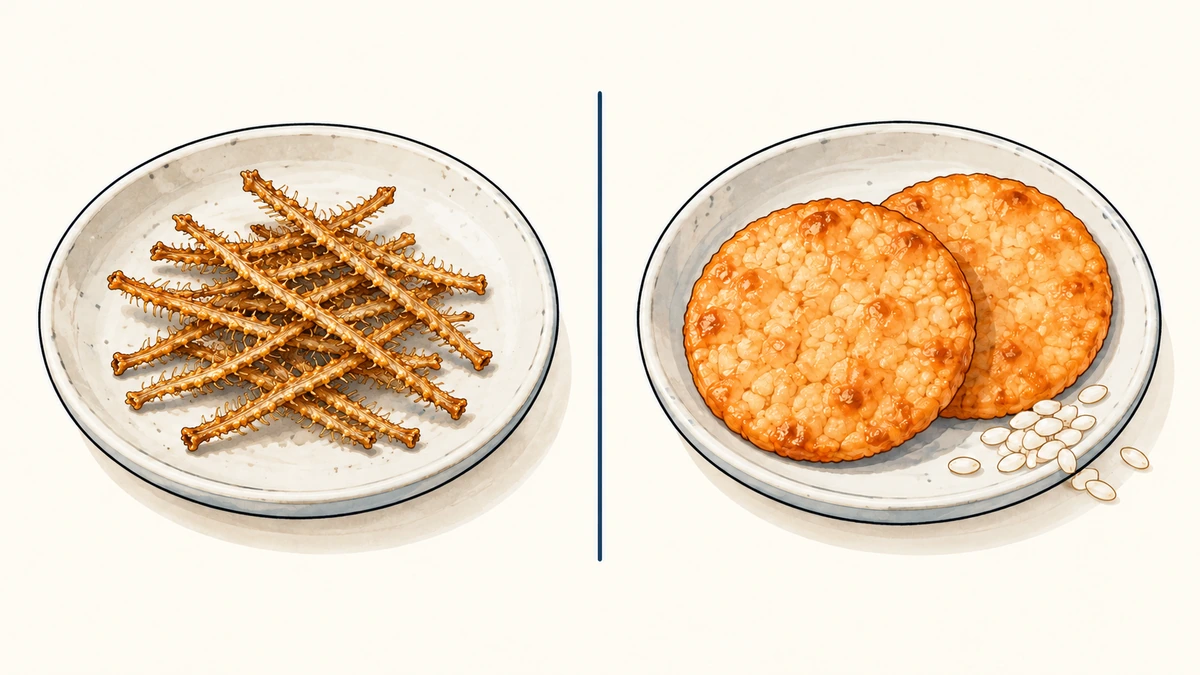
The word senbei does not establish that rice is the main ingredient. Yagai Foods lists eel bones, cornstarch, vegetable oil and soy sauce among its ingredients. Unagi no Yanagawa’s bone crackers contain eel bones with seasonings including soy sauce, bonito powder and bonito extract. Neither of these lists describes a rice-based cracker.
Seasoning gives these products different identities. Unagi no Yanagawa describes a crisp texture and dashi flavor. Takahashi Shoten’s salt-flavored Unagi no Poritto uses bones cut into pieces, coated with a seasoned frying mix and fried. Its ingredients include wheat flour, powdered soy sauce and chicken-extract powder, so salt flavor does not mean just bones and salt.
Look for the seasonings that interest you rather than assuming every packet tastes alike. The flavor name also cannot tell you which ingredients you need to avoid. Yagai Foods’ soy-sauce version, for instance, lists wheat, milk and soy as allergens. Read the current package’s ingredient and allergy information; that example is not a universal list for bone crackers.
Check storage before choosing a souvenir
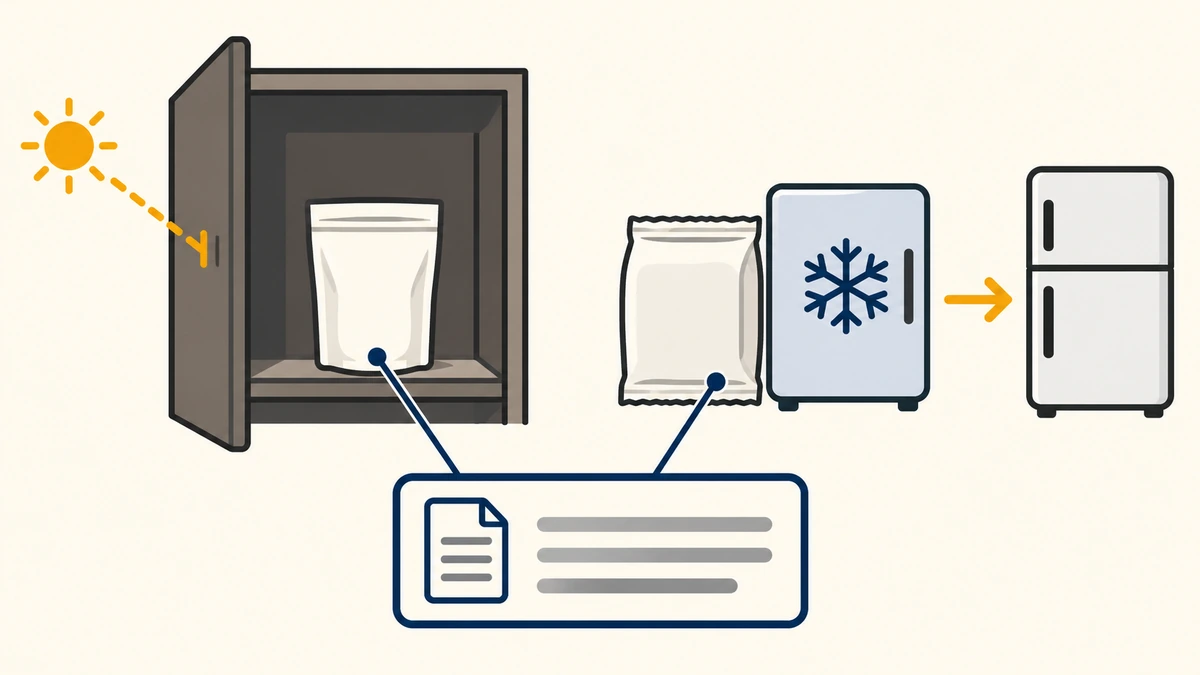
A crisp-looking snack is not necessarily a room-temperature product. Takahashi Shoten’s salt-flavored Unagi no Poritto specifies room-temperature storage away from direct sunlight and prompt consumption after opening. Unagi no Yanagawa’s bone crackers instead give frozen-storage instructions with a separate refrigerated period after thawing.
These instructions belong to those individual products. Do not transfer them to another packet. If you want a souvenir for a journey, check its storage requirements before deciding whether it fits your plans.
Four label fields worth reading
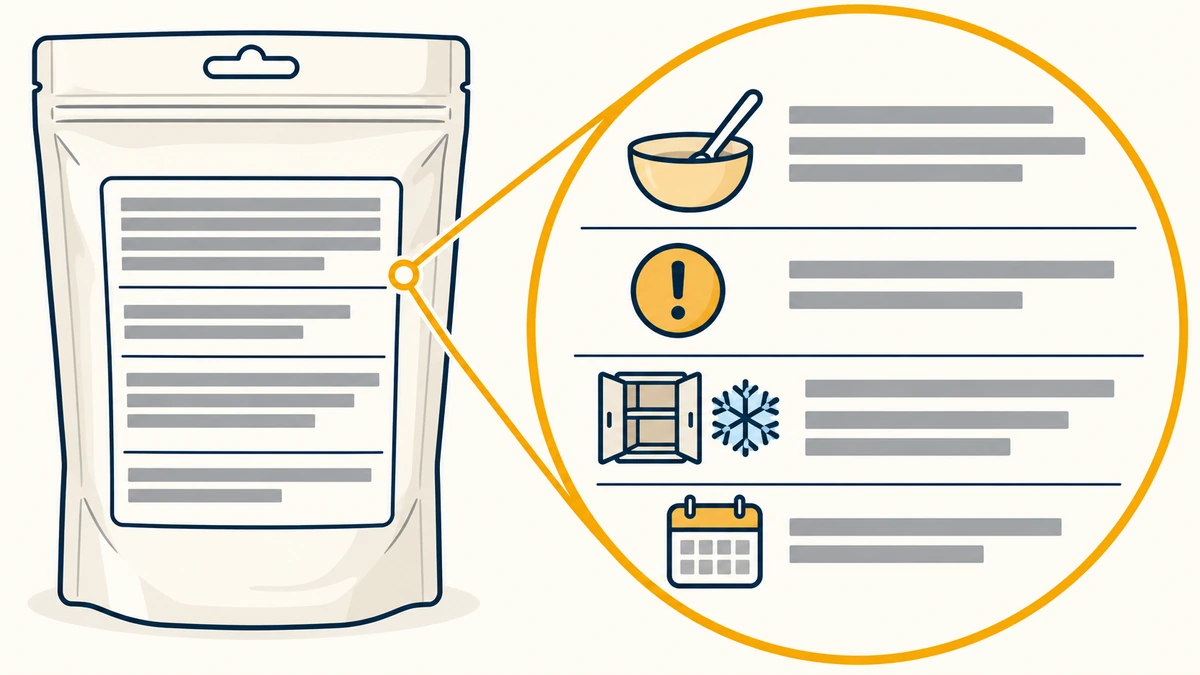
原材料名 — Ingredients: check the coating and seasonings as well as the eel bones. アレルギー表示 — Allergy information: use the specific product’s details, not its flavor name.
保存方法 — Storage method: check whether refrigeration or freezing is required, including changes after opening or thawing. 賞味期限 — Best-before date: read it with the storage conditions. Do not assume a shelf-life duration on a website starts on your purchase date.
Short FAQ
- Are they really made from eel bones?
- Yes, the products discussed here list eel bones as an ingredient. Look for うなぎの骨 or 鰻の骨 in the ingredient list.
- Are hone senbei rice crackers?
- The name alone does not tell you the base ingredient. The examples here use eel bones with oil and seasonings rather than a rice-cracker base.
- Can every packet be stored the same way?
- No. The examples above include both room-temperature instructions and frozen storage with separate post-thaw guidance. Follow the label on the product you have.
Related articles