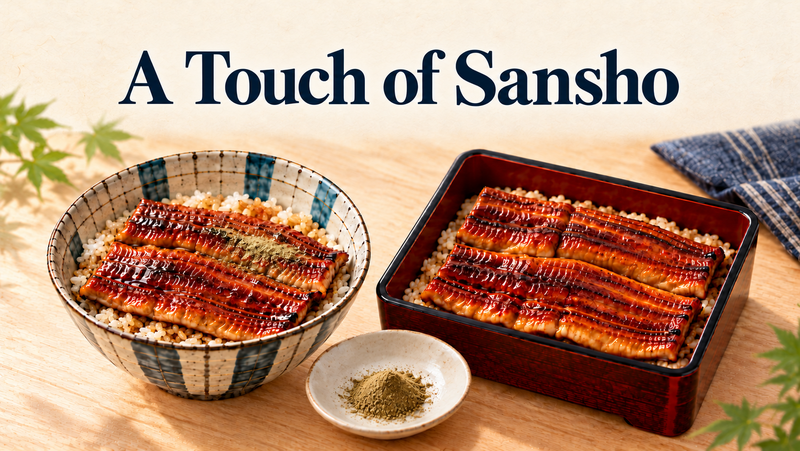
Narita is more than the name on an airport departure board. Walk toward Naritasan Shinshoji Temple and you encounter a town where an eel meal and a temple visit belong to the same outing. The concentration of unagi restaurants has a local backstory: freshwater food traditions met the business of welcoming pilgrims.
From local freshwater food to a meal for visitors
Narita’s tourism association explains that people in the area ate freshwater fish from Lake Inbanuma before eel farming became widespread. Its account connects the growth of Edo-period pilgrimage with inns serving visitors, and describes eel becoming a summer specialty as its popularity increased. [1]
This is a story of a food culture taking shape through place and hospitality, rather than a dish credited to one inventor. Waterways, inns, cooks and people arriving to worship all help explain why eel became part of the town’s identity.
There is an important limit to the story, however. Descriptions of a restorative meal after a long journey are not clinical evidence that eel treats fatigue. Nor does a modern tourism account establish every detail through contemporary historical documents. Here, the history is presented as the account shared by the region’s official tourism organization, without adding invented scenes or anecdotes.
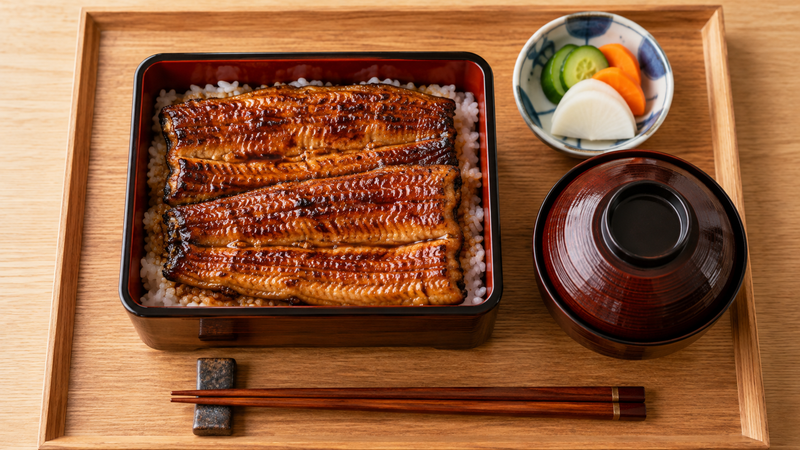
A local specialty is not a guarantee of locally caught eel
It is easy to read about Lake Inbanuma and assume that every restaurant still serves wild eel caught there. That does not follow from the historical connection.
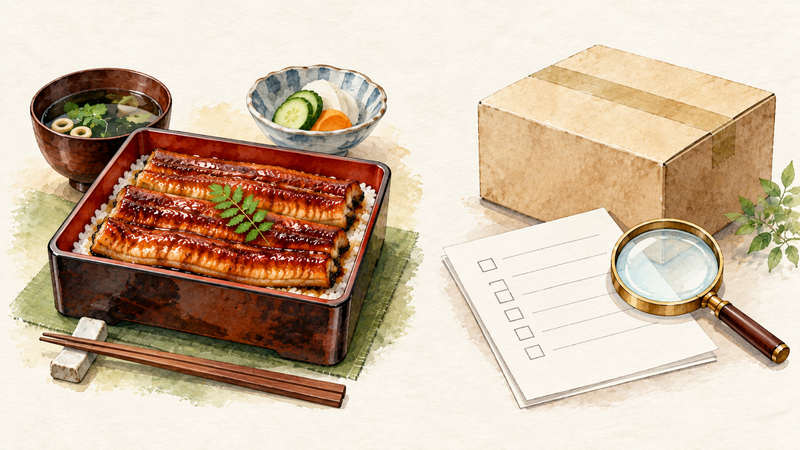
“Famous in Narita” describes the place of a dish in the town’s food culture. It does not certify the source of a particular portion served today. If origin matters to you, look for the restaurant’s current information or ask where its eel comes from and whether it is farmed or wild. Treat the historical fishing grounds and today’s purchasing arrangements as two different questions.
This distinction makes for a better visit: you can appreciate the town’s tradition without attaching an unsupported label to your lunch.
Walk the Omotesando, not just the restaurant queue
The tourism association describes the Omotesando as extending roughly 800 meters from the station area toward the temple. Its route passes through areas including Kamicho and Nakamachi/Saiwaicho, the latter associated in the official guide with long-established inns and eel restaurants, before reaching the temple’s main entrance area. [2]
That relatively short distance does not tell you how long the whole outing will take. Walking, restaurant registration, waiting, eating and visiting the temple are separate parts of the plan.
A straightforward first visit is often the most useful: walk from the station along the approach, combine a meal with a temple visit, then return past shops that caught your eye. Let restaurant arrangements determine whether lunch comes before or after the temple. There is no need to invent a rigid dining rule for visitors that the available sources do not establish.
Try noticing how the businesses relate to the route. An inn or restaurant along a pilgrimage approach is not just an isolated destination: it is part of the infrastructure of receiving people who have come from elsewhere.
Choose around your day, rather than a ranking
Before asking which restaurant is “best,” decide what you need from the outing.
If the temple visit is the priority: check where the restaurant sits along your route and avoid unnecessary backtracking.
If one restaurant is the main reason for going: check its own information about reservations, registration and opening days.
If someone has dietary needs: ask about ingredients, portions and possible accommodations before arriving.
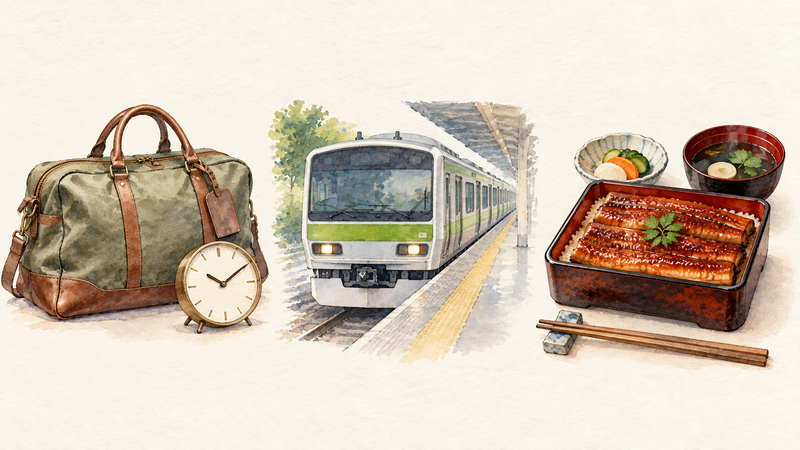
If you are fitting the trip around a flight: plan backward from when you need to be back at the airport, not forward from lunchtime.
JR Narita Station and Keisei Narita Station are not the airport stations. Travel back to the correct terminal and airport procedures require their own allowance. An 800-meter shopping street is not proof that a layover excursion will fit. If the plan has no room for an uncertain restaurant wait, make it less ambitious rather than relying on a best-case schedule. [3]
This article deliberately avoids current restaurant prices, waiting-time promises and a numbered ranking. Those details would need a different kind of verification, and they are not necessary to understand why eel belongs to the town.
Frequently asked questions
Is all eel served in Narita from Lake Inbanuma? — No such conclusion can be drawn from the local history. Check the current origin with the individual restaurant if that matters to your choice.
Should I only visit in summer? — You do not need to make summer a condition of the trip. Check your chosen restaurant’s service and menu for the day you intend to visit. If you want to attend a seasonal event, consult that year’s official announcement separately.
Can I enjoy the food culture without making the day a restaurant tour? — Yes. One meal can sit naturally within a walk, a temple visit and some shopping. Notice the relationship between the approach road, inns and restaurants instead of treating the visit as a checklist of places to eat.
Read next
Kanto and Kansai eel preparation: another way to understand regional cooking differences.
Eel-producing regions: distinguish a local culinary identity from the source of its ingredients.
Doyo no Ushi no Hi: another perspective on summer eel traditions.
Sources and editorial note
The sources listed below are the Narita Tourism Association’s eel and Omotesando pages and Naritasan Shinshoji Temple’s access information. This article does not claim restaurant tastings, current queue measurements or a comparative restaurant assessment.
Related articles