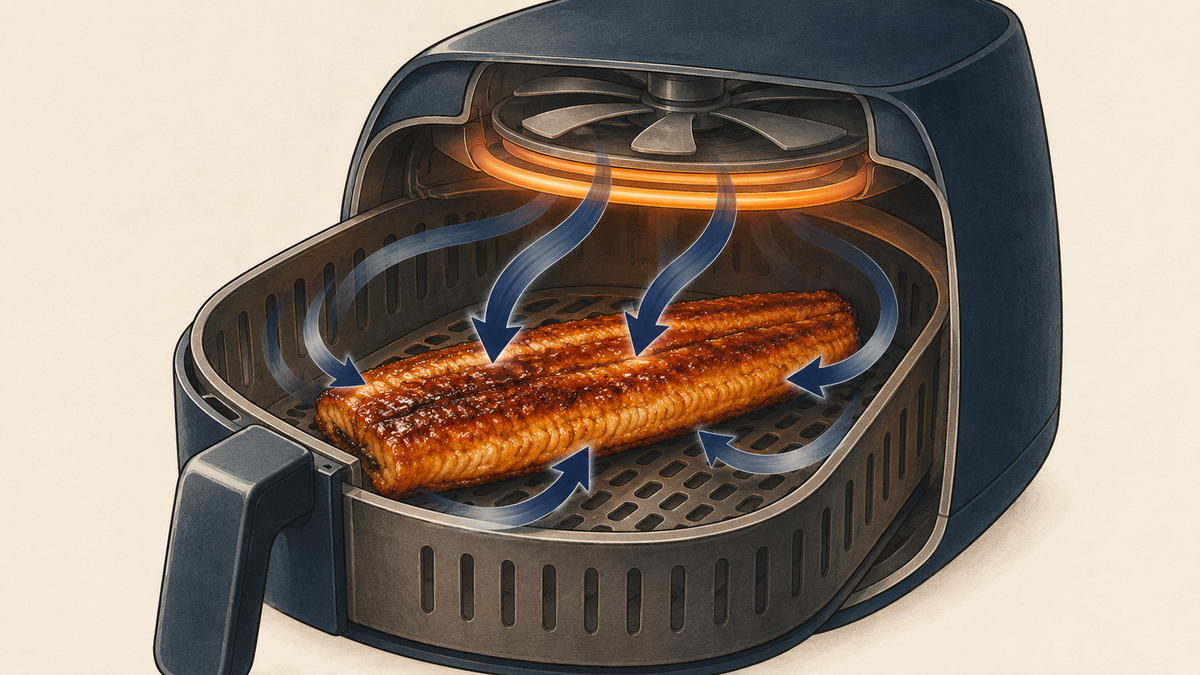
Editorial schematic showing heated air reaching exposed food surfaces. It does not reproduce a particular model's construction or a measured cooking test.
To reheat unagi in an air fryer, first verify that it is already cooked kabayaki and read the package instructions. Only if the food instructions and your appliance manual allow the approach should you remove the fillet from its packaging, arrange it without overlap, avoid collecting sauce in the basket, check it during heating and transfer it to a plate. One temperature and time cannot be prescribed for every product.
This article mainly concerns reheating commercially cooked kabayaki, the Japanese preparation of grilled eel with sauce. It is not a method for cooking raw eel until safe. Preventing a dry or scorched exterior and confirming adequate heating for food safety are two separate tasks.
Moving air heats the exposed surface of eel
An air fryer circulates hot air with a fan, transferring heat where that air meets the food. Philips describes hot air moving around a metal cooking basket in its product information. The arrows in the illustration represent this principle; they do not claim identical flow paths or air speeds in every appliance.
On glazed eel, surfaces exposed to moving air may dry or change colour before less-exposed areas do. A browned exterior is not proof that the centre is sufficiently hot. Keep texture adjustments separate from the heating necessary for safety, and give priority to the food and appliance instructions. Philips
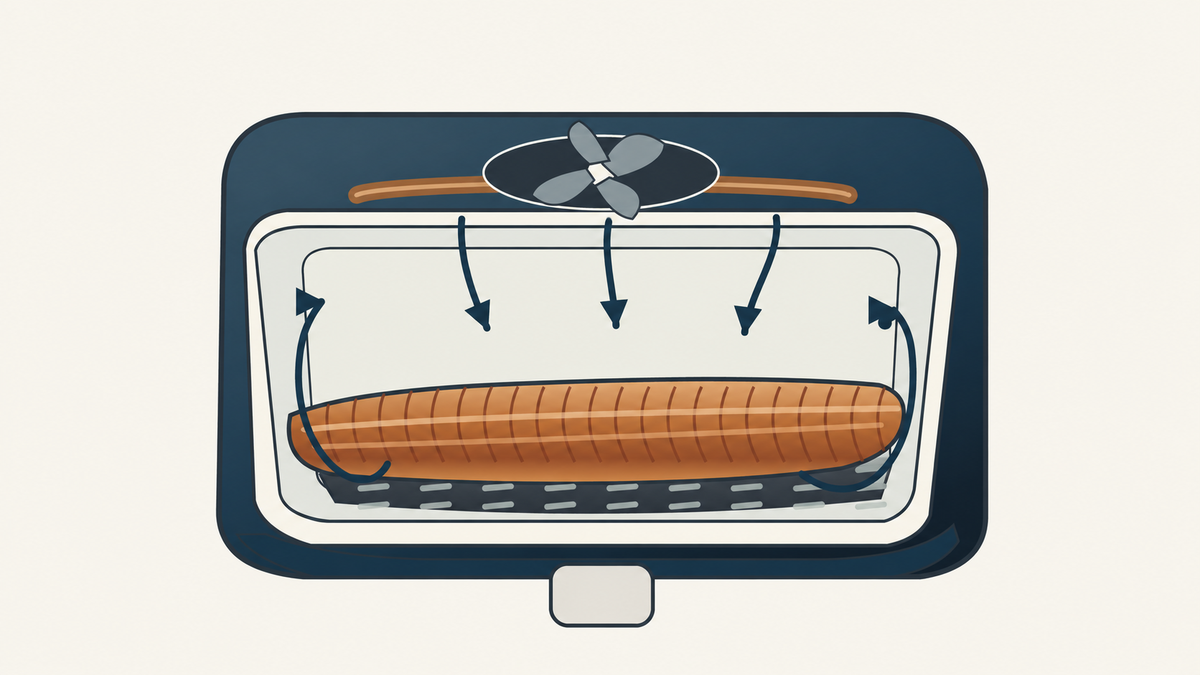
Diagram 01: The relationship between airflow and exposed surface. Arrows illustrate a concept, not measured temperatures or air volumes in a particular appliance.
Check whether the product is cooked or raw before reheating
Do not decide from the sauce colour or appearance alone. Read the package name, whether further cooking is required, storage instructions and preparation directions. Distinguish previously cooked kabayaki from raw or uncooked eel. Raw products need a proper cooking process; a quick reheating routine for cooked eel cannot replace it.
For example, Marine Foods describes microwaving its “Papatto Kantan Unagi Kabayaki” in a special pouch with a steam vent and explicitly tells shoppers to check their actual package. The Hamana Lake eel cooperative distinguishes boiling vacuum-packed eel in its pouch from methods that require removing the pouch before using a microwave or oven. Never assume the sealed pouch can enter an air fryer. Check expiry and storage conditions, and consider the Consumer Affairs Agency's advice on foods after opening. Marine Foods Hamana Lake Eel Cooperative Consumer Affairs Agency (Japan)
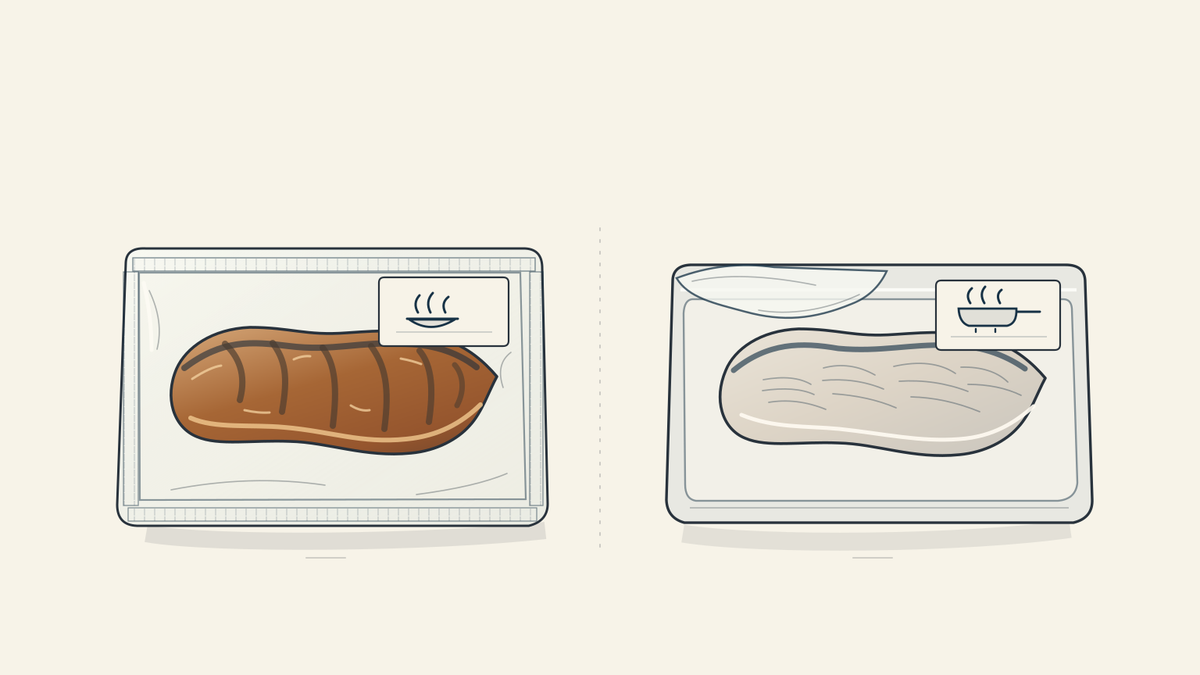
Diagram 02: Cooked and uncooked eel follow different preparation routes. The packaging symbols are illustrative, not copies of actual labels; always read the product you bought.
Leave gaps between pieces so hot air can pass
When fillets are piled up or overlap, moving air reaches their contact areas less readily. Philips advises laying meat and similar ingredients in one layer with space for air to circulate. Observe the capacity limits of your own model, and do not shake delicate eel aggressively simply to rearrange it.
Leaving gaps is not merely a way to heat everything faster. It aims to reduce uneven heating between exposed and covered surfaces. If a whole fillet does not fit, check whether that product can be cut into pieces rather than forcing it into the basket. Philips
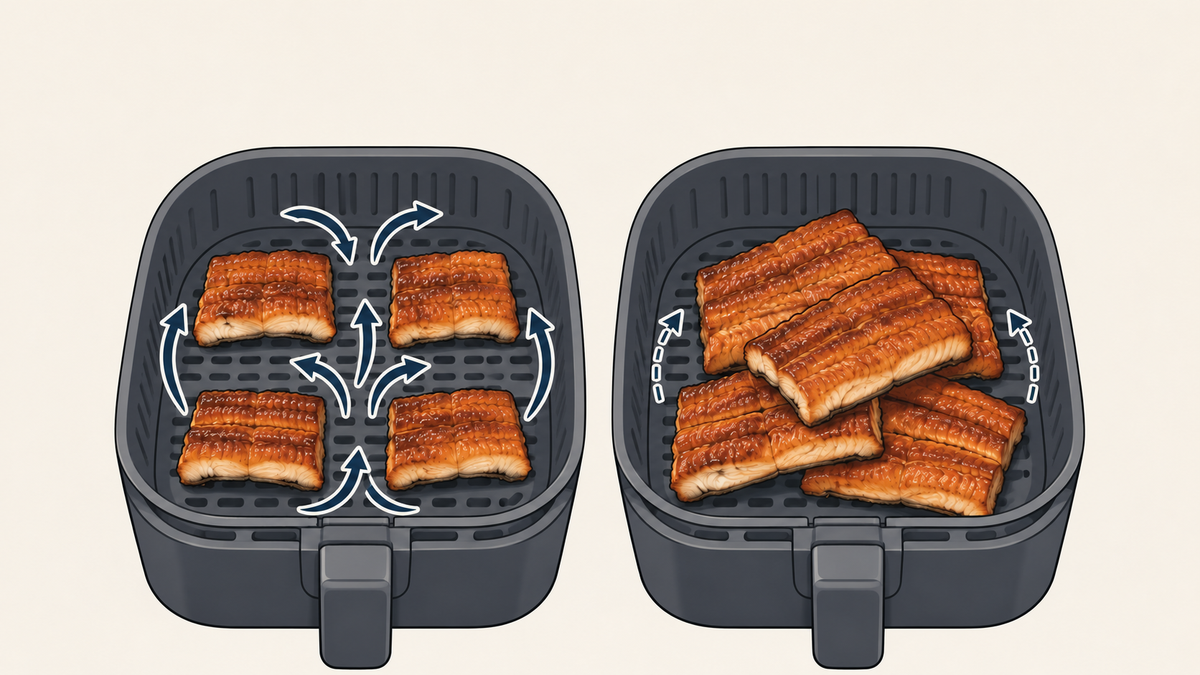
Diagram 03: Spaced pieces on the left and overlapping pieces on the right. Arrows schematically show open air paths, not the results of a comparative cooking test.
Use a light glaze rather than a pool of sauce
Exposing a heavily sauced fillet to circulating heat can deepen surface browning while excess sauce drips and collects below. This is a practical inference from a sugary sauce being exposed to heat, not the result of a measured test of a particular air-fryer recipe. Check the product directions before adding extra sauce during reheating.
If you want to keep the sauce's flavour, serving separately supplied sauce after heating may be preferable to pouring a large quantity into the basket. That, too, is not a universal product instruction. The Hamana Lake cooperative provides preparation-specific directions, while Kikkoman's umaki (eel omelette) recipe wraps eel in foil for an oven toaster. Do not transfer its foil guidance, temperature or timing to an air fryer. Hamana Lake Eel Cooperative Kikkoman
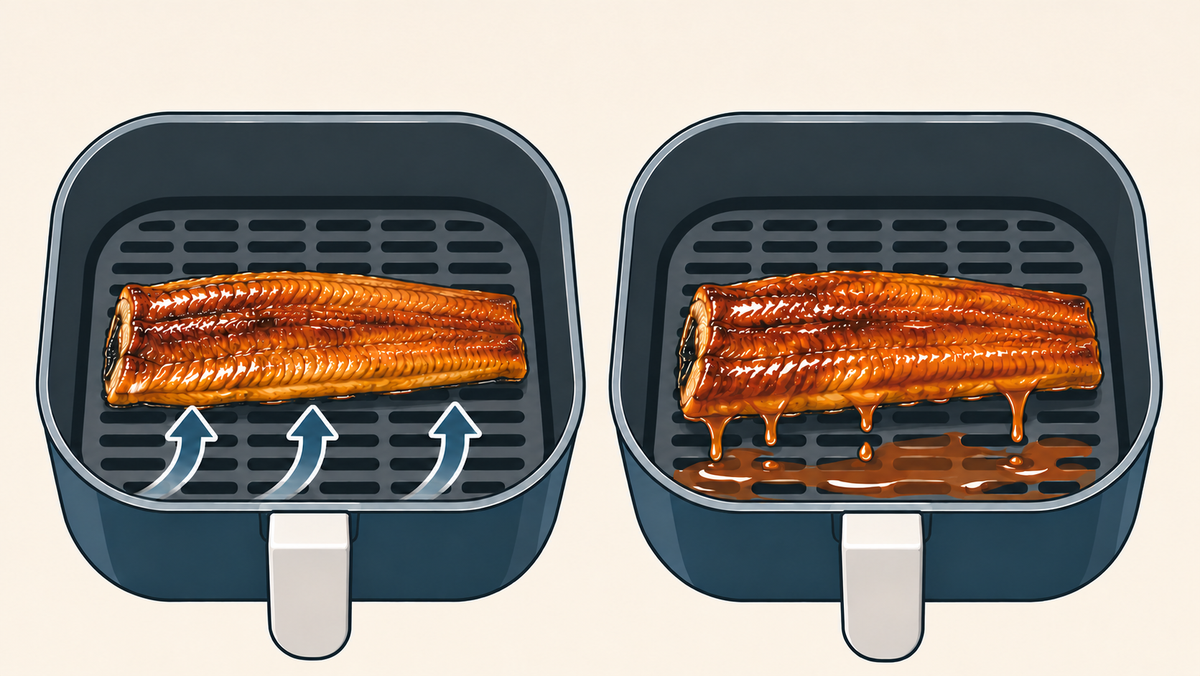
Diagram 04: A thin coating versus pooled sauce. The right side illustrates a situation to avoid; it does not establish tested conditions for scorching or fire.
Use liners or foil only if your particular model permits them
A perforated sheet is not automatically safe in every air fryer. Philips says it does not recommend baking paper or aluminium foil in its air fryers. Covering the basket bottom obstructs air circulation, and an unweighted sheet may be drawn toward the heating element and burn.
The illustrated perforated liner is therefore conditional on explicit permission in the appliance manual. If the manufacturer has not approved the material, heat rating, positioning and method of securing it, do not use it. Wanting to catch eel fat or sauce does not justify blocking every air opening on your own initiative. Philips
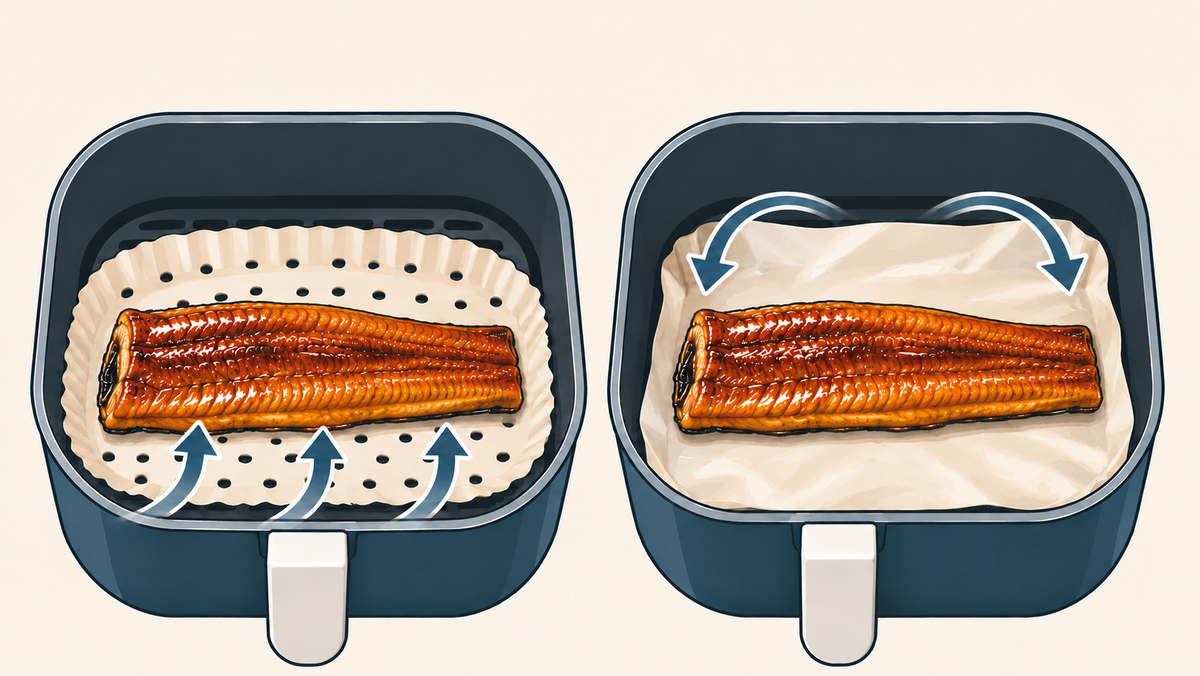
Diagram 05: The left arrangement is hypothetical and applies only where the manufacturer permits it; the right blocks airflow. This illustration certifies no liner or appliance.
Inspect the surface during reheating and continue only as needed
Following your appliance's instructions, open the basket safely and use tongs to examine the eel's surface, sauce darkening, drying edges. Avoid hot steam and hot components. If further heating is necessary, continue according to the product and appliance instructions. Colour by itself cannot verify the interior or food safety.
Japan's Ministry of Health, Labour and Welfare advises thorough reheating of leftovers and gives 75°C or above as a reference in its household food-safety guidance. This is a food-hygiene reference, not an air-fryer dial setting or a fixed cooking time for every fillet. If the outside browns before sufficient internal heating can be achieved, consider another suitable heating method. Japan MHLW
When an internal temperature check is needed, use a clean food thermometer in the thickest part. Discard food of uncertain storage history or safety without tasting it. USDA
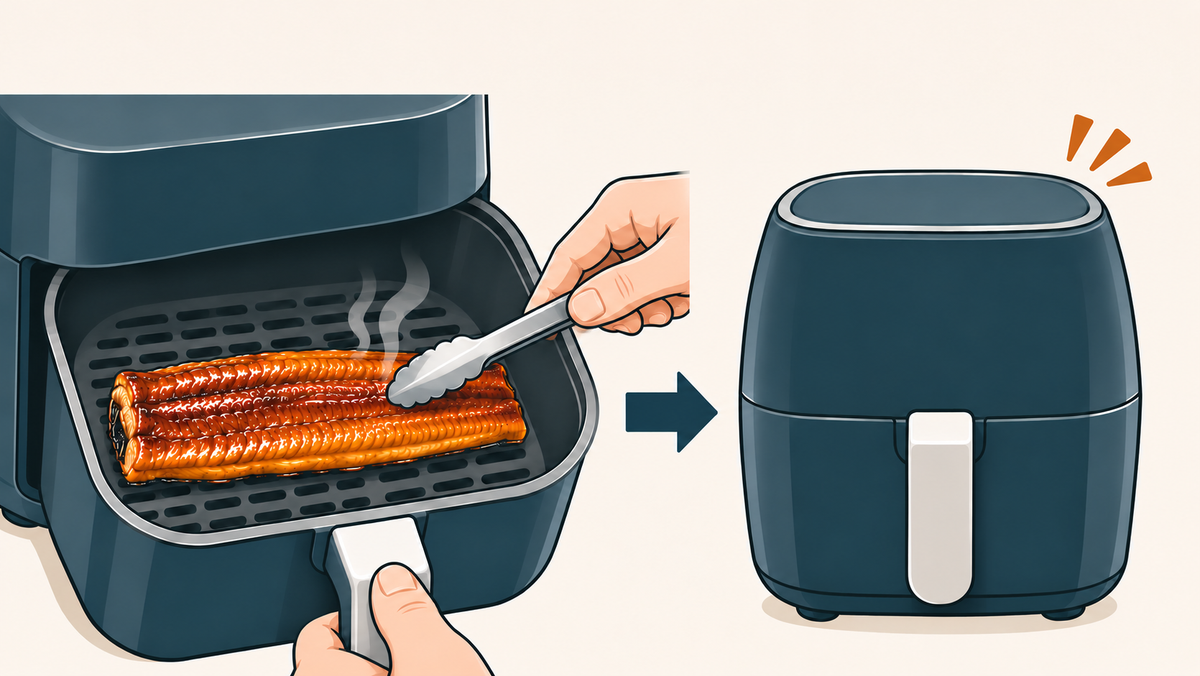
Diagram 06: Inspecting and continuing heat only when necessary. Neither surface colour nor steam alone establishes a safe centre temperature.
Plate the eel once heated, rather than repeatedly heating it
Once the eel has been heated sufficiently in accordance with its product directions and the appliance instructions, lift it out onto a clean plate. Repeated prolonged heating for extra browning can make the glaze darker and the flesh drier and firmer. Avoiding needless exposure is a texture consideration.
However, preventing underheating always comes first. This does not mean skipping required thawing, preparation or heating to serve sooner. Recipes such as Kikkoman's eel dishes specify steps for other appliances. When adapting a method to your air fryer, assess the instructions for both the eel product and your device. Kikkoman
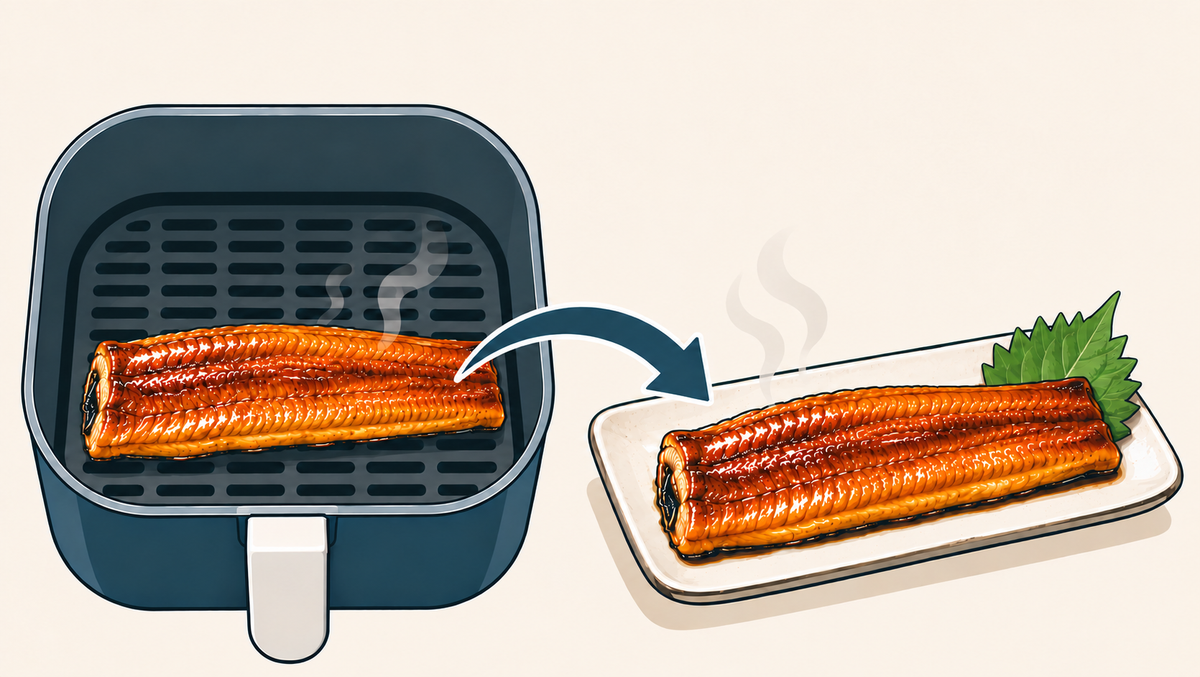
Diagram 07: Direct plating after the necessary heating. Appearance alone cannot certify doneness or a safe internal temperature.
The useful order for air-fryer reheating is check the label → arrange without overlap → manage sauce and liners → inspect during heating → serve. There is no universal time or temperature for every eel product and appliance. Keep food-safety requirements distinct from the texture choices that help reduce drying and scorching.
Official sources and limits of application
Philips: Philips product explanation of Rapid Air circulation; it does not provide eel-specific heating settings.
Marine Foods: Marine Foods' cooked kabayaki product page, including microwave and boiling instructions for its vented pack and its reminder to check the actual package.
Hamana Lake Eel Cooperative: Hamana Lake eel cooperative's reheating advice, distinguishing methods that use the vacuum pouch from those requiring its removal.
Consumer Affairs Agency (Japan): Consumer Affairs Agency guidance on date labels, which assume specified storage conditions and unopened packaging.
Philips: Philips support on capacity and single-layer arrangements; capacity varies by model.
Kikkoman: Kikkoman's original umaki recipe; foil-wrapped heating is specified for an oven toaster, not an air fryer.
Philips: Philips support about baking paper and foil, describing airflow obstruction and the hazard of paper contacting the heater.
Japan MHLW: Japan MHLW's household food-poisoning prevention guidance, including thorough reheating of leftovers and its food-hygiene reference.
Related articles